
Austin Cullen
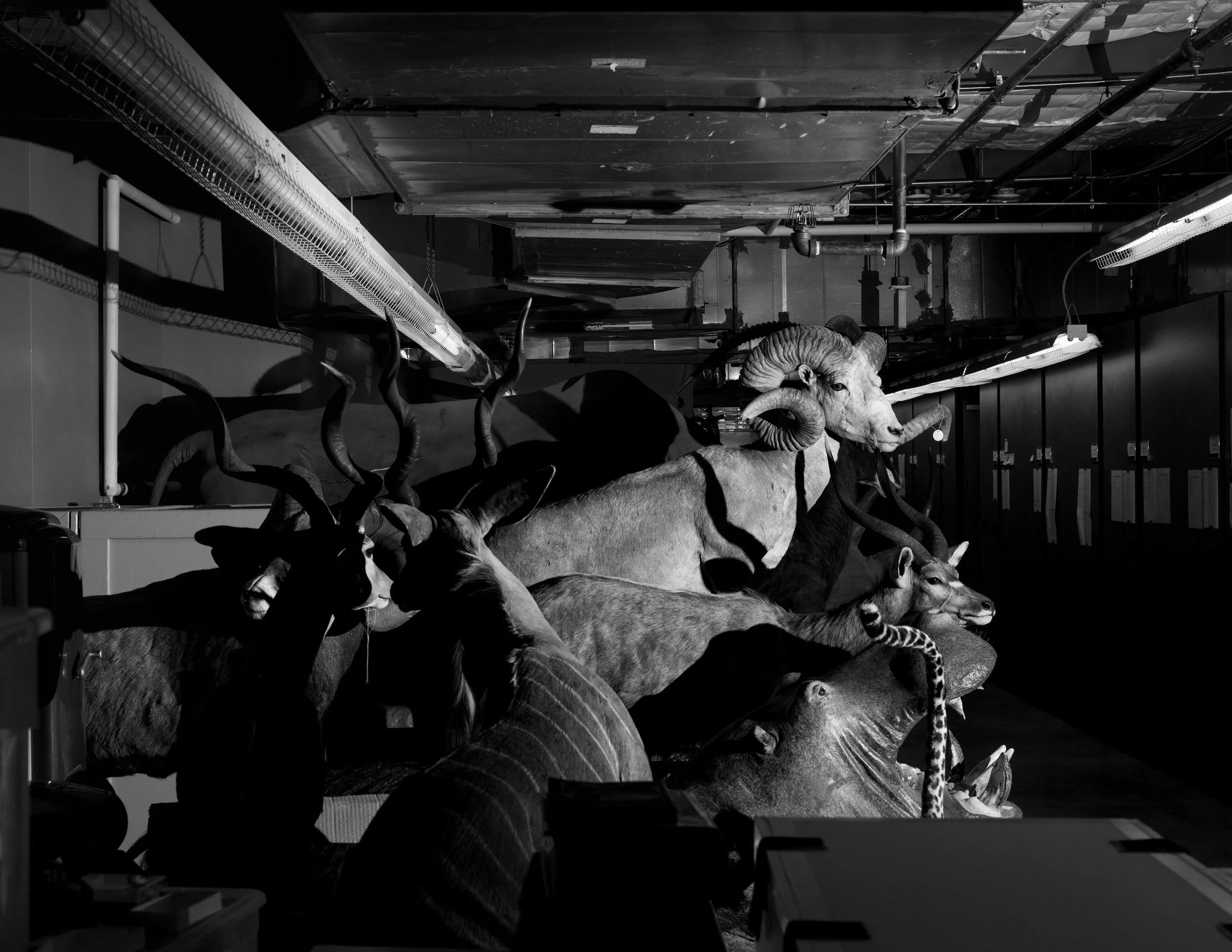
On the perceived truthfulness of photography
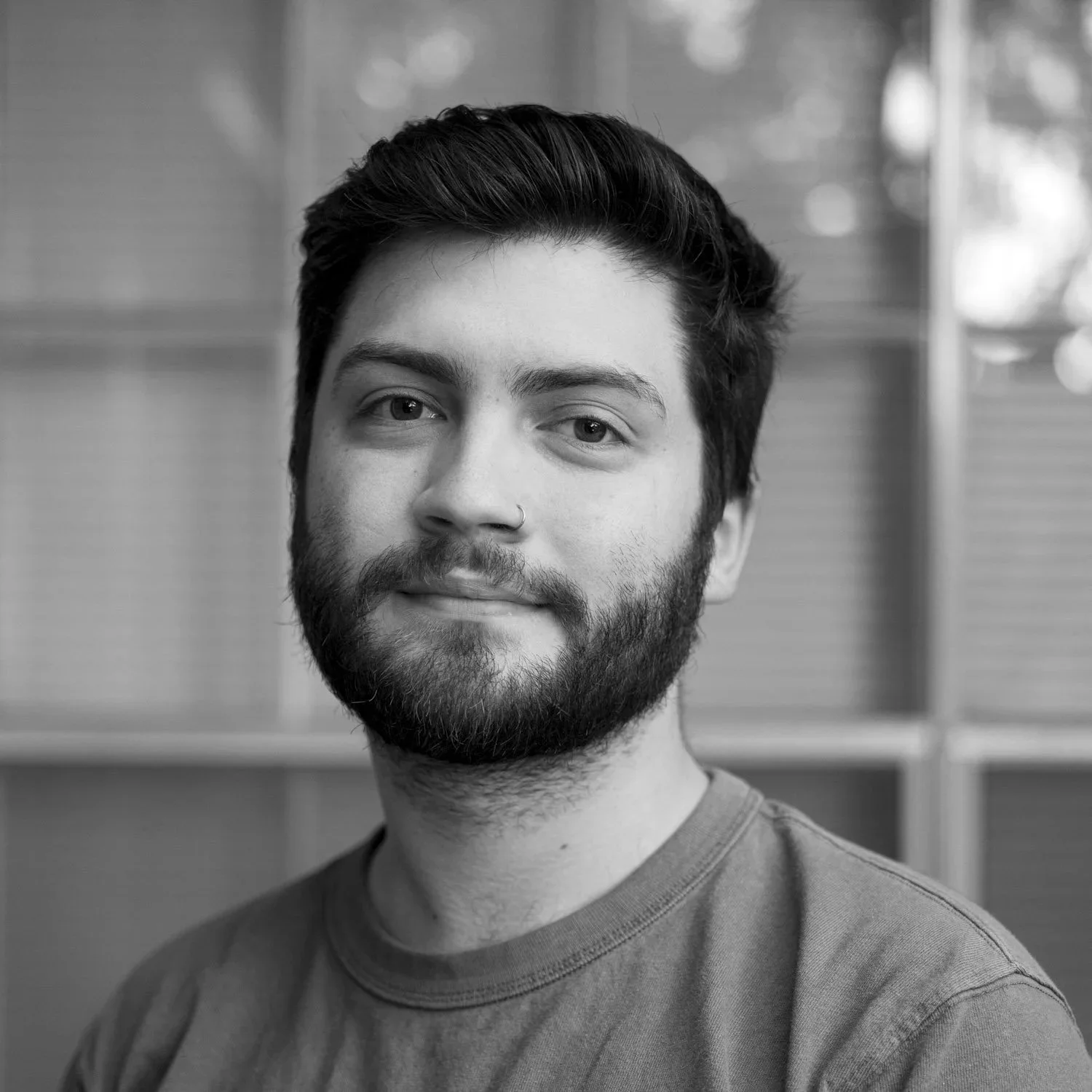
Austin Cullen is spotlighted in the New Voices series, which highlights emerging artists who showcase their art on ArtConnect.
Austin Cullen is a Houston based photographer and educator. He received his BFA from Stephen F. Austin State University in 2019, and his MFA from the University of Nebraska-Lincoln in 2022.
His current project explores museum natural displays and the natural world, and how they influence and affect one another. This project stems from his long-standing interest in natural history museums and the history of display. Austin grew up visiting natural history museums regularly, he's always been fascinated by the extravagant ways museums framed the American landscape. For this project he has worked closely with University of Nebraska-Lincoln Natural History Museum, Kansas University Natural History Museum, Hastings Museum, and several other notable Natural History Museums.
Curious to gain more insight into his artistic approach, we asked Austin a few questions about his practice.
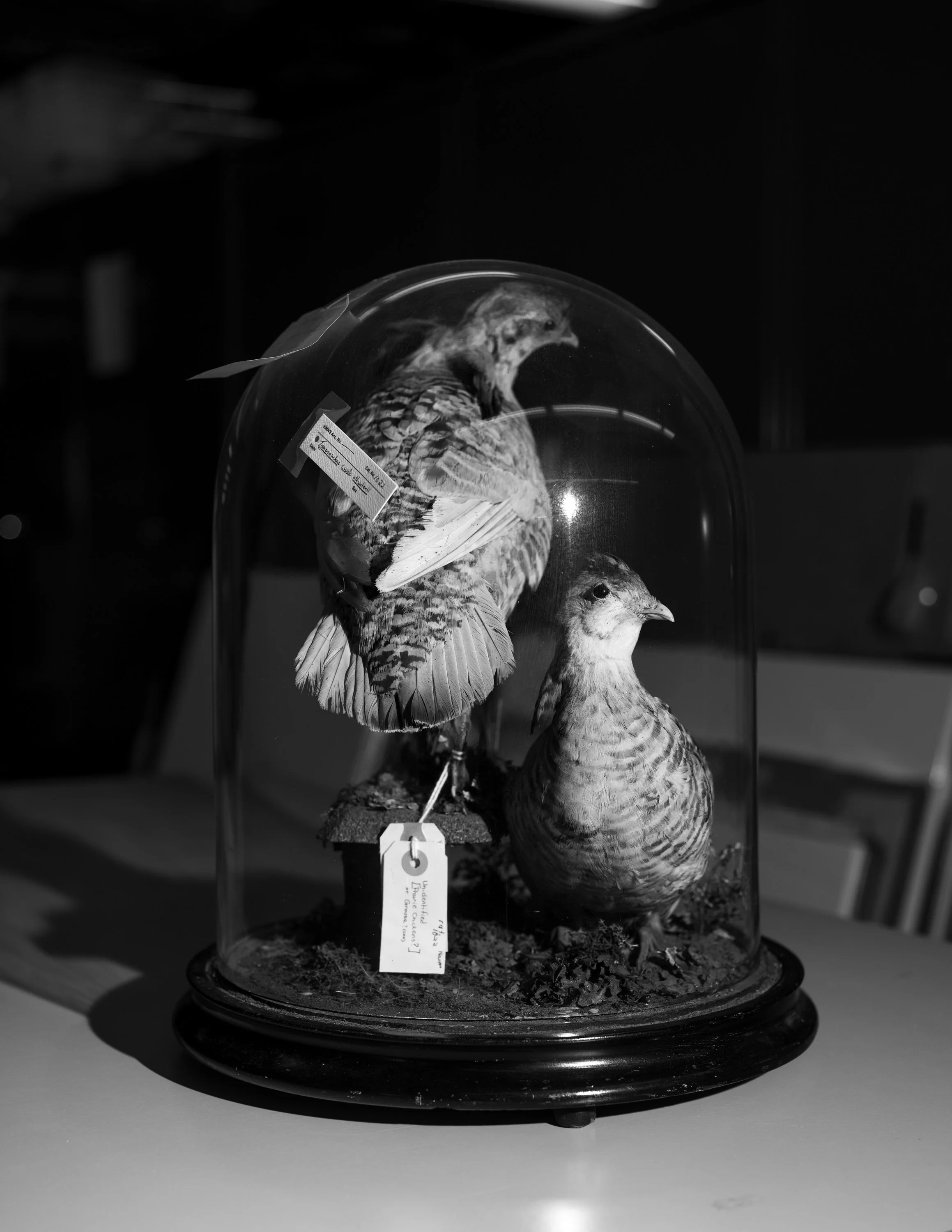
Domed, 2022
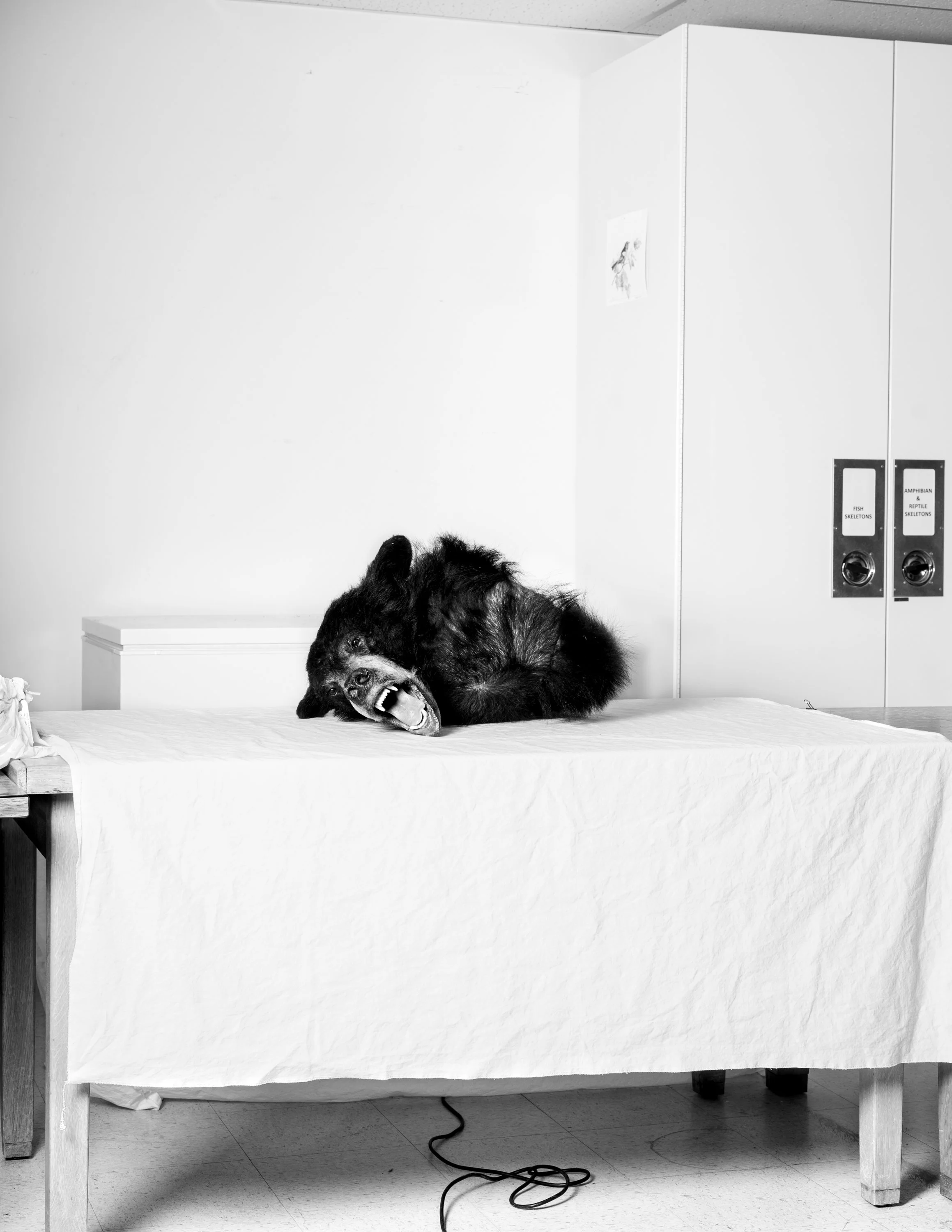
Black Bear, 2021
A longstanding interest in natural history museums informs a lot of your recent work. Do you remember your first encounter (or an early one) with one of these spaces?
My interest in museums comes from my childhood. When I was younger, my grandfather regularly took me to the museums in Houston including the Menil, MFAH, and the Houston Museum of Natural Science. The museum of natural science stood out to me, showing me a version of nature that was completely different from the city I grew up in. Instead of the urban bayou that I was used to, the museum depicted safaris, jungles, deep-sea life, and so much more. In the museum, nature did not feel like something we had lived in, but instead a distant spectacle. However, that childhood fascination didn't immediately translate into my photographic practice, and it wasn't until my graduate studies at UNL that the connection clicked. I was working on a separate project at the time that led me to photograph a variety of different subjects — one of which was museums. Slowly over the span of the project I found myself more interested in fully realized natural dioramas than the other subjects I had been working with.
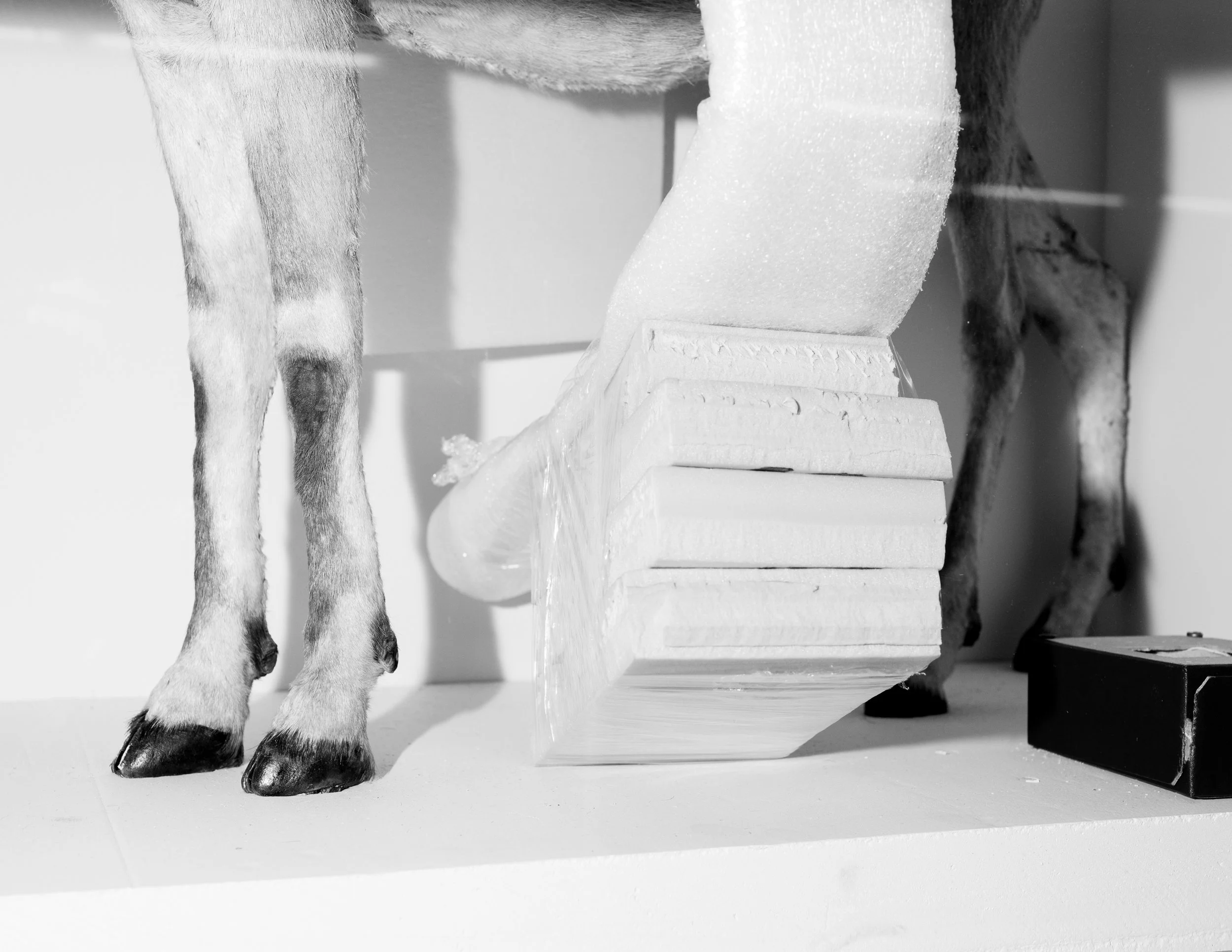
Shipment, 2022
A fascination with the history of display is also at the core of your current work. What are some key moments or contexts within this history that your work focuses on?
There are a few different moments I’m interested in, but I would say most of my work addresses early 19th century museum display practices. Historically, American museum displays have been heavily guided by Eurocentric biases and a colonial idea of the sublime — the idea that nature is something vast, wild, terrifying, and meant to be conquered or contained. Most early and mid 19th century dioramas and mounts that I photograph echo these traits.
While this is an outdated way of viewing the American landscape, it’s interesting to see how elements of this old way of seeing persists. The idea of the sublime itself can trace its roots back to early European curiosity cabinets wherein animals and other natural phenomena were displayed alongside cultural artifacts and mystical objects. Curiosity Cabinets are a subject I am interested in, as they laid the foundation for most contemporary collection and display practices.
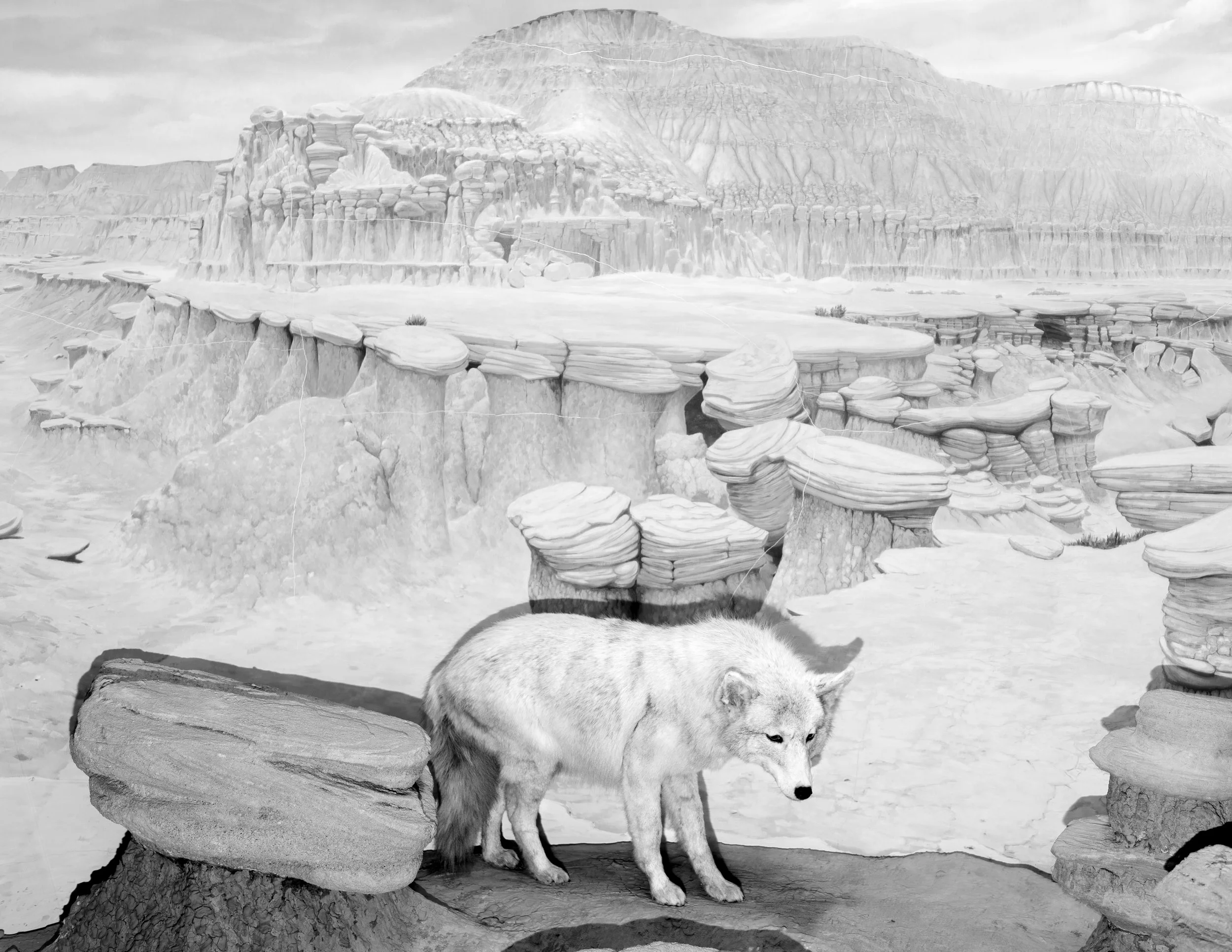
Coyote, 2021
Your project A Natural History (Built to be Seen) presents images created to subvert the viewer's ideas of what is and isn’t natural. How were these images constructed?
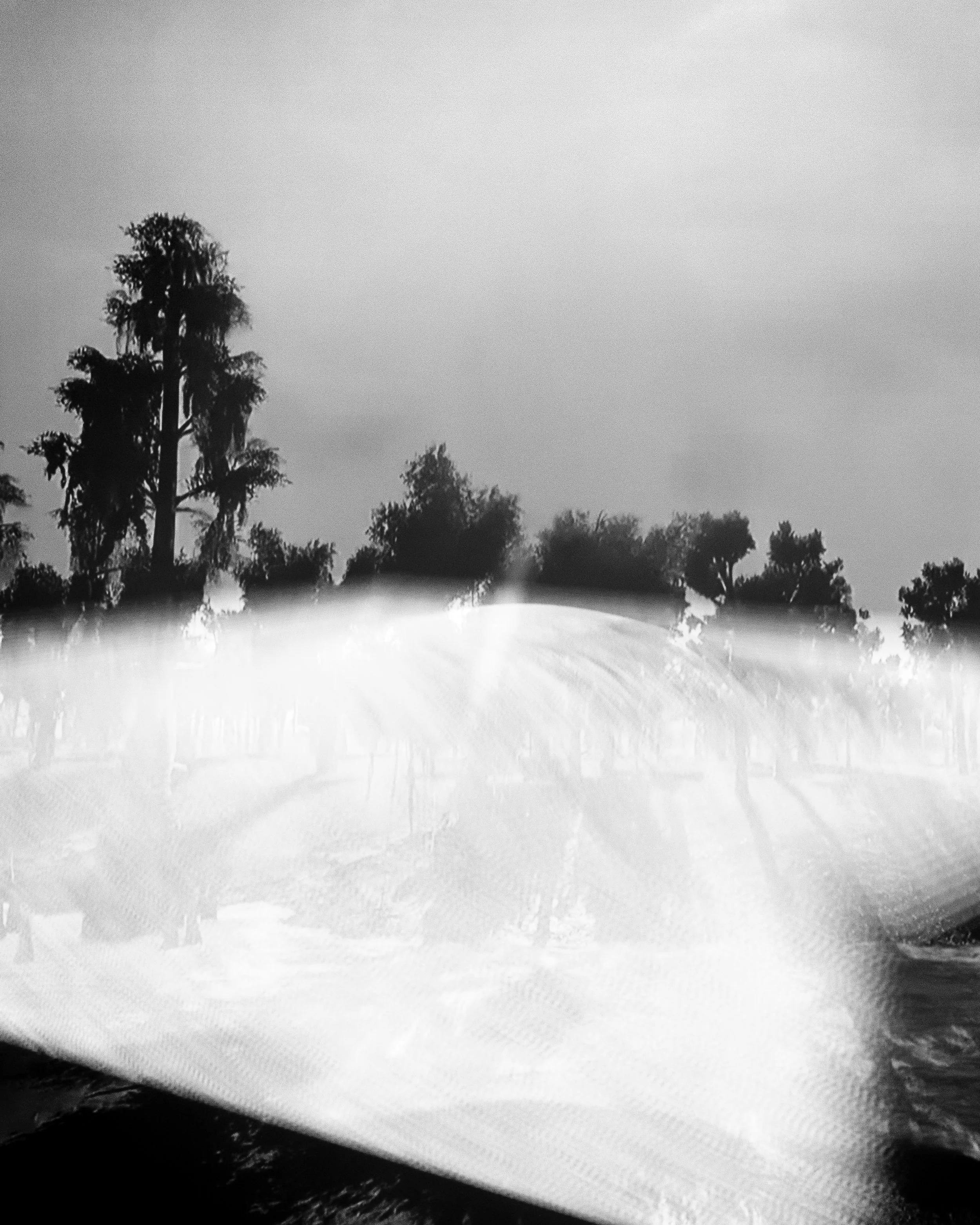
Most of my photographs are constructed by deliberately playing with the perceived truthfulness of photography. Conceptually, these photographs lean into the immersiveness of museum displays, but often include a visual disruption like a flash bouncing off a backdrop or a glare on the exhibit glass.
Structurally, the work relies entirely on the incredible access I was granted by the various institutions I work with. Collaborating closely with zoologists, lab managers, and fabricators at places like Morrill Hall, the Field Museum, and HMNS allowed me into their zoological collections, storage spaces, and fabrication labs. That behind-the-scenes access allowed for me to document the life cycle of natural exhibitions, from inception to storage, to show how museums both literally and metaphorically shape nature.
“Once a viewer loses their footing on what is natural versus what is artificial in the frame, they are forced to actively engage with the image rather than passively consuming it.”
The images feel at times a bit disorientating or puzzling. What do you hope emerges from this minor sense of confusion?
Photography is a fun medium for me because it is often seen as an assertively objective and truthful medium, but in reality it's completely ambiguous. Composition, perspective, lighting, intent, manipulation are all aspects of photography that are used to frame specific narratives. In my images, I play with the perceived truthfulness of photography by creating images that mostly lean into the illusion of nature presented by museums. Because of this, the image becomes hard to place — is it a simulation or the real thing?
Once a viewer loses their footing on what is natural versus what is artificial in the frame, they are forced to actively engage with the image rather than passively consuming it. That minor sense of confusion is the catalyst. It’s my intent that it leads the viewer to then start questioning their broader ideas of nature, as well as the authenticity of the other images and displays they interact with daily.
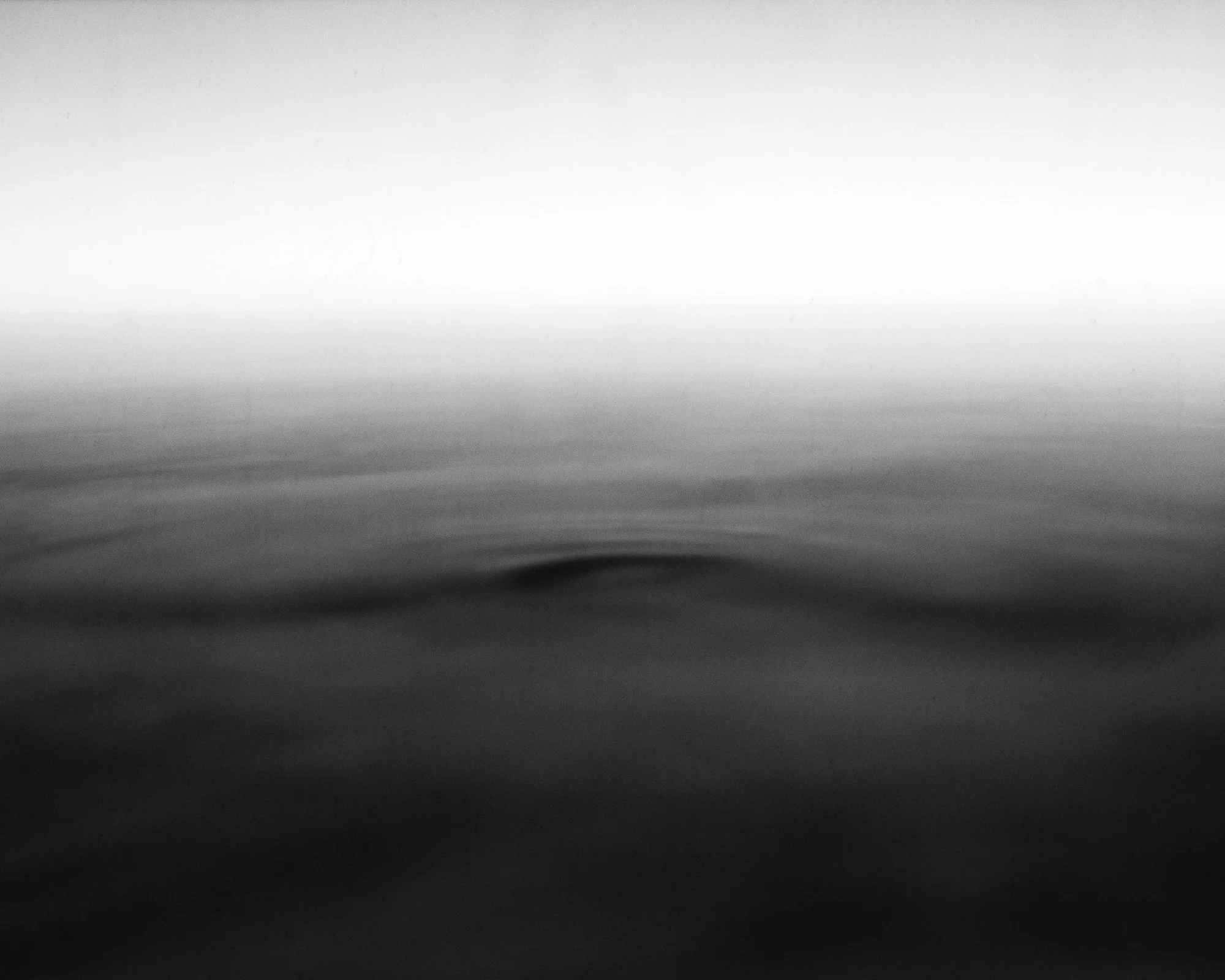
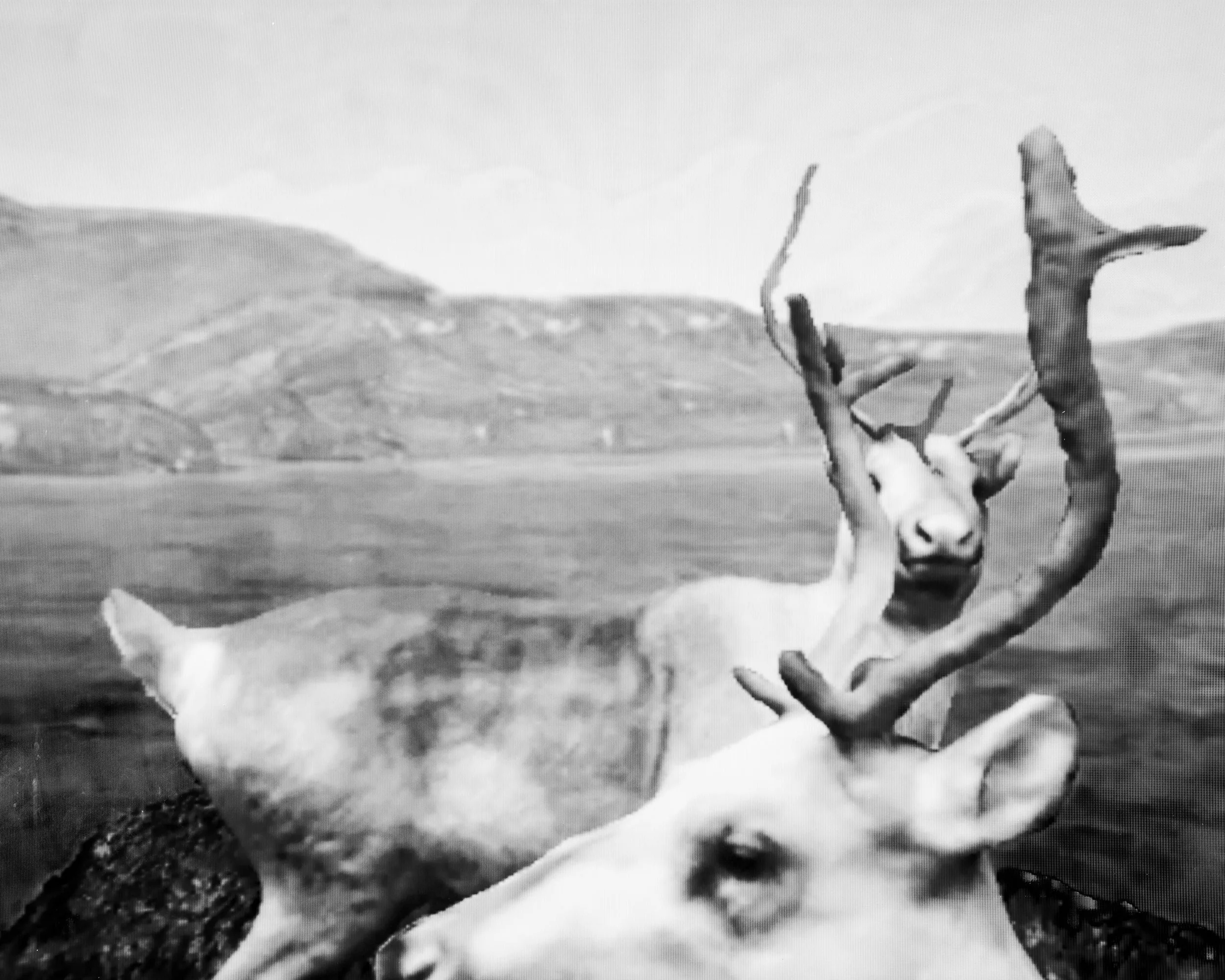
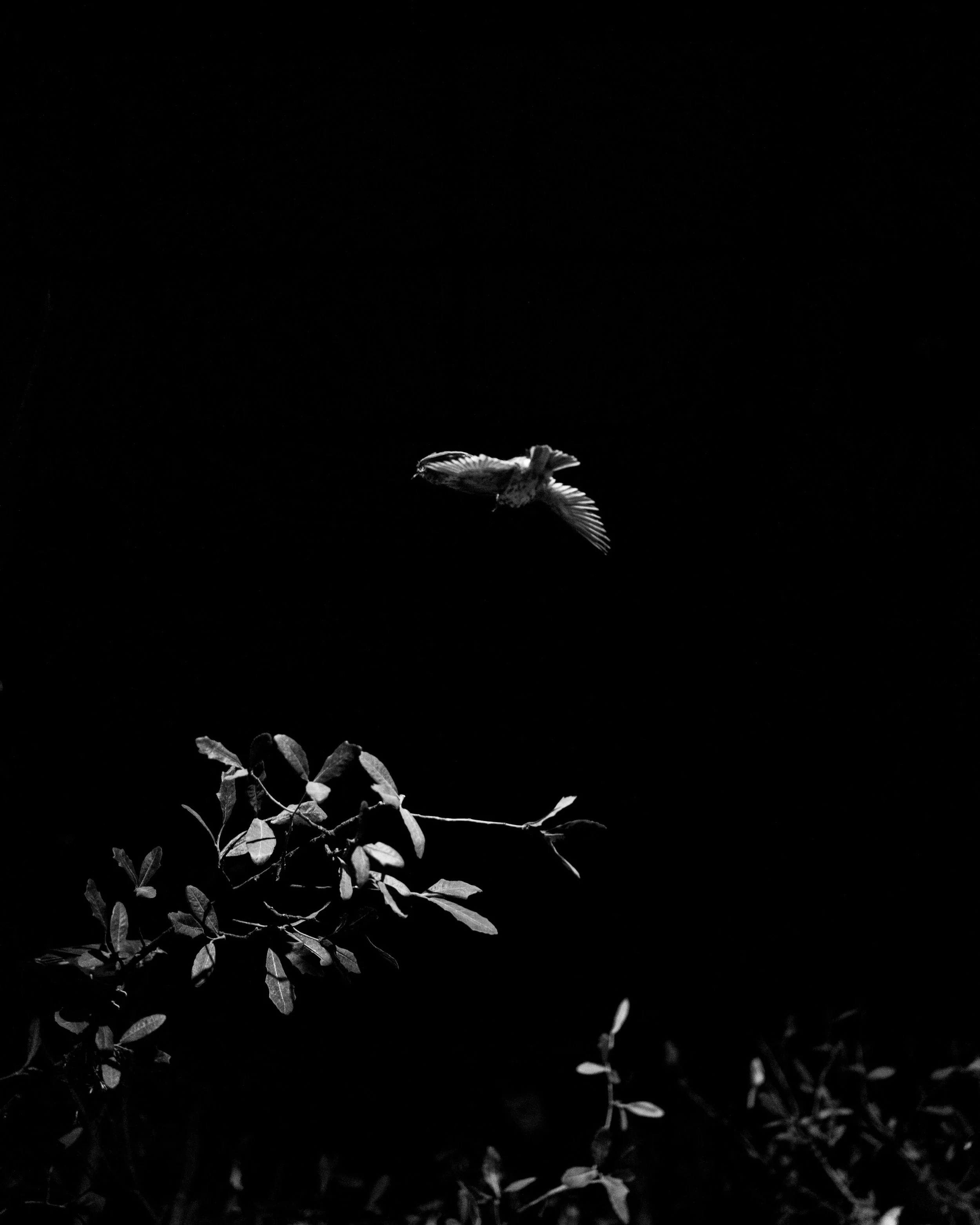
Ocean Rotation, 2024. Transition, 2023. Float, 2025. Untitled, 2023.
Your exhibition Dust Watching from 2024, brings into question technology and the role it plays in the display of the natural world. In what ways is technology present in the work itself?
I think of Dust Watching as a natural continuation of my previous work, so a lot of my image capturing processes remain the same, but with a slightly different focus. As contemporary exhibition design shifts away from physical artifacts toward complex projection mapping, gamified exhibits, and immersive digital experiences, the images in Dust Watching mirror this shift by becoming more transitory, stark, and digital themselves. Some images depict these new digital exhibits, while others feature fully digitized natural artifacts and environments. Qualities of digital imagery and construction such as modeling, noise, and distortion are often referenced or directly focused on in this work.
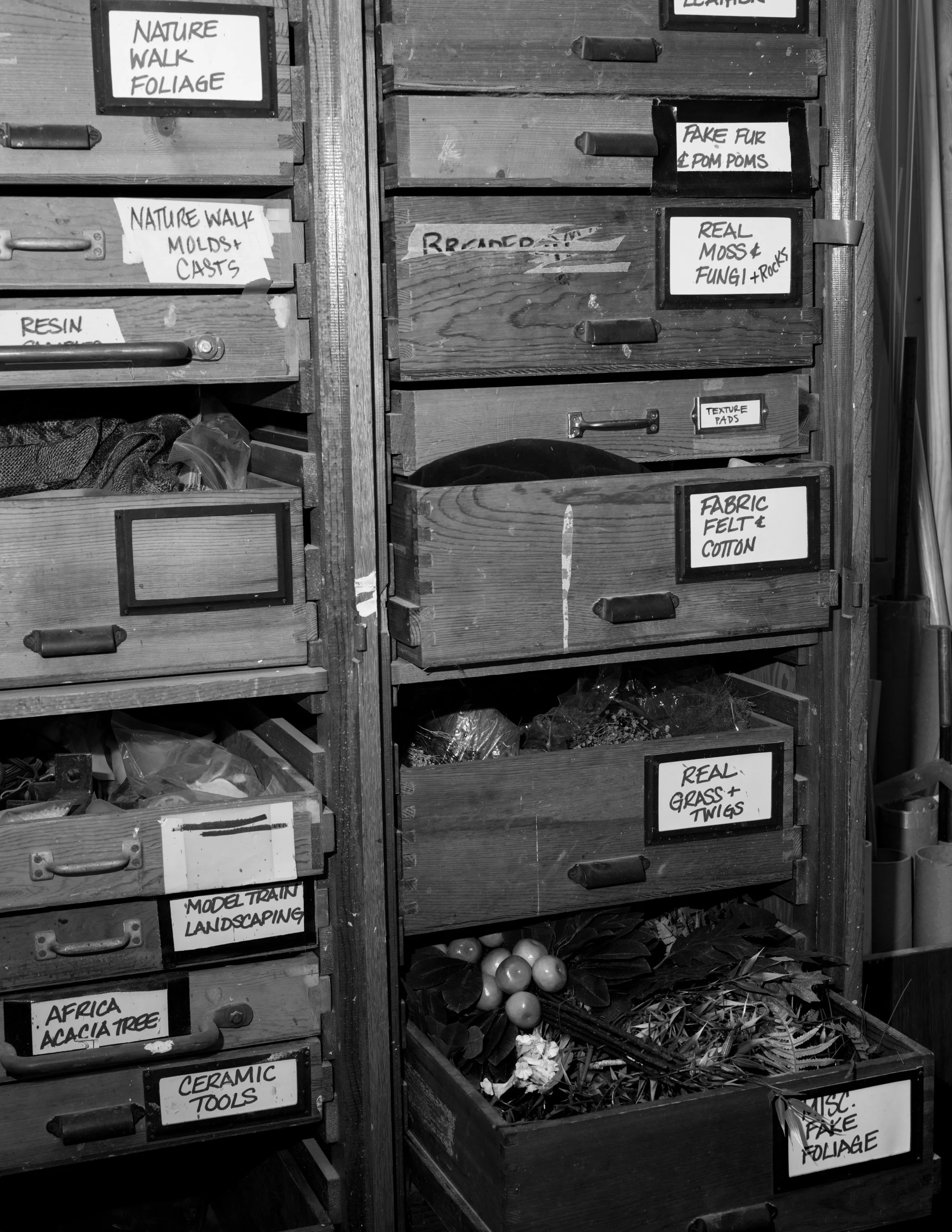
Fake Foliage, 2022
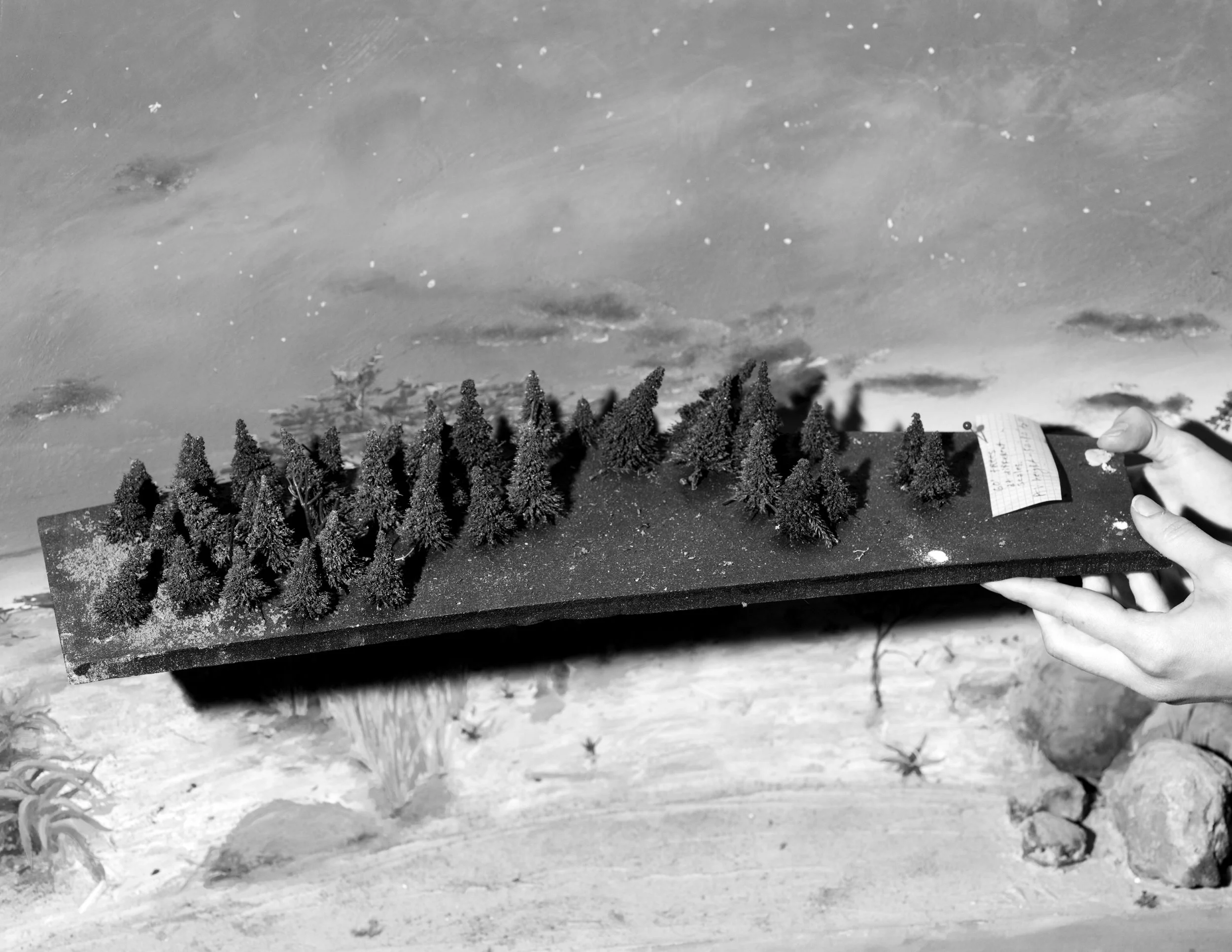
Testing, 2022
In the process of questioning the natural history museum as a medium for disseminating information, you also collaborate with such institutions, like Houston Museum of Natural Science, Chicago Field Museum, Hastings Museum, and many others. How have you found working with and within the systems you question?
It requires a delicate balance: maintaining a genuine respect for the professionals and their scientific archives, while still casting a critical eye on the biased collection and exhibition histories of the institutions themselves. I know museums can be better, and they are completely different than they were 100, 50, even 20 years ago. When I speak with my collaborators I tell them exactly what my intent is, and how with my project I am not looking to rail against museums — but instead to emphasize their influence and interrogate their complicated history.
For me collaboration evolved from a purely practical need for access into a core conceptual pillar of my practice. Working alongside scientists, lab managers, and fabricators — many of whom view their archives through a strict lens of preservation and utility — provided crucial insight into the reasoning behind display decisions. Most of my favorite images from my projects have been the results of a discussion conversation with my collaborators.
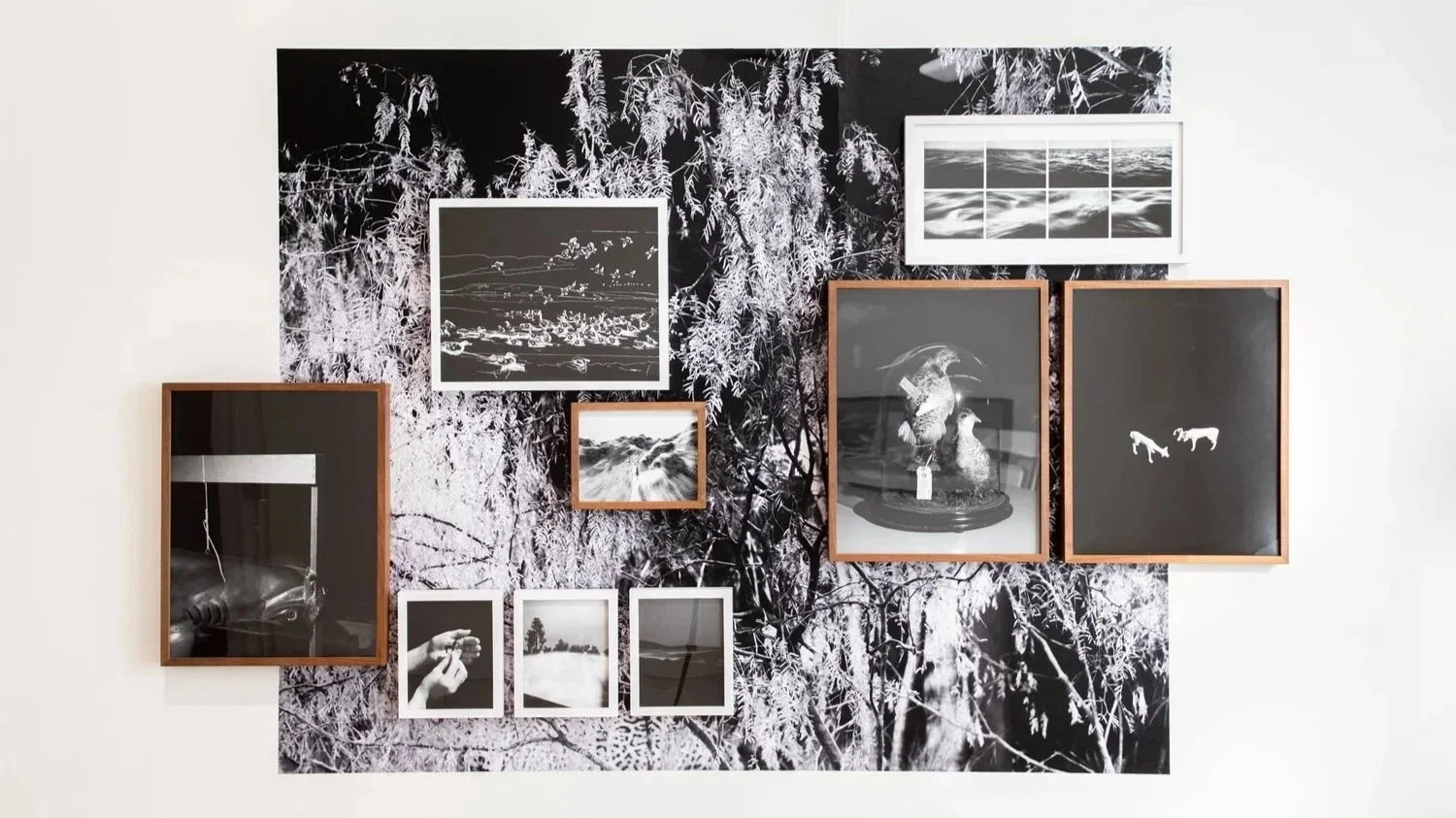
Dust Watching (Exhibition View), 2024
How do you approach display in the context of your own work?
I’ve approached the physical display of my own work in a variety of different ways to either echo museum displays or to directly challenge it. In my first exhibition of this work I matched the scale of my more illusionary images to their diorama counterparts to mimic the museum viewing experience and lean further into the simulation of the image.
In a recent exhibition I put on with my wife, Sarah Jentsch, we included accompanying texts and our own natural artifacts to reference curiosity cabinets. And when I exhibited my more recent project, Dust Watching, I’ve done extensive layering and grinding of my images to imitate the chaos found in digital spaces.
What are you working on at the moment? Is there anything exciting coming up?
Thank you for asking! One thing that I have always been interested in is building my own natural display. I’ve been building both full and fragment displays in my home studio. Prior to A Natural History (Built to be Seen) and Dust Watching, I worked with much more physical means of artmaking, so it’s nice to get back to that. While I would love to share one image here, they are still very much in-progress.
I have no exhibits coming up, and I am currently preparing for a two week residency in Totnes, England. While there I’ll be hosting a workshop on my darkroom printing practice, and hopefully make some serious progress on my new work!
Cover Image: Gather, 2022
See more of Austin Cullen’s work
New Voices highlights emerging artists who showcase their unique perspectives and innovative techniques on ArtConnect. Applications are accepted on a rolling basis. If you would like to be featured in a personal interview on ArtConnect Magazine, read through the open call and apply here.