
Valeria Solari
On bridging sensation, intuition, and computation
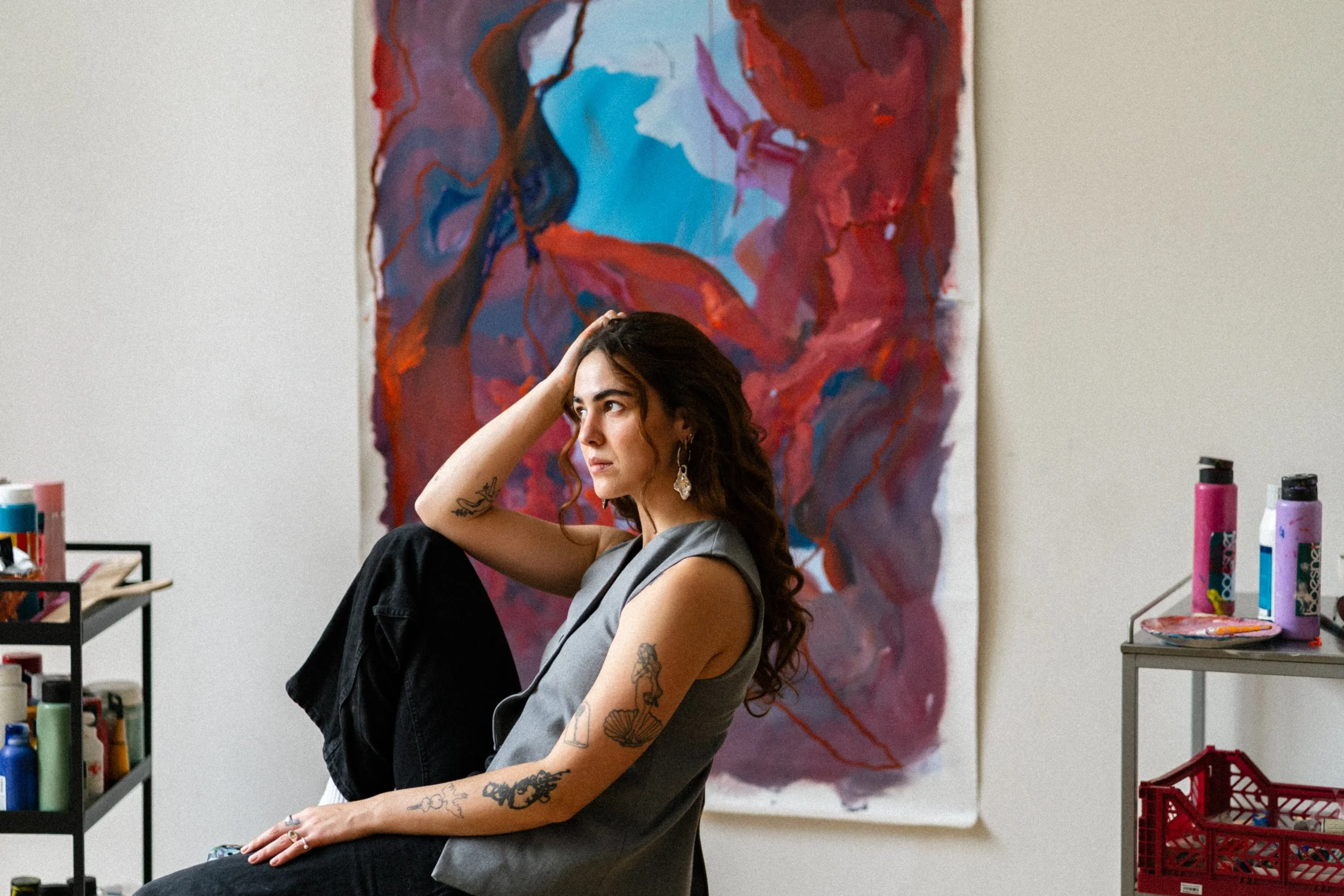
Image: Paula Gierhardt
Valeria Solari is spotlighted in the New Voices series, which highlights emerging artists who showcase their art on ArtConnect.
Berlin-based multidisciplinary artist Valeria Solari’s practice engages biomaterials, algae, microorganisms, and organic matter through experimental and DIY processes, developing eco-sustainable materials shaped by growth, transformation, and decay.
She approaches materials as active participants, exploring their capacity to respond, evolve, and interact with the body and environment. Her work draws from transdisciplinary research, with a focus on more-than-human perspectives and the agency of matter.
Solari investigates the interdependence of living systems, tracing porous boundaries between bodies and environments. Through collaborations with biological processes, she proposes ways of relating to the natural world that move beyond human-centered perspectives.
Curious to gain more insight into her artistic approach, we asked Valeria a few questions about her practice.
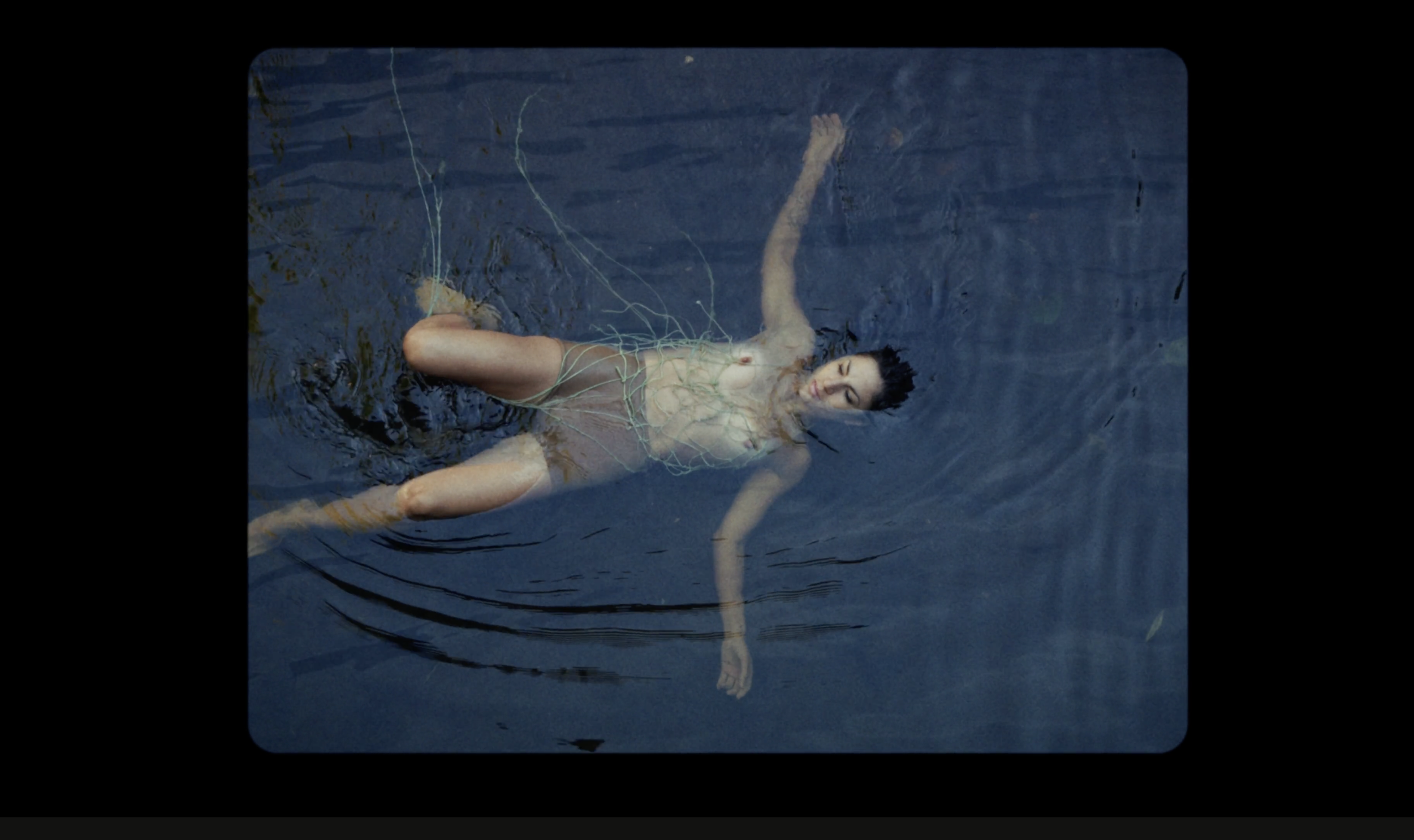
SEEYOUSEEME, 2026. Image: Juliane Flöting
How did your interest in working with algae, microorganisms and organic matter begin?
It began in 2020, when I was looking for organic materials to use as a base for drawing and painting. I wanted to experiment with new mediums that wouldn’t pollute and could degrade by choice. Before that, I had been working with recycled plastic in design projects, which led me to start researching bioplastics and other organic materials.
While making samples, I realized that humidity and temperature strongly affect the results, and that I was also creating conditions for microorganisms to grow. Later, I learned that some of these materials are used in laboratories to cultivate microorganisms. This raised a question for me: did I want to include these organisms in the work or not? I decided I was interested in observing what would happen.
At the beginning, I wasn’t fully aware that I was working with materials derived from marine algae. When I realized it, I developed a strong connection with algae-based biopolymers and began to research them more deeply. As I learned about the role of algae in ecosystems, my interest shifted toward understanding algae as an organism rather than a material. I started to think of it as a collaborator. At the same time, I began to feel a growing empathy toward the agents interacting within my studio. This marked a shift in my practice, one that I am still trying to understand.
This connection became stronger during a residency in 2023 in Valparaíso, Chile. Seeing algae in their natural environment, the coast, which is also part of my childhood landscape, changed how I relate to them. I reconnected with familiar images, like dried Cochayuyo (Chilean macroalgae) on the beach, which had always been part of my visual memory. At that moment, I understood more clearly the materials I work with were once living organisms, and they still carry traces of life.
“I’m drawn to the moment where colour begins to shift from sensation to information, where something felt becomes structured and almost computational.”
Iraflor, 2024, 150x200 cm, acrylic on canvas.
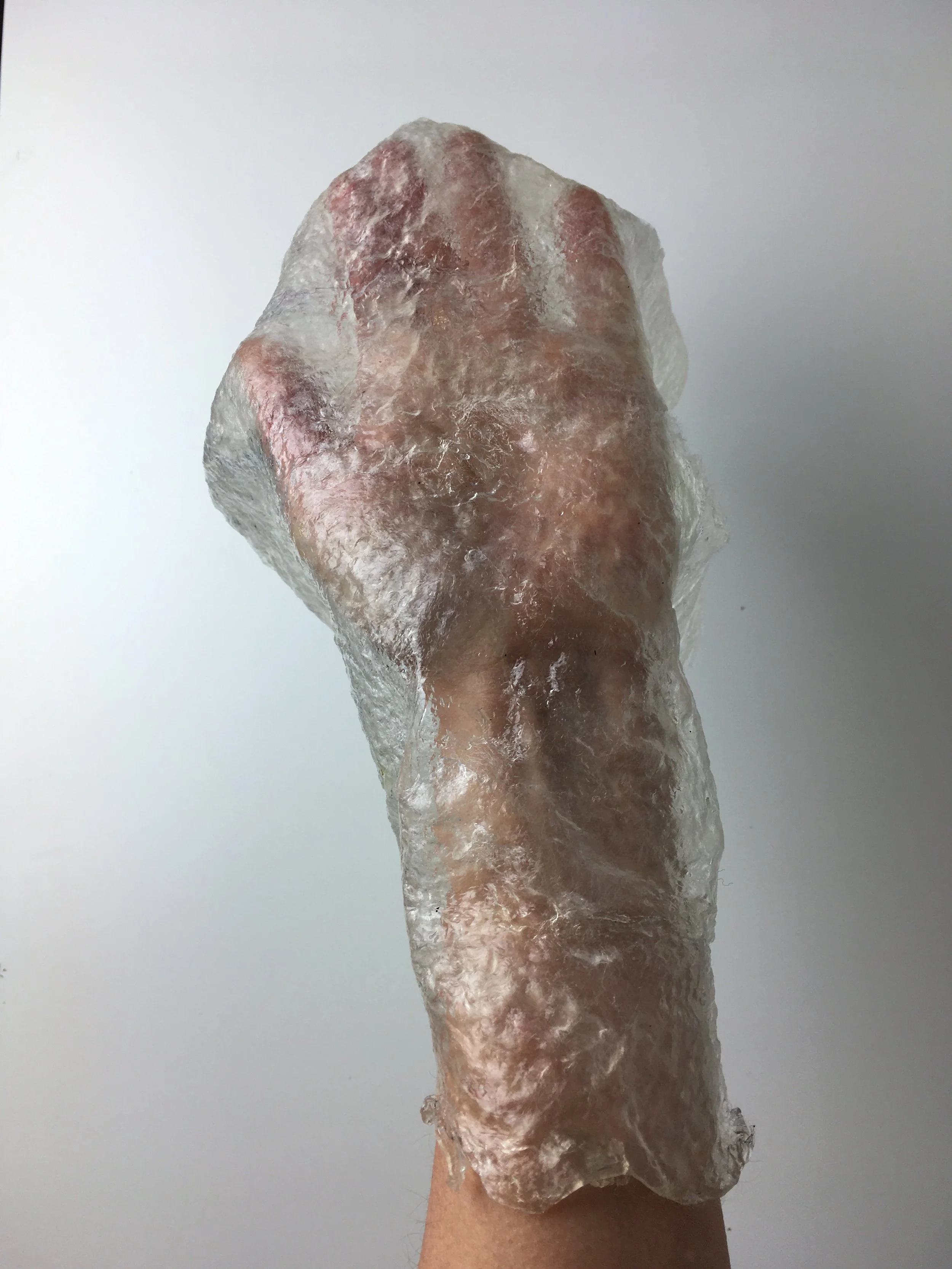
Process Detail. Image: Paula Gierhardt
DIY processes are central to your practice, particularly in the development of new materials. How do these processes evolve and shift over time as you continue to work with them?
Constant testing is very important when I want to validate an idea. I feel it is very similar to what is done in a laboratory, and there are many errors along the way. Some projects have not been able to move forward as the material did not allow it, or have taken other directions, since through testing I have discovered new materialities.
Everything is experimental, because after many frustrations I realized the material I work with has agency, it is not inert, but reacts to the environment. So there is no specific way in which these processes evolve; it depends on many factors.
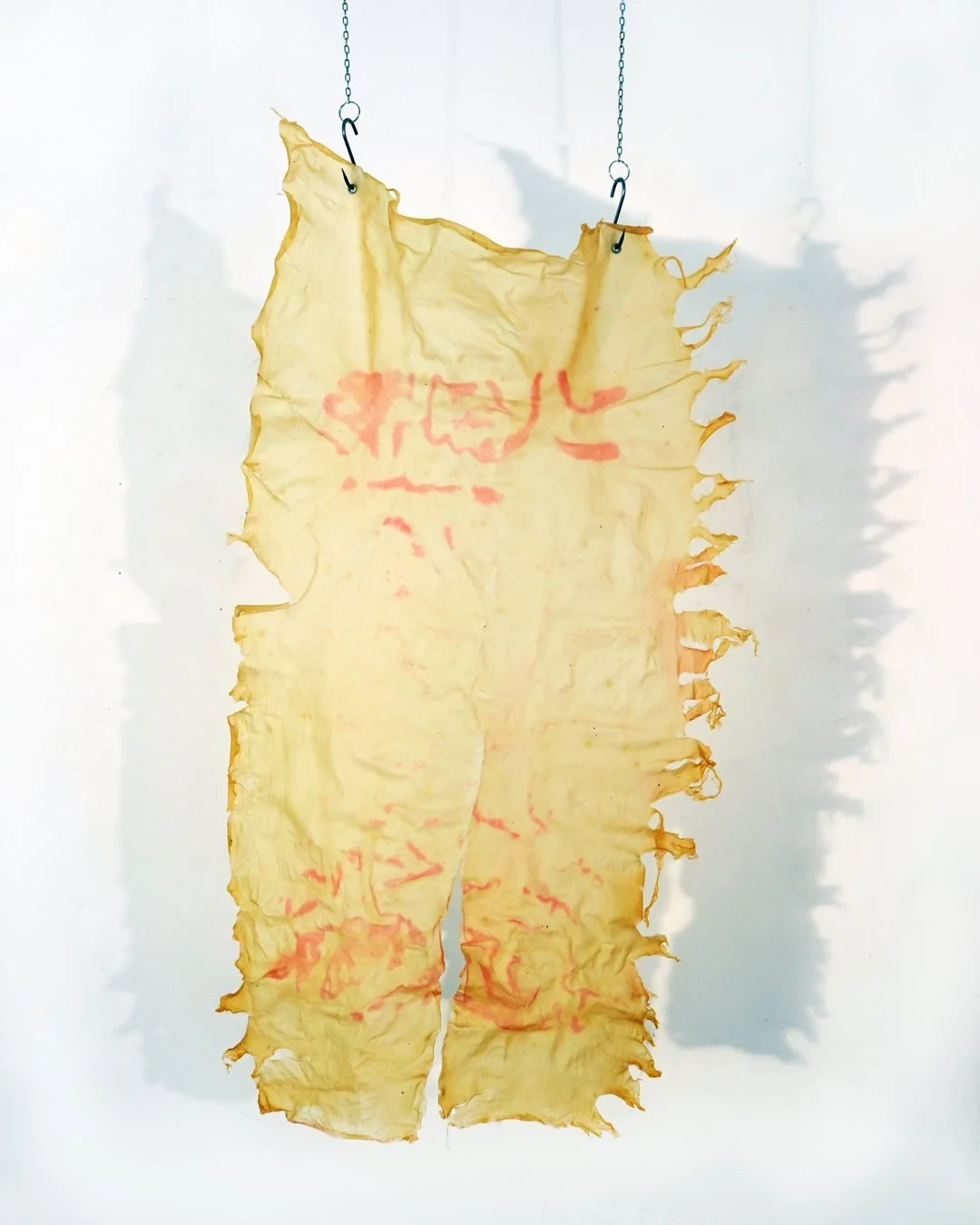
However, there is a recurring outcome among some materials as they dry: they shrink or become more rigid. At that point, they can either complete their process and be exhibited, or they can become part of another work. I try to reuse the materials I have created in these experiments, transforming their physiology through other processes.
Working with these materials, where processes are dynamic and visible, leads me to reflect on my own transformation, and of what surrounds me.
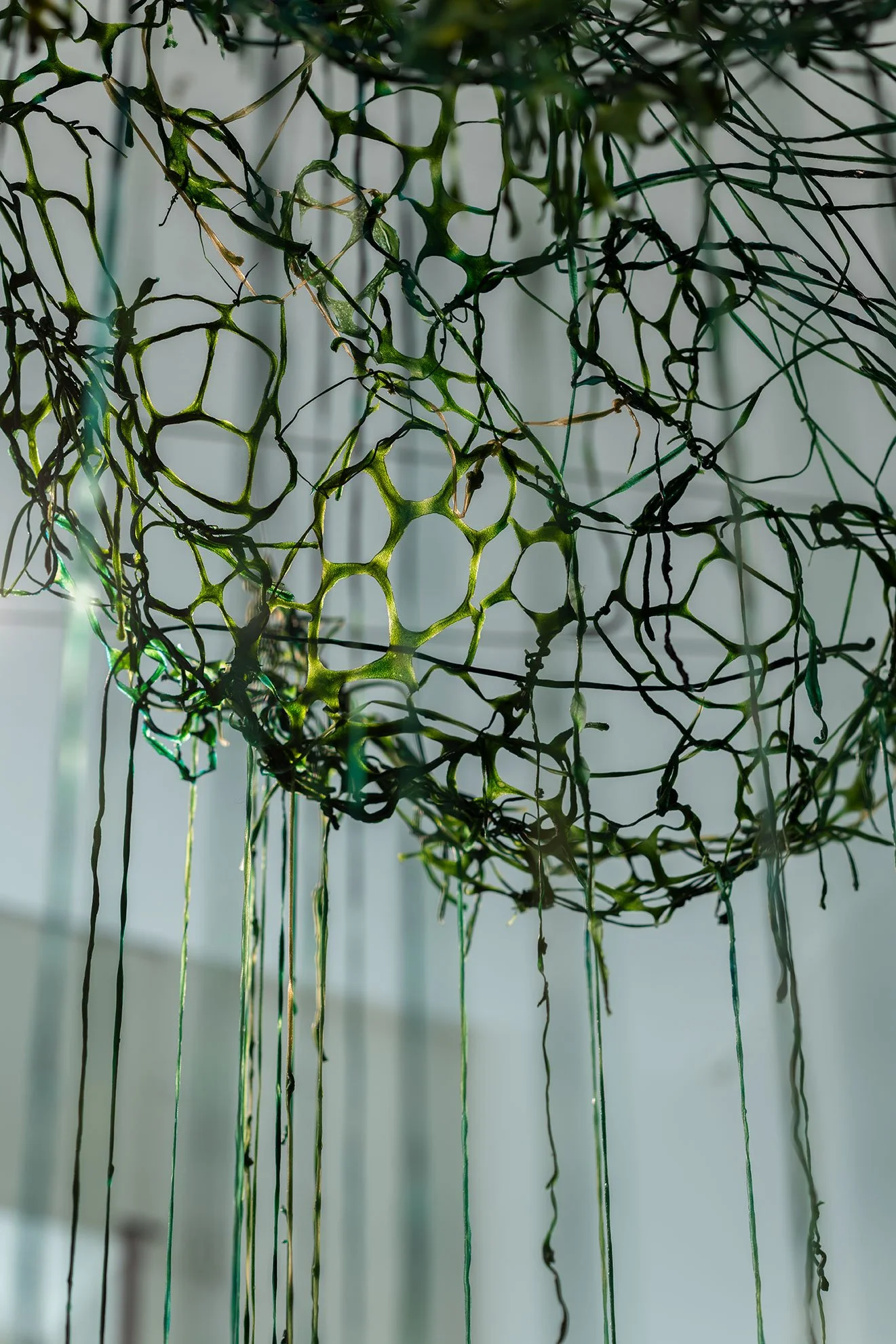
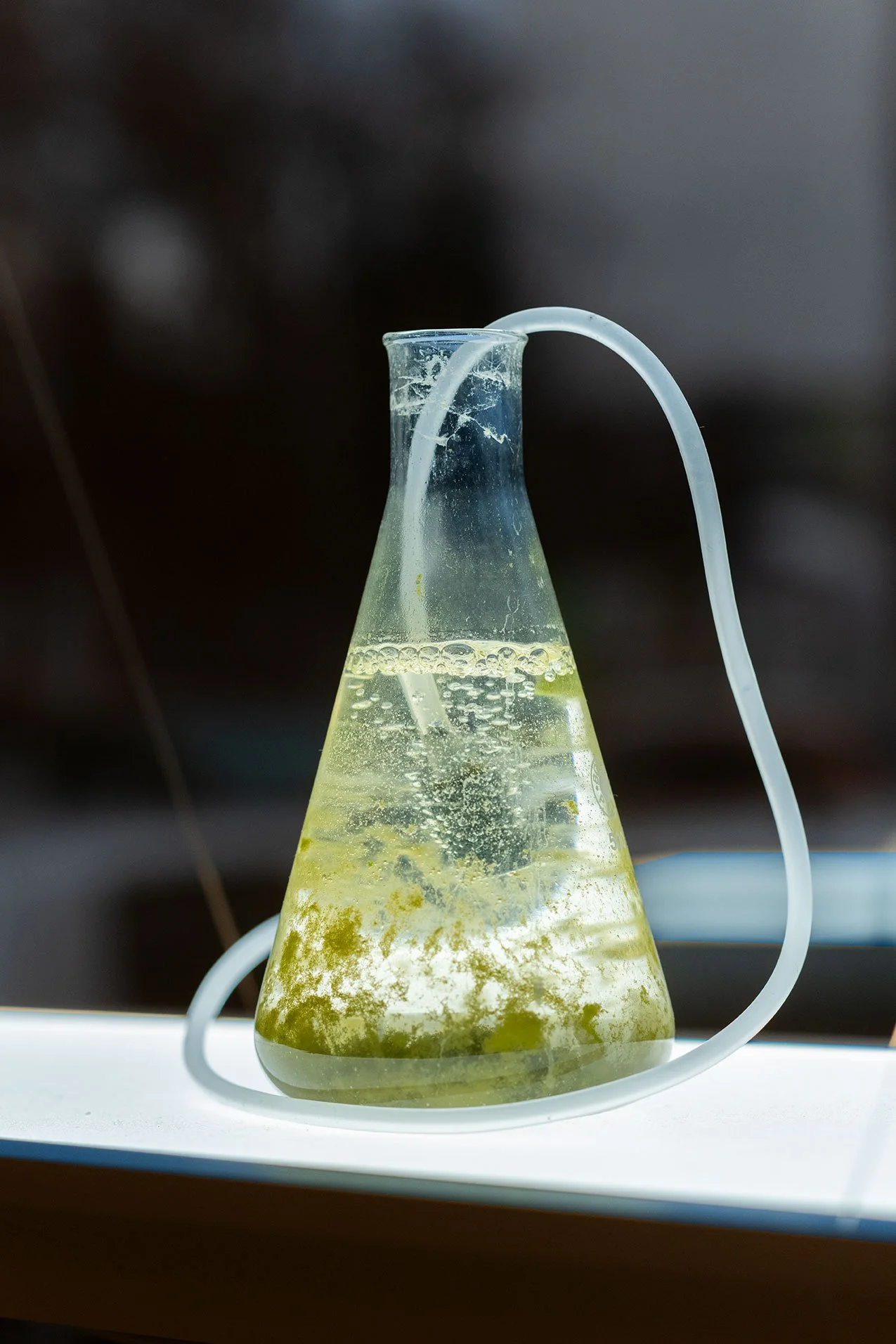
Algae Bloom (2024) presented a study of microalgae species discovered in the Berlin river. What did you learn about the Spree through this research? How did these findings shape the final work?
This work began when I was invited to participate in a group exhibition about water called Wasserarchive: Archivos del Agua, at Bardo projekt Raum, Curated by Alejandra Atalah, in 2024. The curatorial approach of the exhibition that proposes water as a net that articulates relations that goes more than the visible, allowed me to expand my exploration of Berlin’s bodies of water, as shortly before that I had recorded the video Ocean Veil in the Panke River.
For Algae Bloom I set out to investigate the algae and other organisms I could find there. I collected water samples and brought them to my studio to observe them with a basic microscope. Despite its low resolution, it revealed an immense number of microorganisms moving in different directions, all among long threads of green microalgae that intertwined and formed floating microstructures.
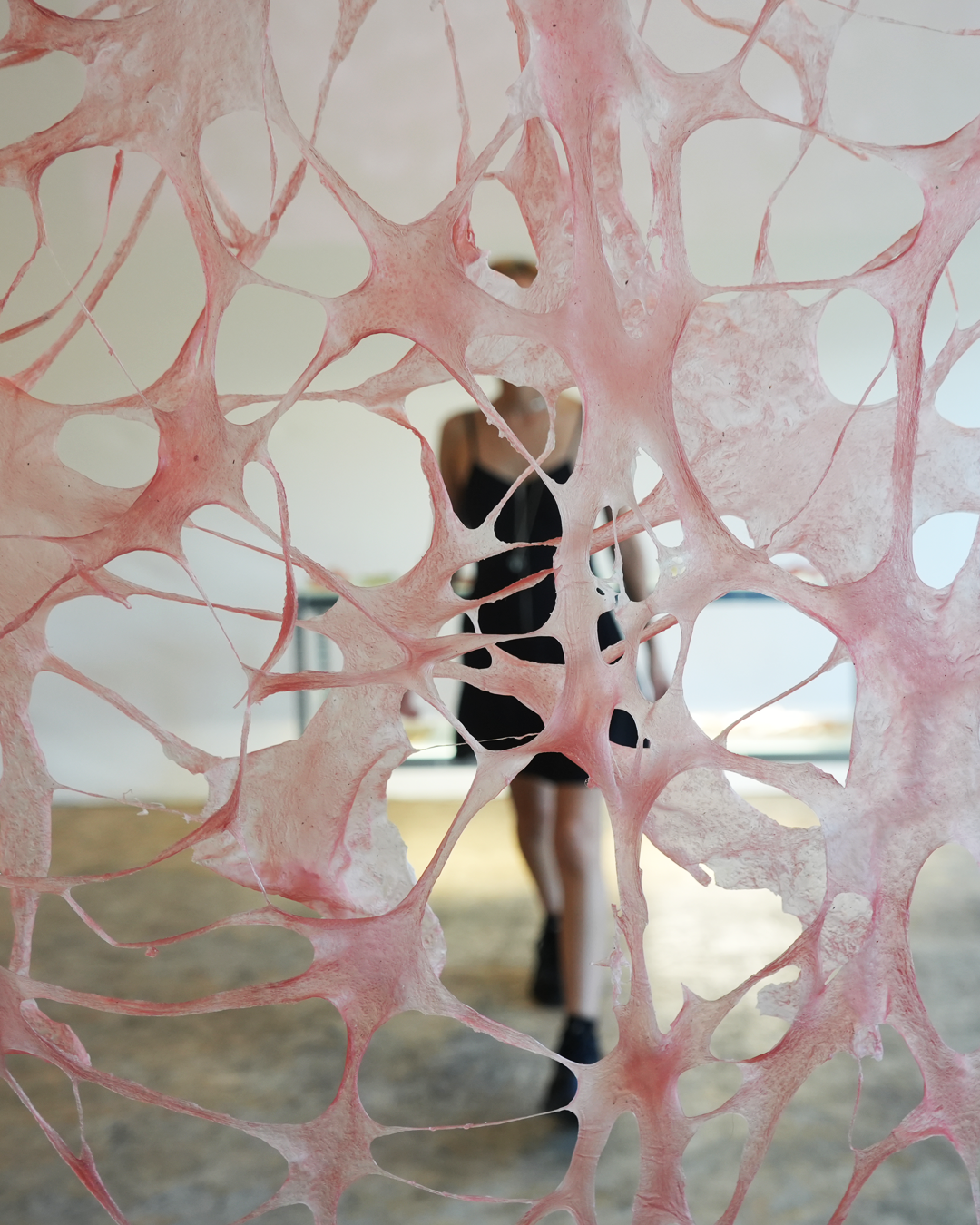
Amazed to see all this vibrant life in just a drop of water, I decided to take these structures as a reference and develop the central work as an irregular weave. There was no predefined order in the pattern, but through its connections, a structure emerged that was suspended from the ceiling, which could be walked through and inhabited.
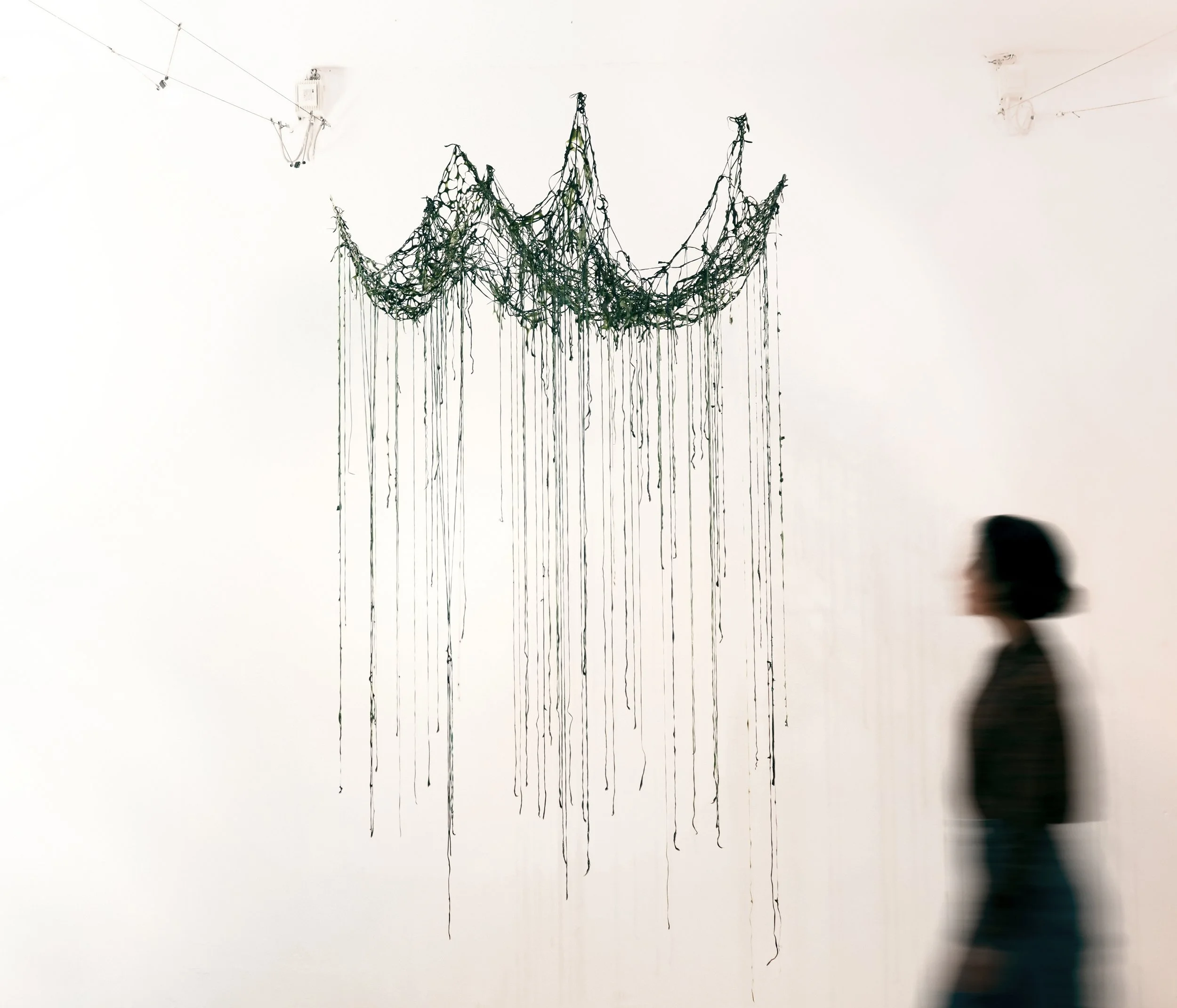
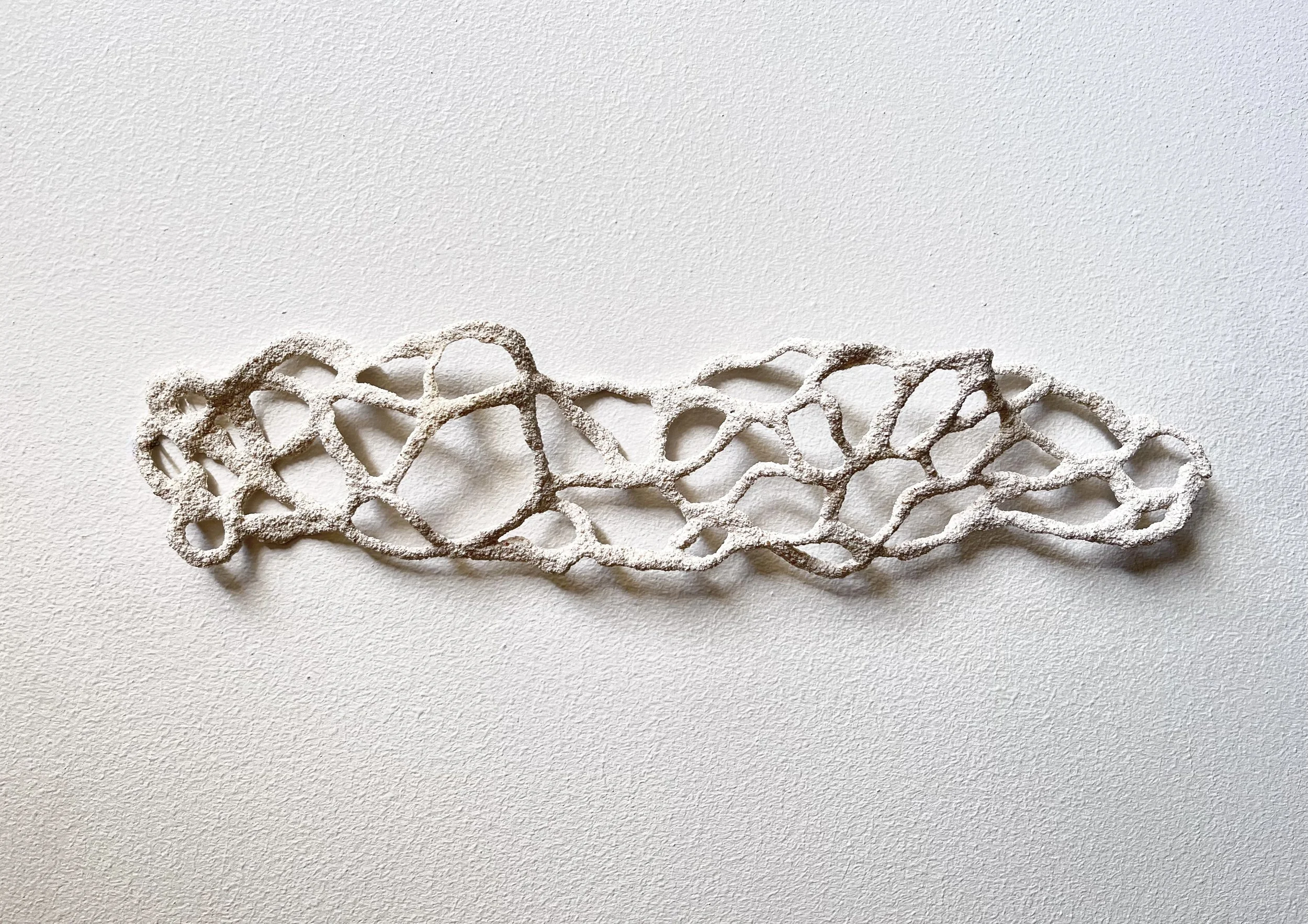
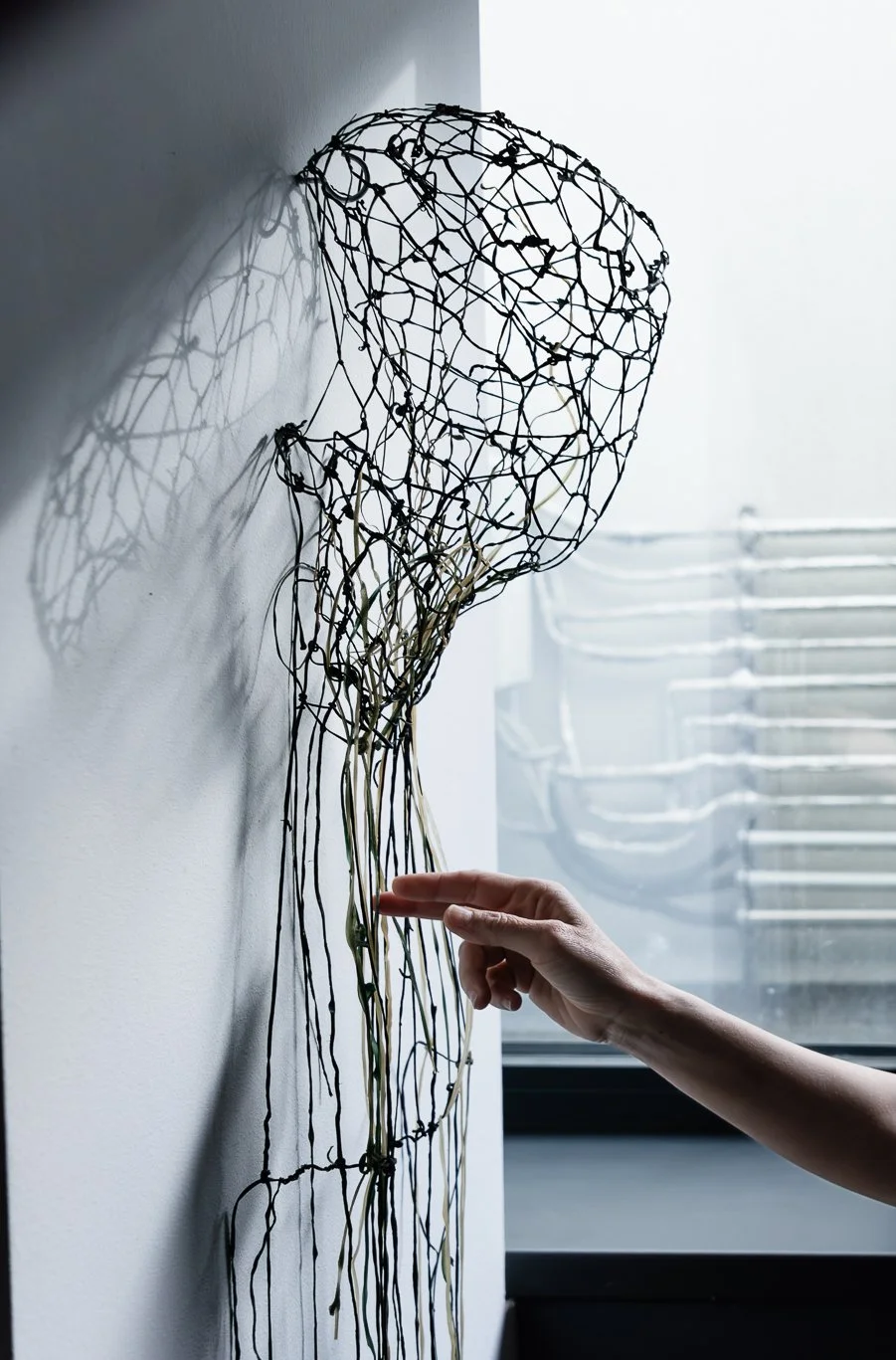
UNTIL MARCH, 2026. Images: Juliane Flöting
“When robotics or computational systems enter the work, they are not replacing my paintings - they are merely expanding my vocabulary.”
An interest in the shifting boundaries between human and more-than-human bodies informs much of your work. How has your understanding of the body transformed through your practice?
Since I began working with materials, I have been interested in how they interact with the human body. This may be because, while researching algae-based materials, I learned that they are biocompatible with human tissues, meaning the immune system does not reject them. In medicine, they are already used to replace tissues or heal wounds.
This led me to understand the human body as a system rather than a single entity, to recognize that within us there are millions of microorganisms that live with a certain independence and shape us, often without our awareness. It is to think of ourselves as a walking universe, and it makes me question what the real difference is between humans and non-humans, such as animals, plants, microorganisms, and materials, if we examine their specific ways of acting and interacting within their environments.
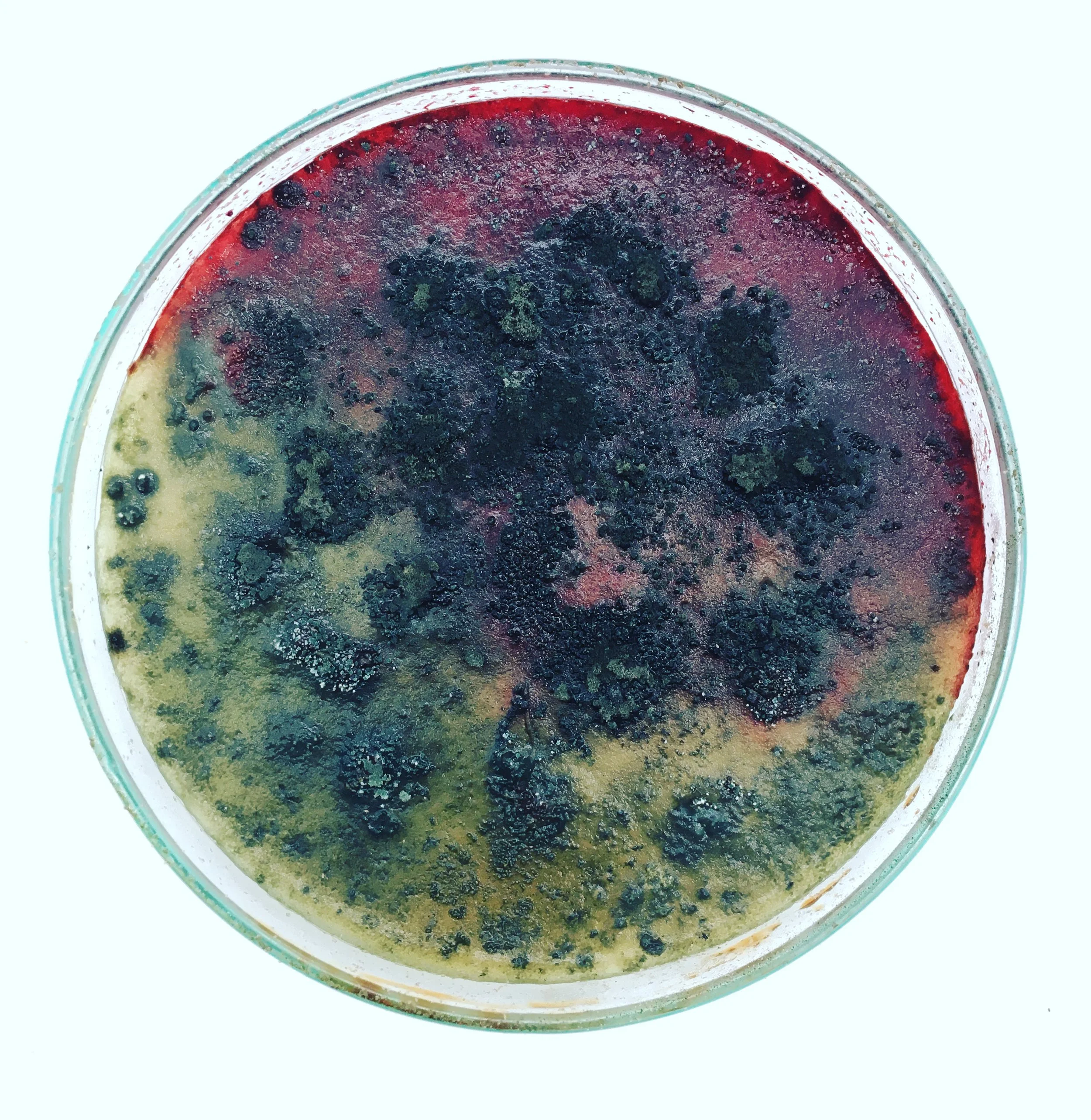
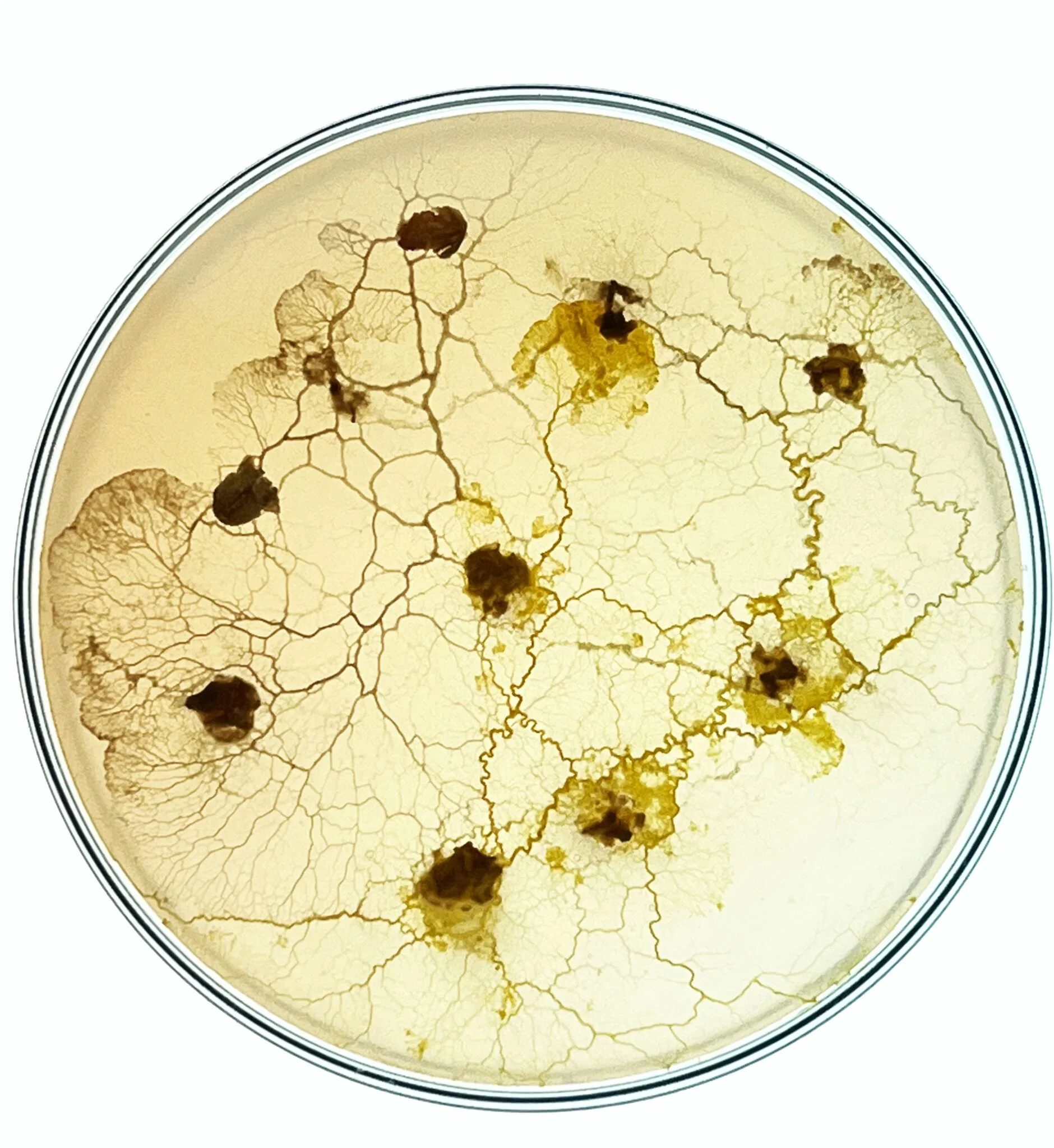
A sense of coexistence — between living systems, humans, plants, animals — underscores your artistic inquiry. What can we learn from this interconnectedness?
There is a particular pattern that I perceive across material systems, which can be seen, for example, in our circulatory and neural systems, in the roots of trees, in fungal mycelium, in the growth systems of slime molds, and in the constellations of the universe. For me, this reflects the sense that everything in this reality is connected.
Knowing that our senses are limited, there are many more relationships than we are actually able to perceive. I feel it is important to consider this when deciding what actions to take, to take into account implies to take care, allowing others to manifest. For me, this means living in a more harmonious way together.
UNTIL MARCH (details), 2026
Recently, you’ve collaborated with other artists including performers, filmmakers, and sound designers. How does working with others affect your practice or artistic process?
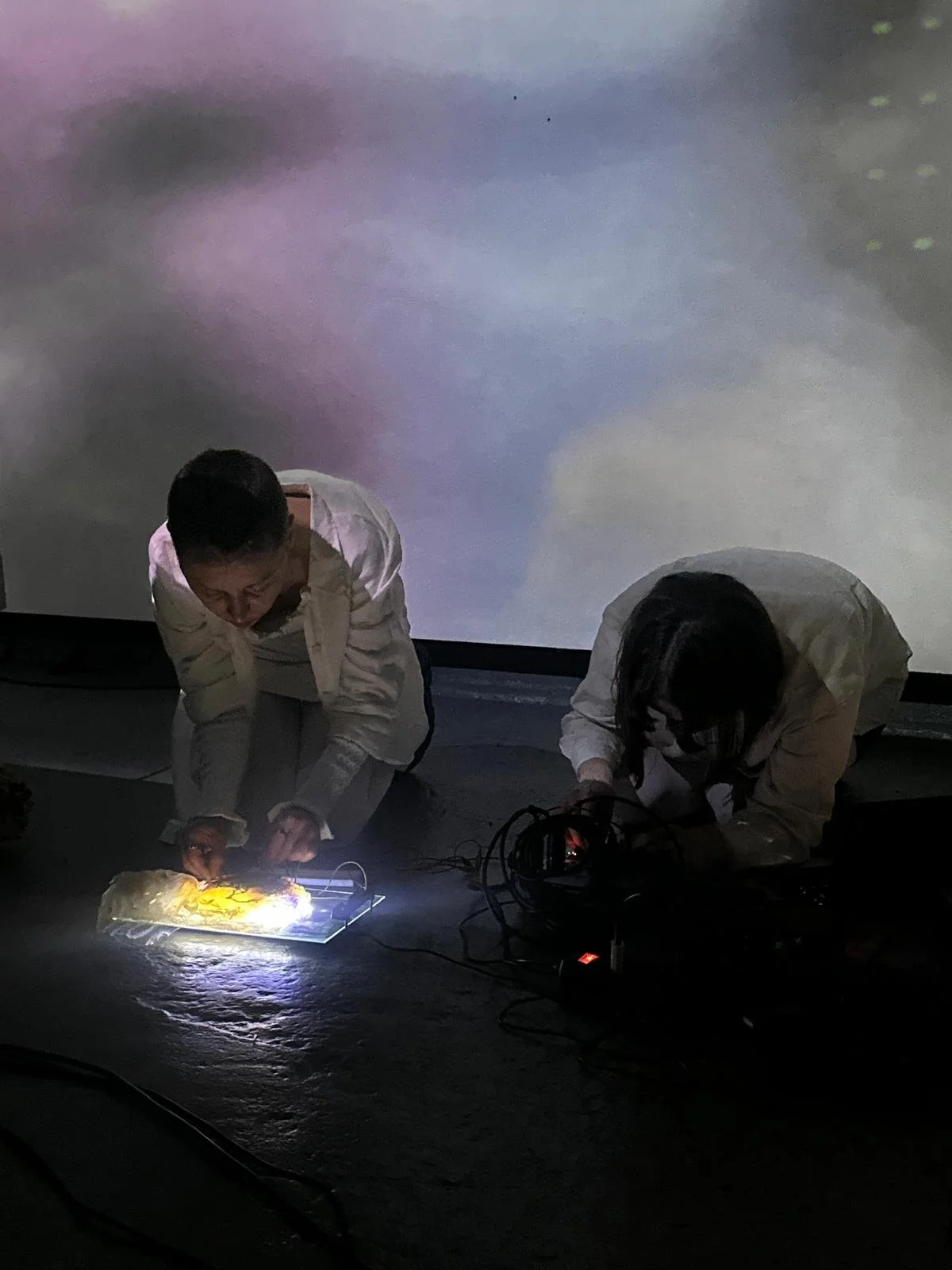
Collaborating with others has been a learning process that has expanded my practice, allowing me to develop ideas I could not realize alone, or that would have taken much longer due to a lack of specific knowledge. It brings new perspectives and energy into the work, while also requiring me to let go of control over certain decisions and learn to trust others, even when this can feel uncomfortable or challenge preconceived ideas. In a way, working with living materials has already taught me something similar: how to negotiate with systems that are not fully controllable.
At the same time, collaboration brings challenges. It involves constant dialogue, coordination of ideas, and a process of trial and error. This can make the work slower than expected, and requires managing different expectations along the way. For this reason, maintaining open and honest communication throughout the process is essential, as well as ensuring that everyone involved feels comfortable and respected.
I also find it valuable to share my perspective as an artist and my relationship with algae and other living systems, making sure this sensitivity is reflected in the work. For me, it is important that the collaboration does not reduce these organisms to materials alone, but acknowledges a connection to the more-than-human.
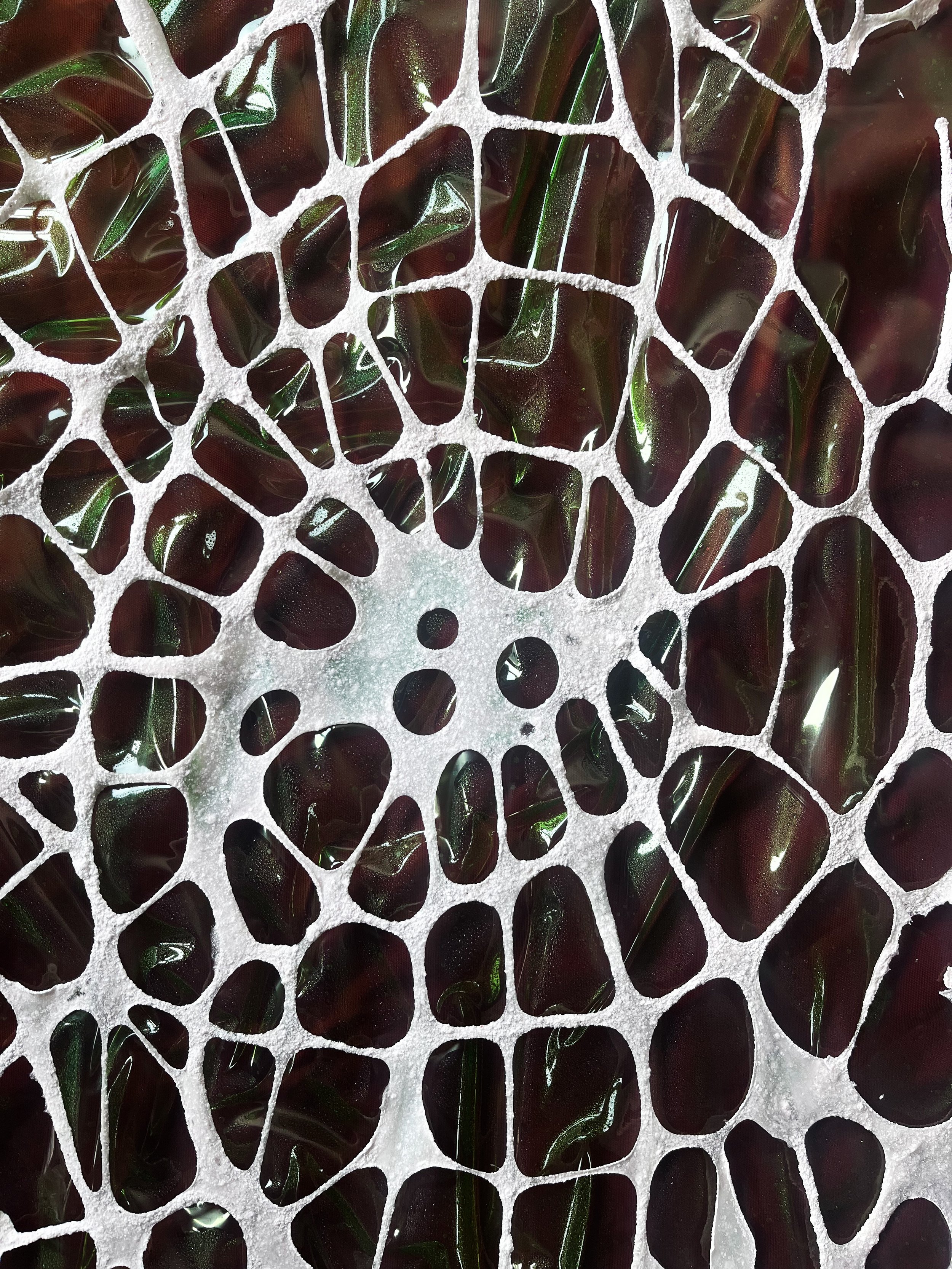
SEEYOUSEEME (detail), 2026.
Are there new processes, materials, or ideas you are currently experimenting with?
Since 2023, I have been working with algae-based biopolymers as body membranes, focusing on their conductive properties and how these can be translated into sound. This is an ongoing collaborative project that I plan to present as a new work this year.
In parallel, I have become interested in the water-filtering capacities of algae, which I see as a relevant direction for future research. I am currently developing this as a new project, ideally in collaboration with scientists and through working with locally sourced or cultivated species.
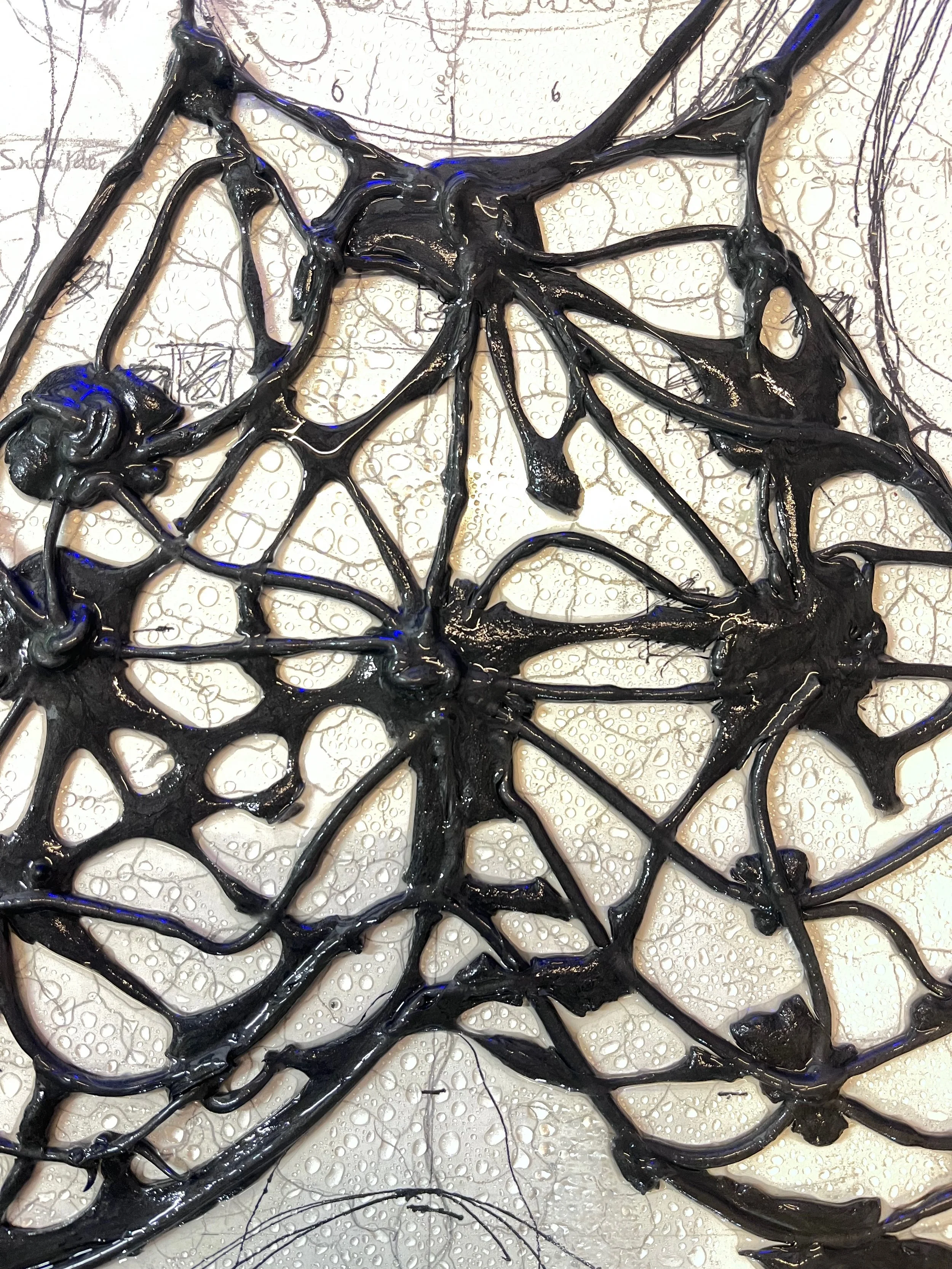
At the same time, I am returning to the initial motivation behind my material research: drawing and painting on my own medium. These experiments remain open-ended, as the material’s own agency continues to shape the visual outcome.
I am looking to engage with these processes as I am also willing to develop a more structured methodology for documenting my practice. As a process-based work, it often exists in states of transformation. In that sense, I wonder how to present or communicate forms that are inherently unstable. I am interested in exploring which media or strategies can better articulate this relationship with living materials and micro-organisms.
See more of Valeria Solari’s work
New Voices highlights emerging artists who showcase their unique perspectives and innovative techniques on ArtConnect. Applications are accepted on a rolling basis. If you would like to be featured in a personal interview on ArtConnect Magazine, read through the open call and apply here.