
Ketty
Zhang
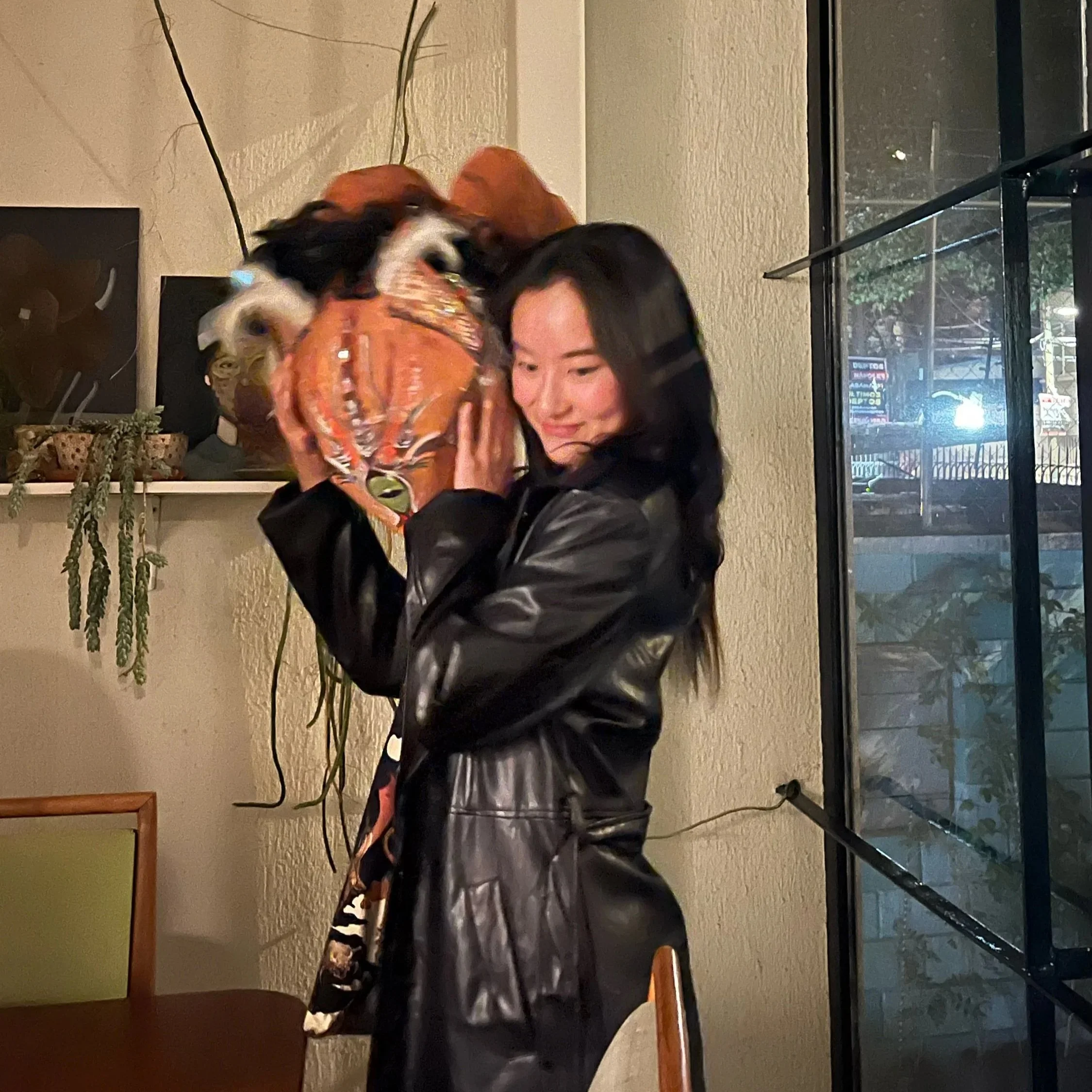
Ketty Haolin Zhang is spotlighted in the New Voices series, which highlights emerging artists who showcase their art on ArtConnect.
Ketty Haolin Zhang (b. Chaoyang, Liaoning) is a visual artist based between New York and Vancouver. Informed by her diasporic experience immigrating to Canada from an industrial city in northeast China as a teenager, her work explores provisional belonging, primarily through assemblage and painting. Drawing from personal archives, literature, pop culture, and mythology, she is interested in self-construction and self-transformation as a form of resistance under conditions of instability, and as a symbolic technique to make oneself at home in the world.
Curious to gain more insight into her artistic approach, we asked Ketty a few questions about her practice.
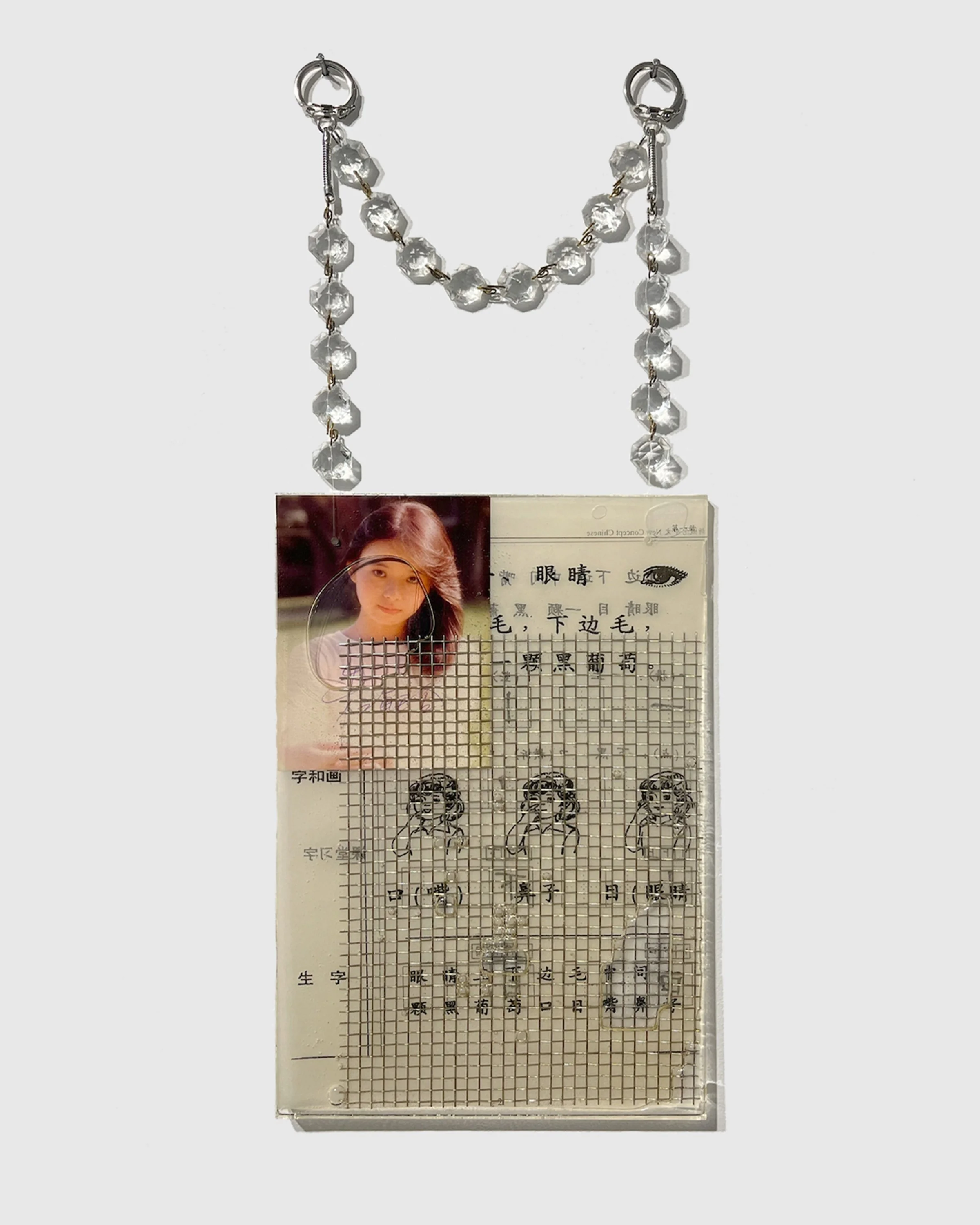
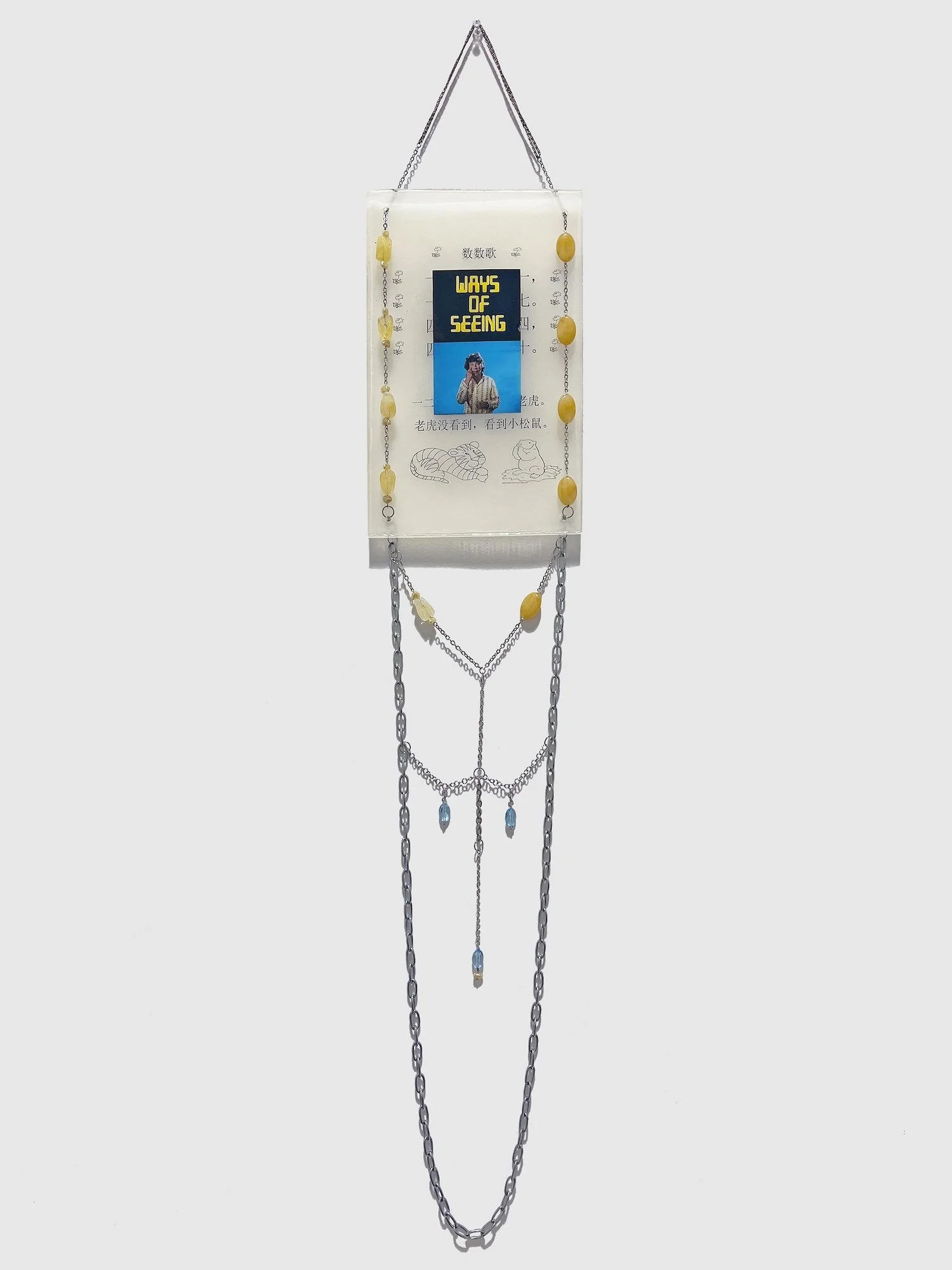
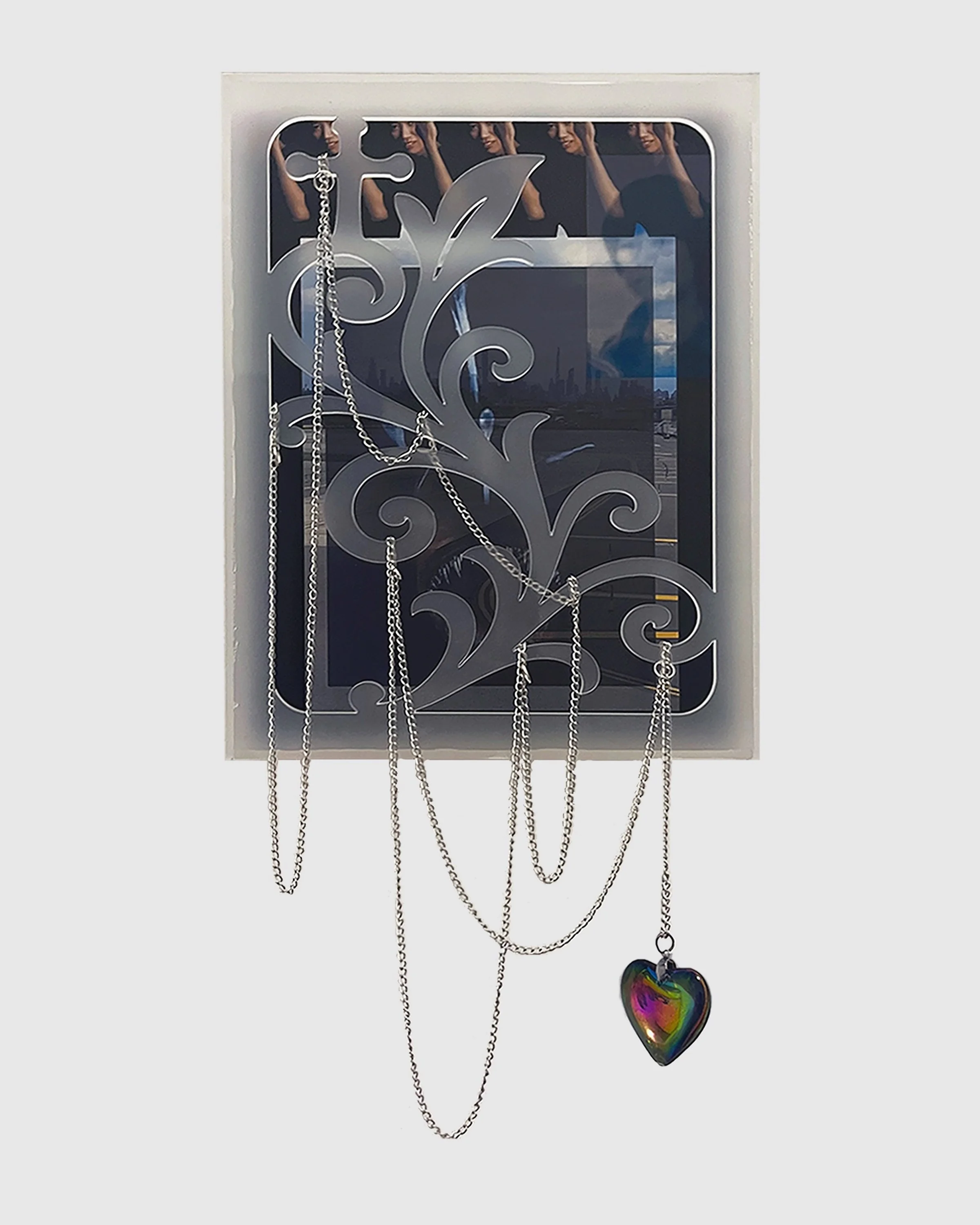
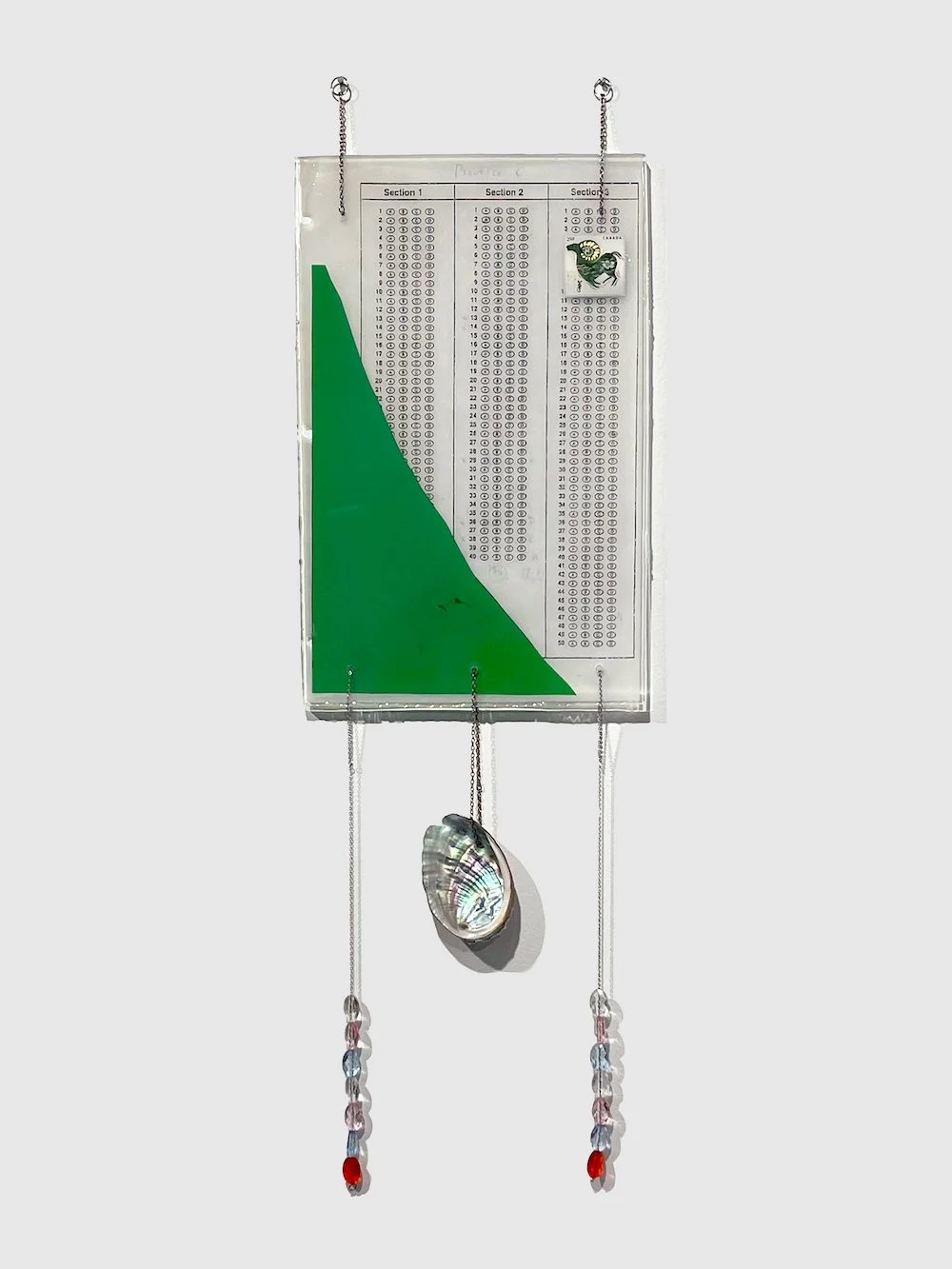
LTR: Practice C, 2024. Wendi (for Lure & Adaptation) 2025, Prime Time, 2024. Ways of Seeing, 2025
Your practice brings a wide range of media and references into conversation — from personal archives and literature to pop culture and mythology. What’s created through this process of assemblage?
I want to mirror the diversity of information sources we expose ourselves to. In many ways, we construct our identity and our future with fragments that are available to us. By putting together visual and textual information gathered across cultural domains, timelines, and languages, I want to present the interconnectedness and the multiple realities in everything. It’s a way to tell stories that are nonlinear.
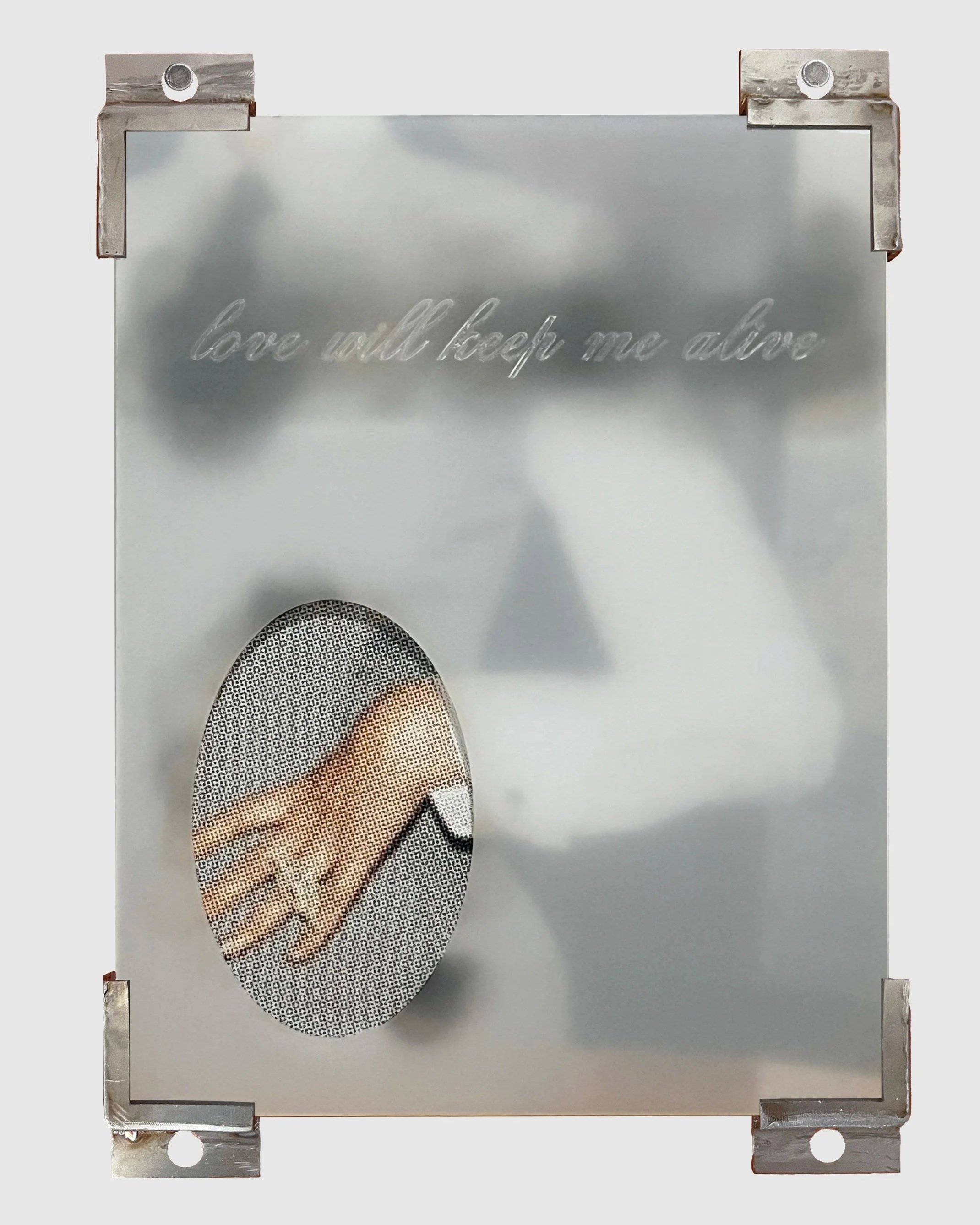
love will keep me alive, 2026
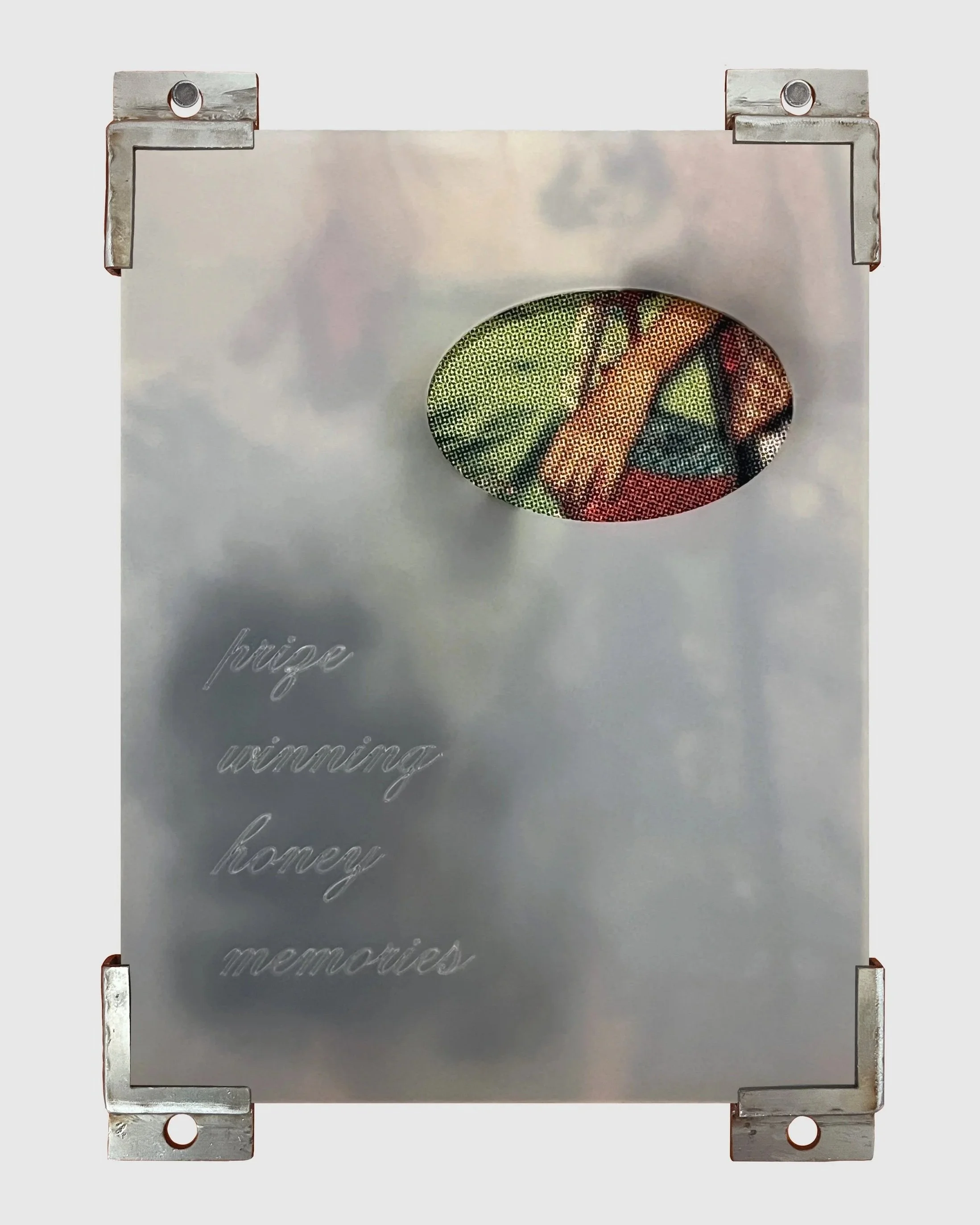
prize winning honey memories, 2026
A recent work, prize winning honey memories, draws on online imagery of Wendi Deng Murdoch — American socialite and third wife of media mogul Rupert Murdoch. What drew you to her as a subject, and what does she come to represent within the work?
She is a household name in China, and the sentiment around her, at least in the fifth-tier city where I grew up, was mostly admiration. When I moved to Canada as a 14-year-old, I realized I was so different not only from Chinese Canadians, but also from new Chinese immigrants from high-tier cities. My frustration and lostness were the root of my interest in Wendi, who also grew up in a lower-tier city and became a public figure in a world she did not initially belong to.
Regardless of politics, it takes an exceptional amount of openness, discernment, and tenacity to not only confidently navigate a culture but to influence that culture. She’s probably not someone I’d want to work for, but I’m interested in this moral ambiguity in her public life — a disregard of others’ acceptance, which I wish I had.
In this series, Wendi is often shown indirectly, often reduced to her hands. What does a hand allow you to communicate that a full figure might not?
The hand highlights agency and anonymity at the same time. Hands are a universal communication tool. Hand gestures can be learned to project power and perceived competence. By isolating her hand, I place the viewer in the image too: clutching something tight, jewelled up for an occasion, holding a loved one.
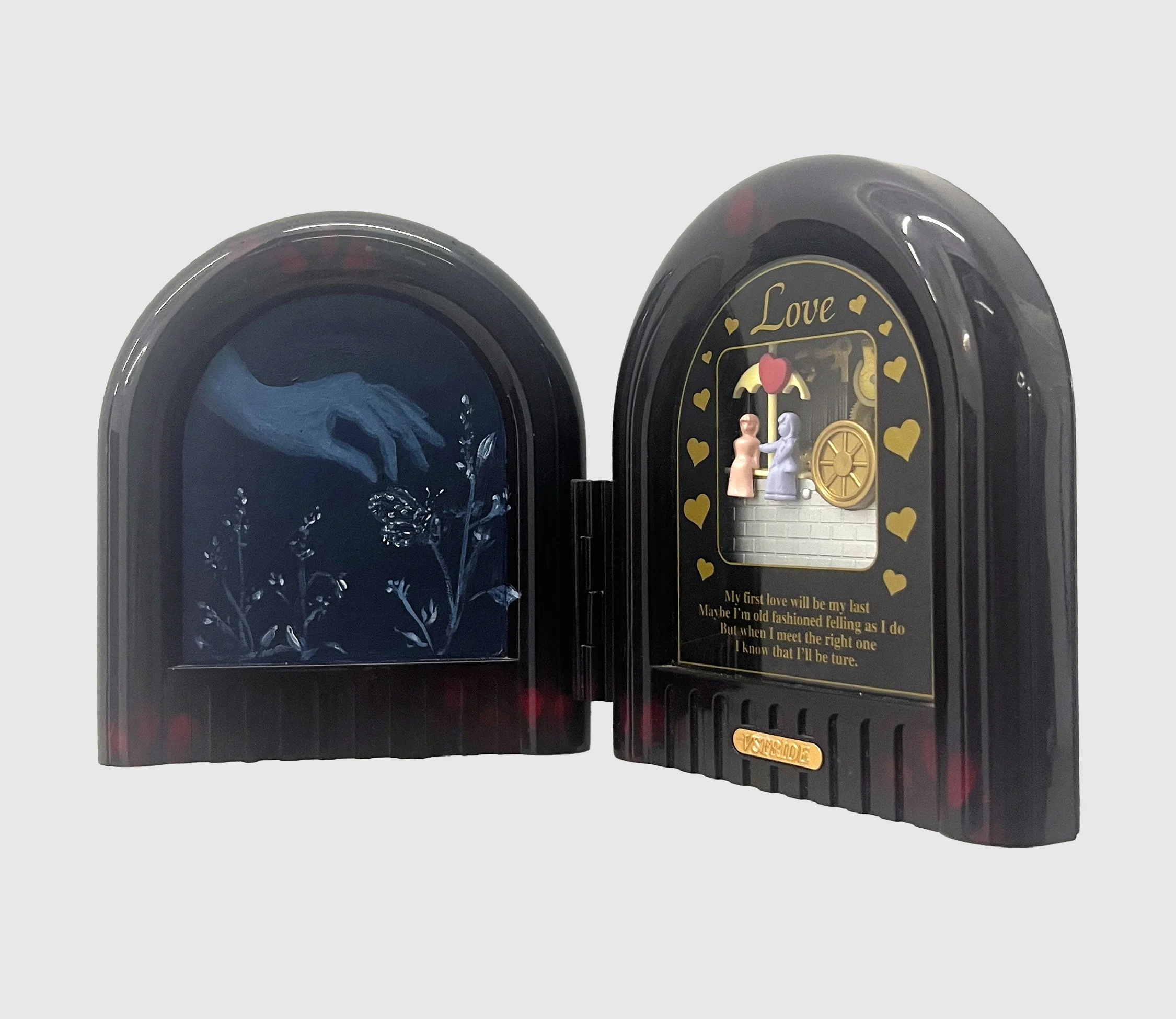
Bated Breath, 2025
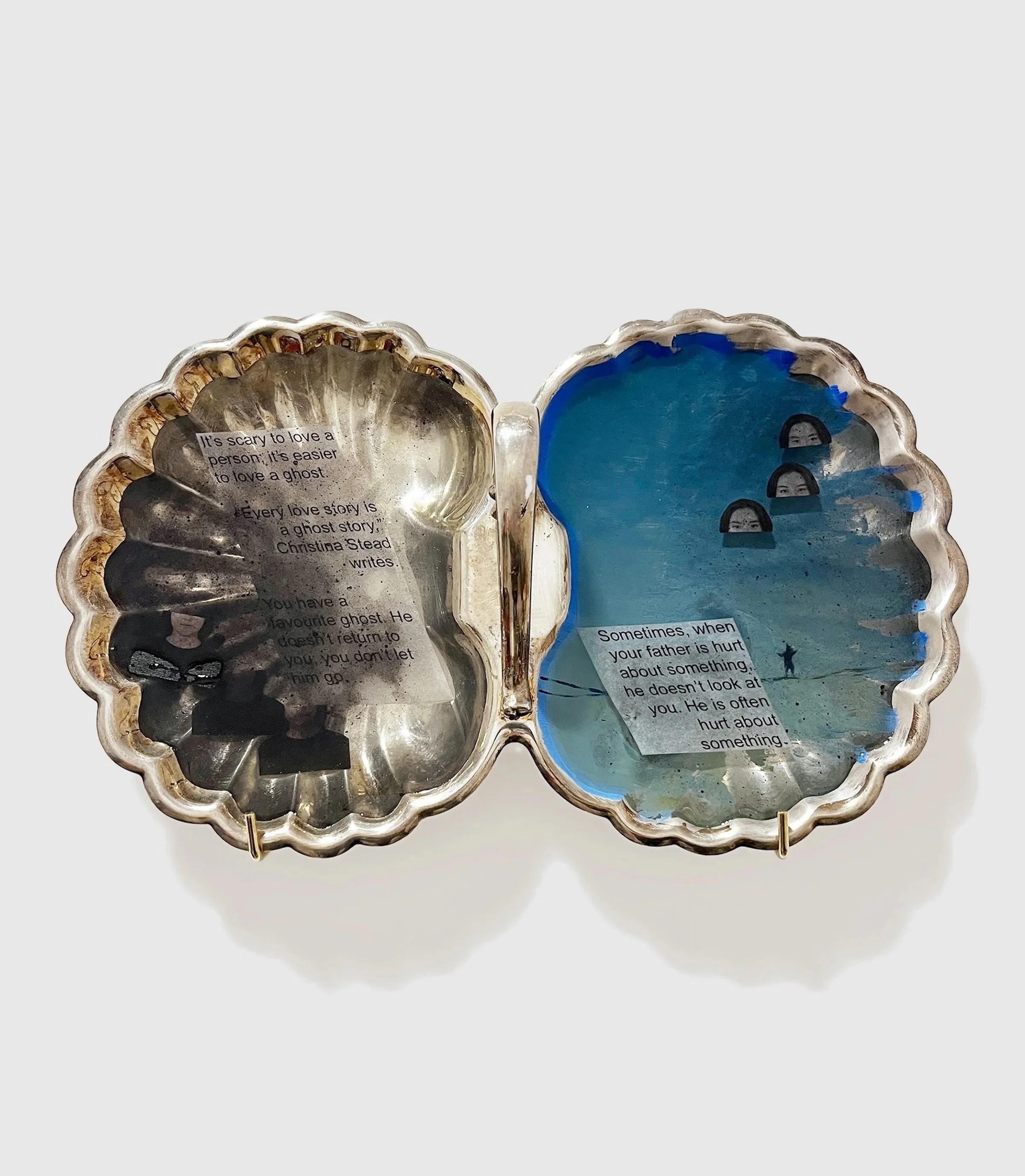
Every love story is a ghost story, 2026
In some of your recent work there’s an presence of religious iconography, such as shrines or altars. What role does ritual play for you, and what kinds of belief systems are you engaging with or questioning?
I use rituals to make myself feel at home in an unfamiliar environment. When I’m travelling, one of the first things I do is to go to a local gym class to sweat and groan together with strangers in synchronized movements. When I have to make the tough decision to leave somewhere or someone, I burn something with symbolic significance. Rituals remind me that I can surrender and have agency at the same time.
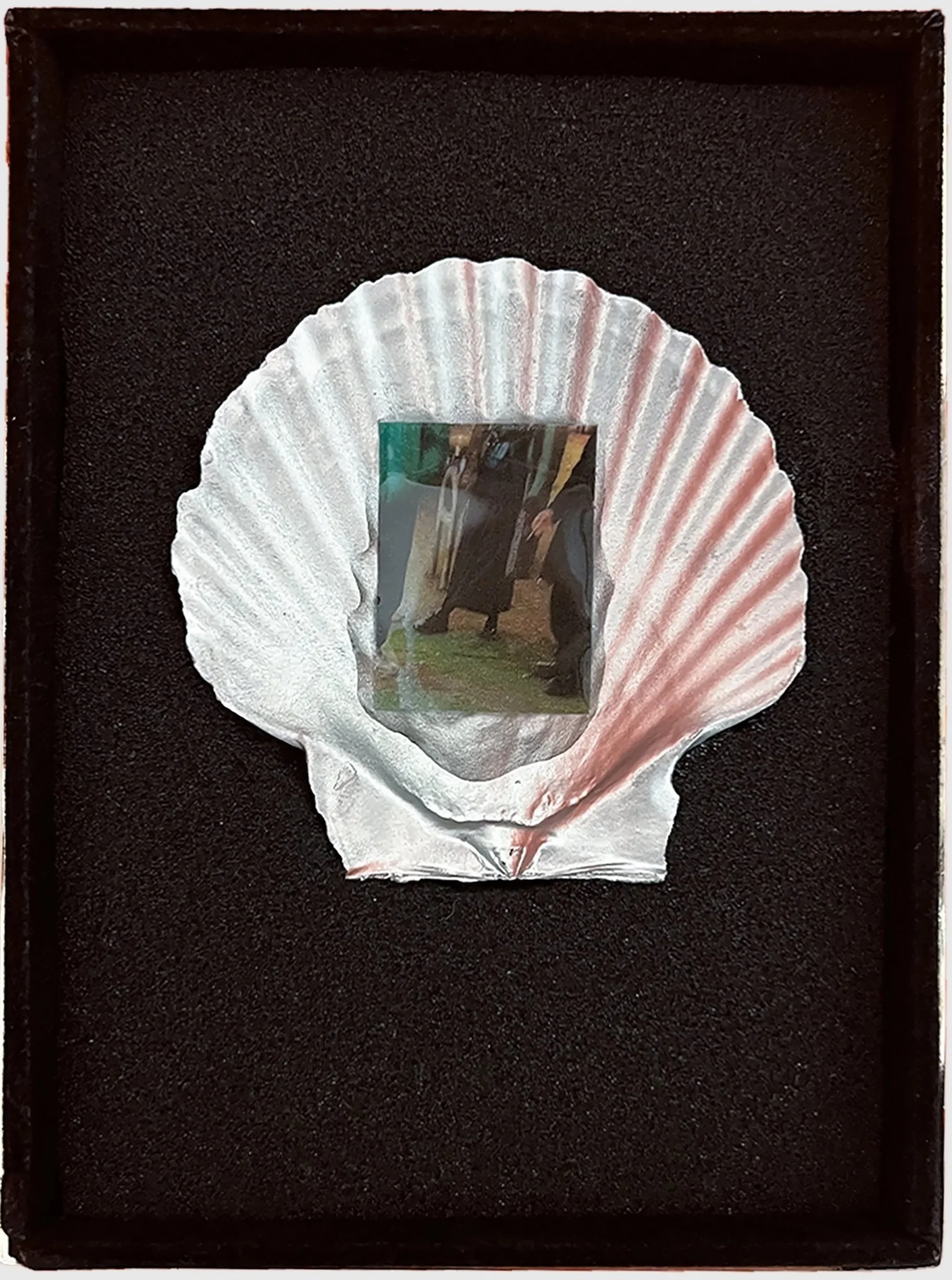
Specimen (Smoke Break), 2026
Within these shrine-like works, shells appear repeatedly. What interests you about shells?
It started with shells from abalones my family kept buying from this Asian supermarket. We love seafood and I thought the shells were too pretty to throw away. Then I learned that in Traditional Chinese Medicine, abalone shells, or Shi Jue Ming, are used to calm anxiety, so I started using them in my work both materially and conceptually. For me, shells are mundane relics, a symbol for spirituality in the everyday. I like that they were once used as currency.
“Rituals remind me that I can surrender and have agency at the same time.”
More broadly, objects, whether found, sourced, or made, seem central to your practice. How do you approach the act of gathering them? Is it intuitive, research-led, or something else?
A mix of both. I establish my preferences without knowing what the objects look like exactly, and go find what speaks to me. I got a lot of my favourite objects from flea markets and thrift stores. I like things that used to carry sentimental or functional value, but no longer do for their previous owners.
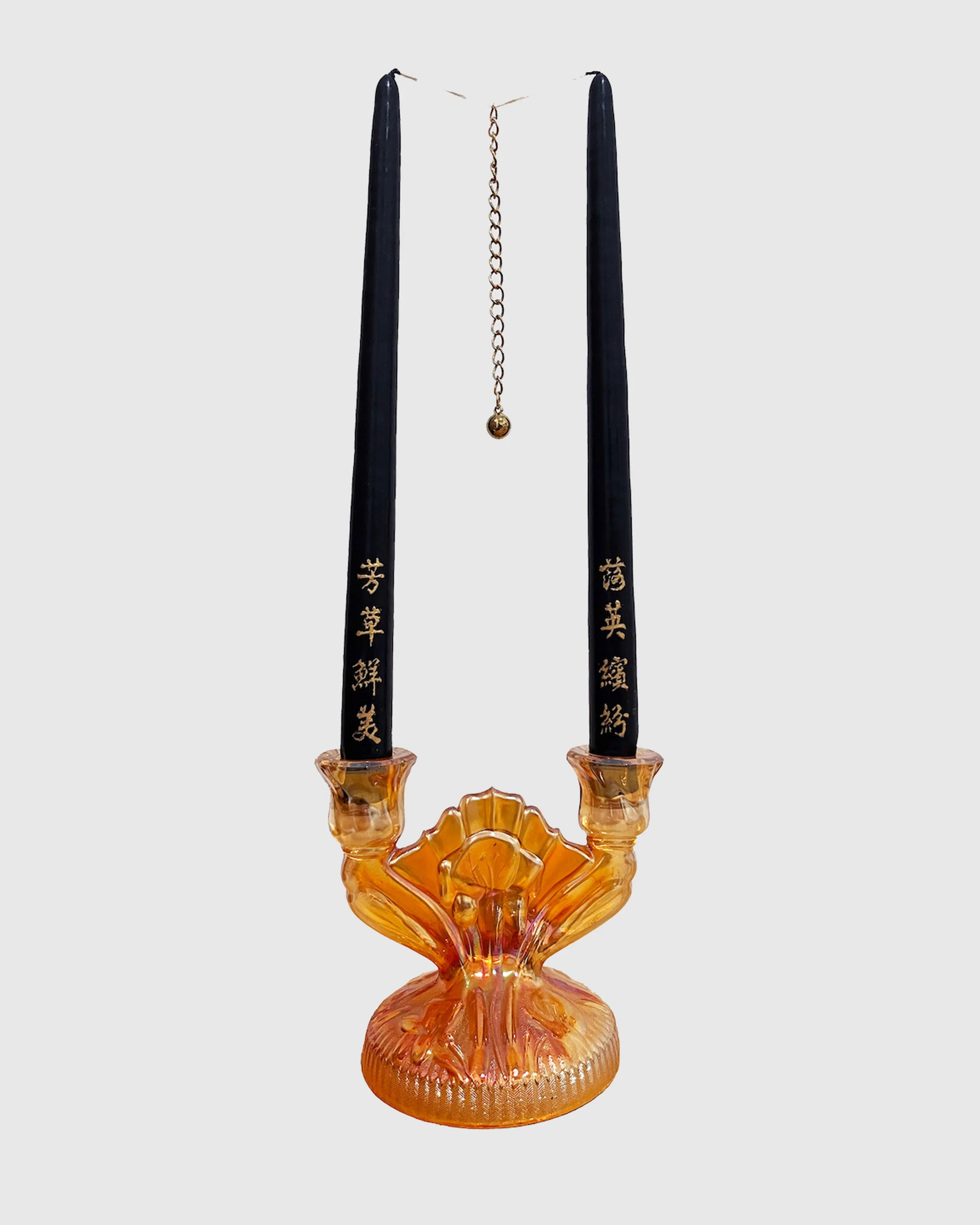
Peach Blossom Spring, 2024
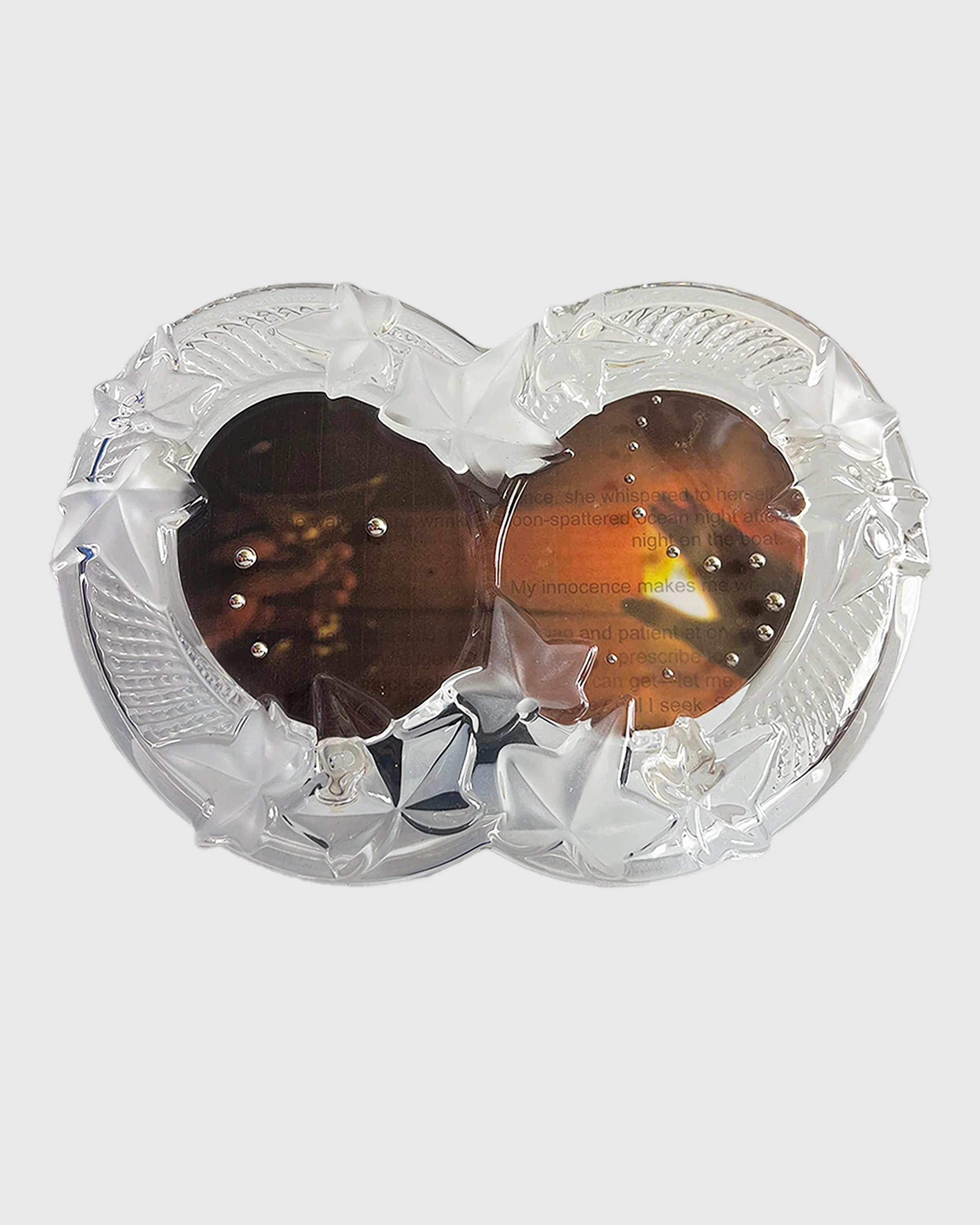
My innocence makes me weep, 2026
You also frequently incorporate text into your work. What role does language play in relation to image and object?
When I was learning English in high school and taking Japanese classes in university, I realized I was good at writing with limited vocabulary. Once my vocabulary expands, my writing loses a certain power. I remember feeling fascinated by the Bible because the words were simultaneously so simple and encompassing and cryptic. This enigmatic simplicity is what I want text to add to my work. It’s communicating something powerful to you, but you’re not quite clear how to interpret it. The English texts used in all my work could’ve been written with the vocabulary of an ESL student.
See more of Ketty Haolin Zhang’s work
New Voices highlights emerging artists who showcase their unique perspectives and innovative techniques on ArtConnect. Applications are accepted on a rolling basis. If you would like to be featured in a personal interview on ArtConnect Magazine, read through the open call and apply here.