
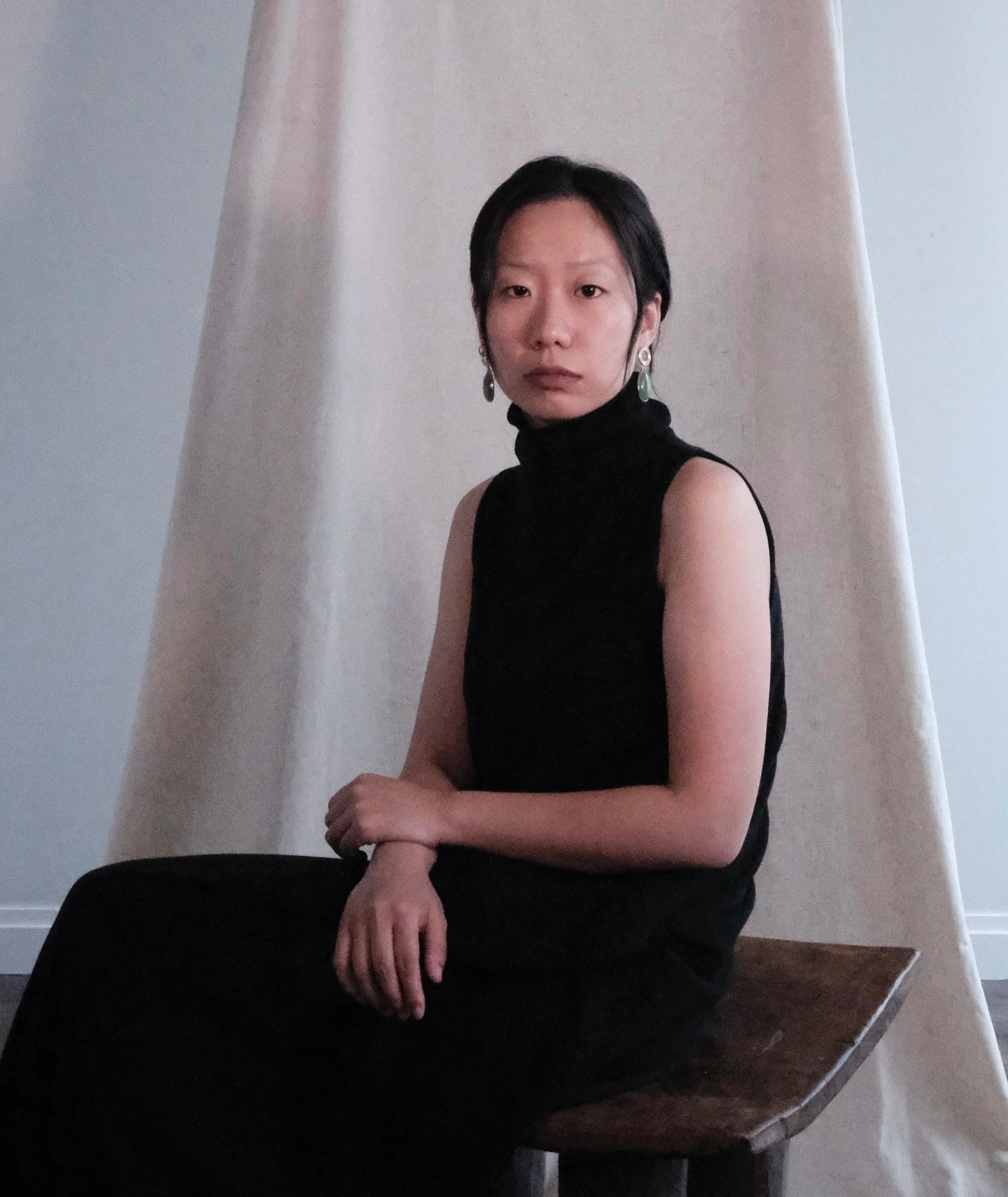
Nanxi Jin
Interdisciplinary artist exploring material, process, and discipline in ceramics media.
Nanxi Jin is spotlighted in the New Voices series, which highlights emerging artists who showcase their art on ArtConnect.
Interdisciplinary artist and educator Nanxi Jin specializes in ceramics media. Originally from Jingdezhen, China, she is currently based in Chicago. Her work investigates cultural identity and belonging, rooted in Jingdezhen’s ceramic traditions and shaped by twelve years in the U.S. She explores material, process, and discipline while questioning authorship, value, and cultural context in contemporary practice.
Curious to gain more insight into her artistic approach, we asked Nanxi a few questions about her practice.
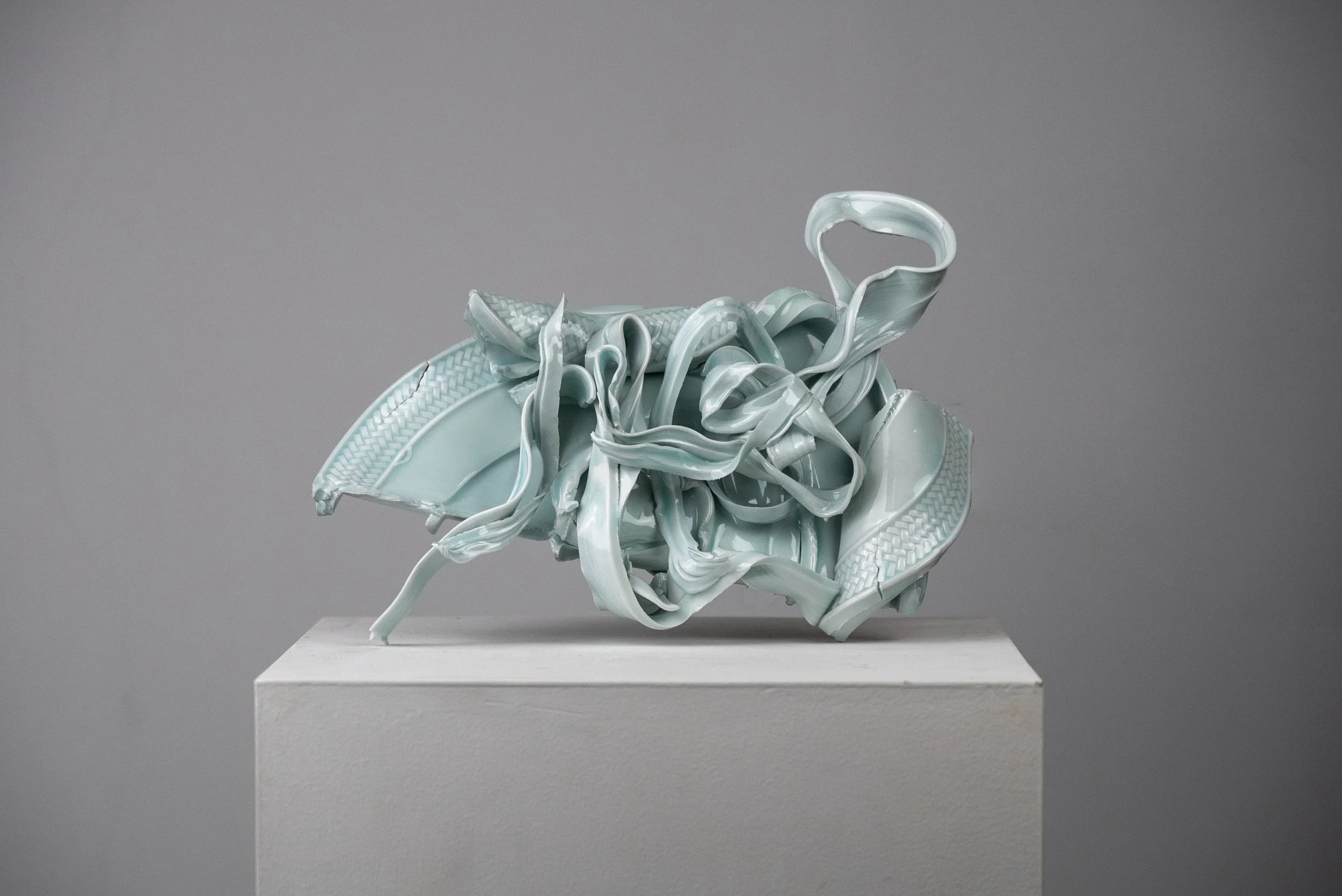
Dancing (2024). Photo: Daren Jin.
How did your fascination with clay begin, and at what point did it become central to your practice?
Ceramics have always been a part of my life. I grew up in Jingdezhen, China, the porcelain capital, in a family of ceramic artists, and began working with clay at a young age. Both my grandmother and my mother are nationally recognized ceramic sculptors specializing in traditional flower-making techniques, and my father is a contemporary ceramic artist and educator. As a third-generation ceramic artist, clay has never been simply a medium for me, but a way to connect history, culture, and community.
Discarded porcelain shards, glaze drips, and other remnants from previous firings are often reintegrated into your works. What draws you to reuse these materials, and what do they allow you to express that new clay cannot?
I’m drawn to discarded porcelain shards and glaze remnants because they already carry a history. Unlike new clay, these materials have been fired, evaluated, and rejected, and they hold visible traces of that process. They come from a system that prioritizes perfection, where anything that falls short is set aside.
Working with these fragments means engaging with imperfection as something inherent rather than accidental. They resist being fully controlled, which shifts my role from refining an ideal form to responding to what already exists. These materials allow me to make visible what’s usually hidden in ceramic production such as loss, excess, and process, and to reframe failure as a space where new meaning can emerge.
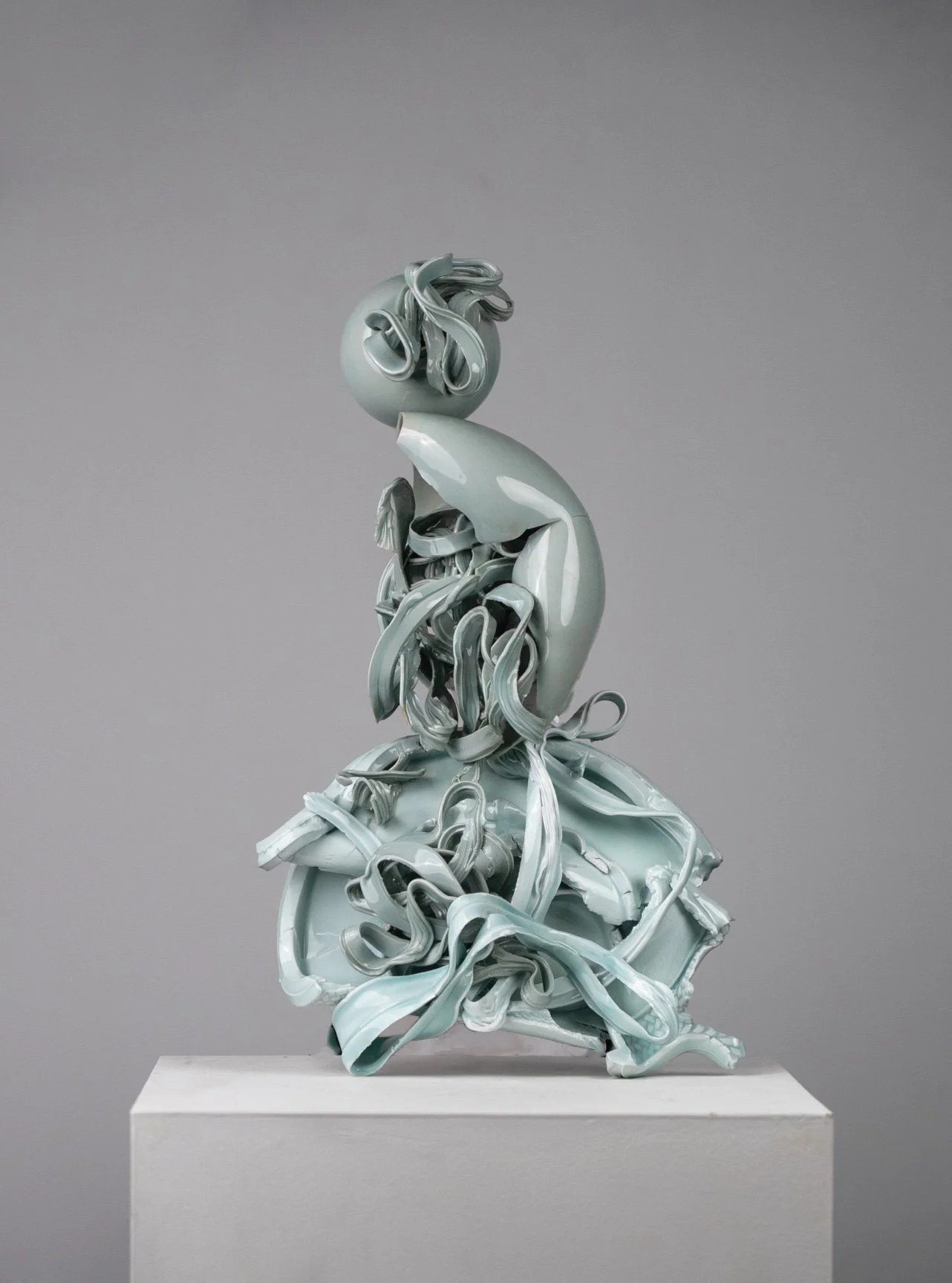
Stretching (2024). Photo: Daren Jin.
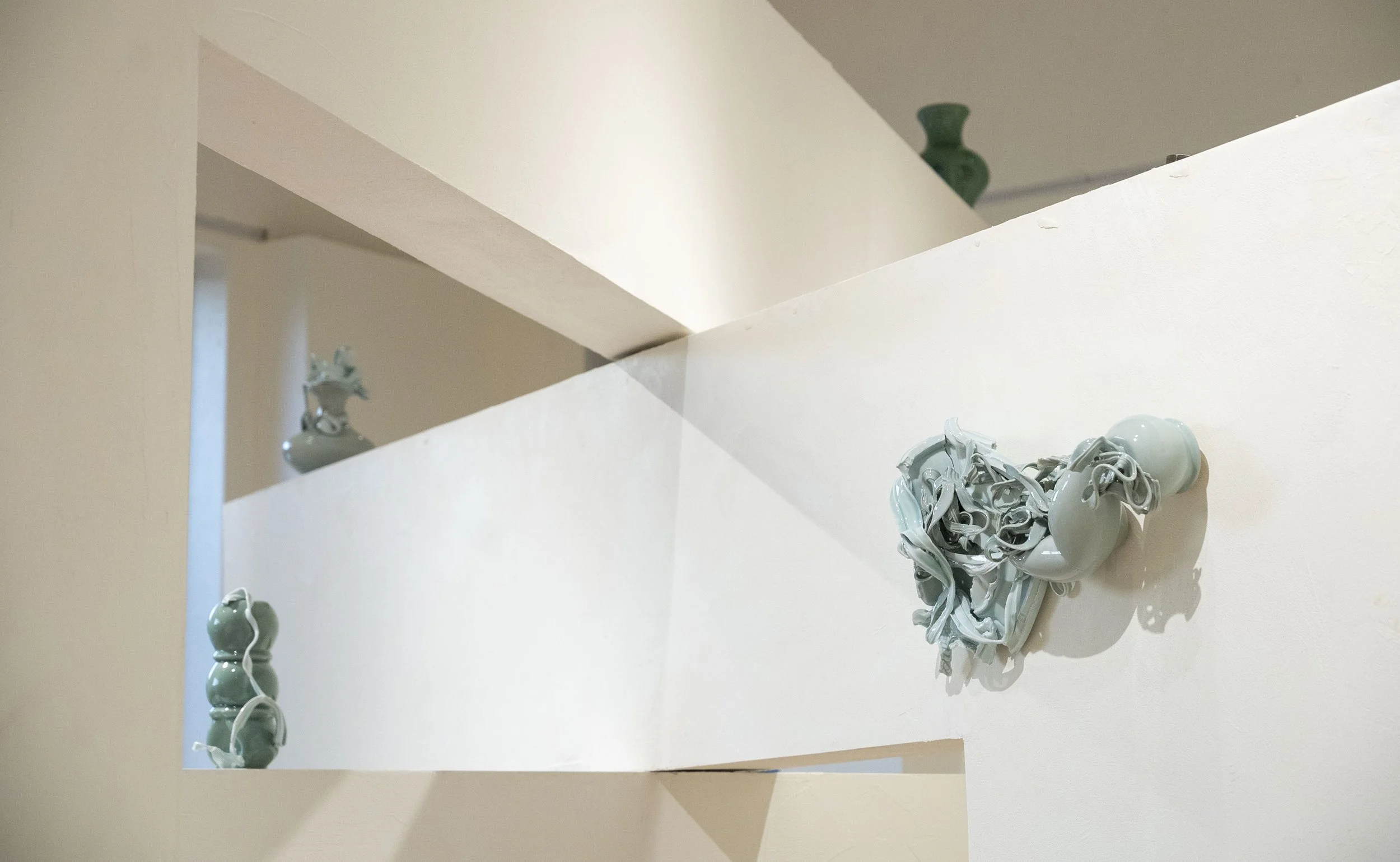
Installation View (2024). Photo: Daren Jin.
You describe clay as both a material and a language. How does this medium function as a form of communication in your work?
For me, clay functions as a language because it speaks through touch, weight, and process before words are involved. The material records pressure, heat, and time, so it carries meaning on its own. I believe part of an artist’s role is to communicate through a visual language that people can feel and understand intuitively.
Because I work between Chinese and English, my thinking already moves across languages. Clay becomes a third language in my practice. It’s a material language that bridges culture and experience, allowing the work to communicate beyond translation.
“I’m interested in fragility, instability, and change, seeing ceramic objects as records of time and conditions rather than timeless, fixed artifacts.”
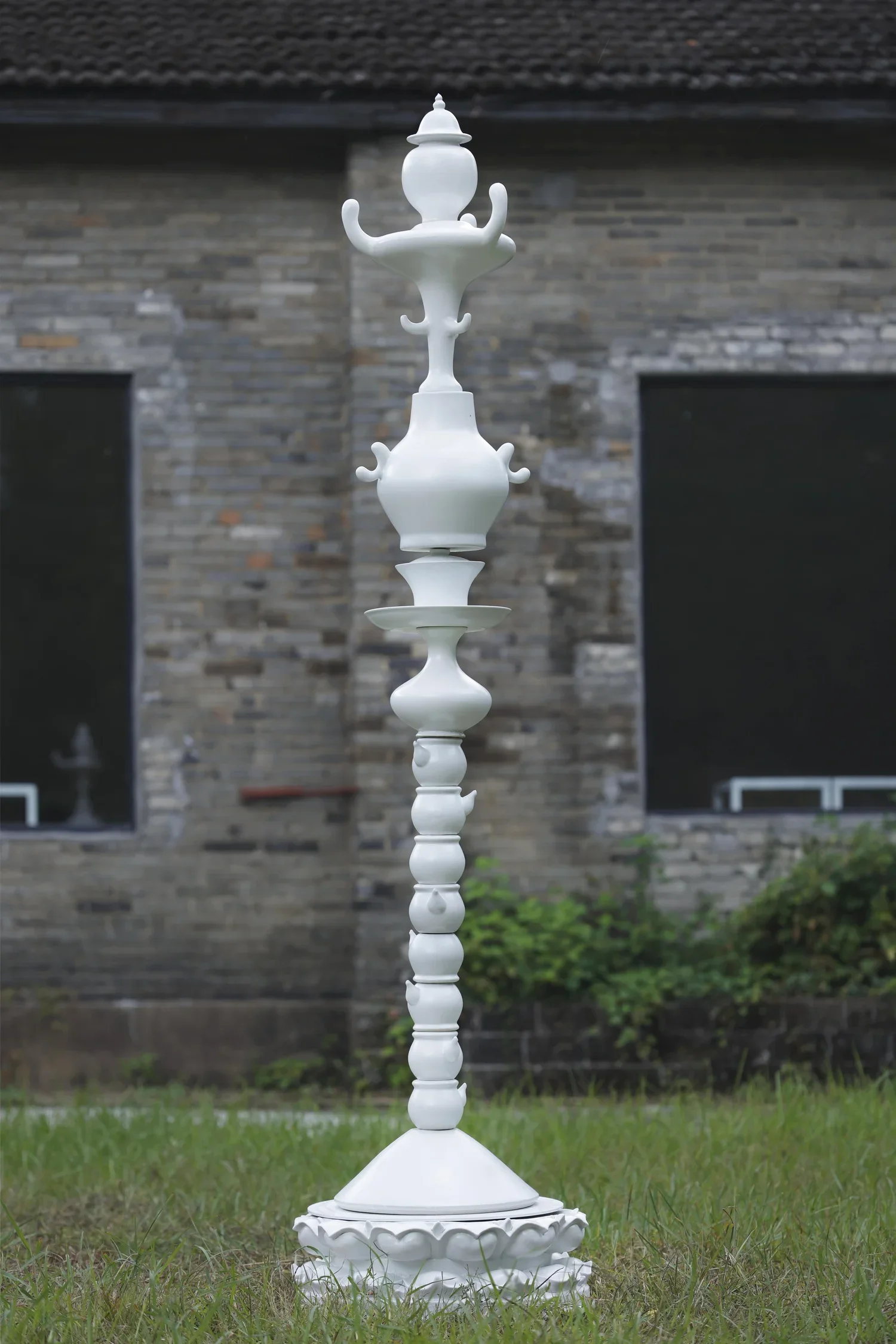
Spliced Coat Hanger (2025). Photo: Wenwei Jin
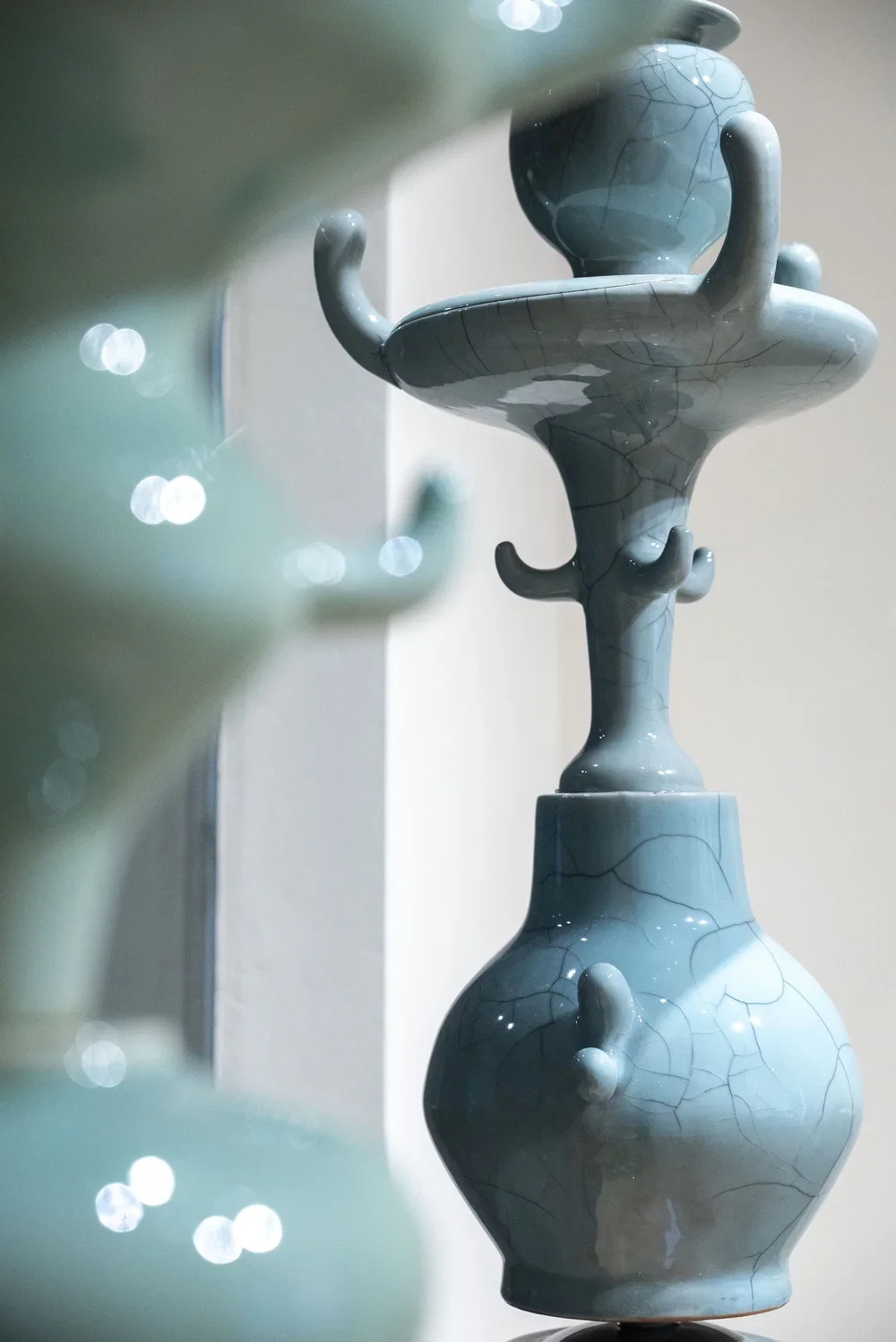
Spliced Coat Hanger (Detail), (2024). Daren Jin
Your work seeks to challenge conventional ideas of authorship, value, and permanence in ceramics. Are there particular assumptions within the field that you are most interested in unsettling?
I’m particularly interested in challenging the assumption that ceramics must be defined by individual authorship, perfection, and permanence. In my work, authorship is often shared between myself, the material, industrial systems, and the processes that produce failure and excess.
I also question the idea that value comes only from flawless outcomes. By working with discarded and imperfect materials, I shift attention toward process, labour, and what’s usually left behind.
Finally, rather than treating ceramics as symbols of permanence, I’m interested in fragility, instability, and change, seeing ceramic objects as records of time and conditions rather than timeless, fixed artifacts.
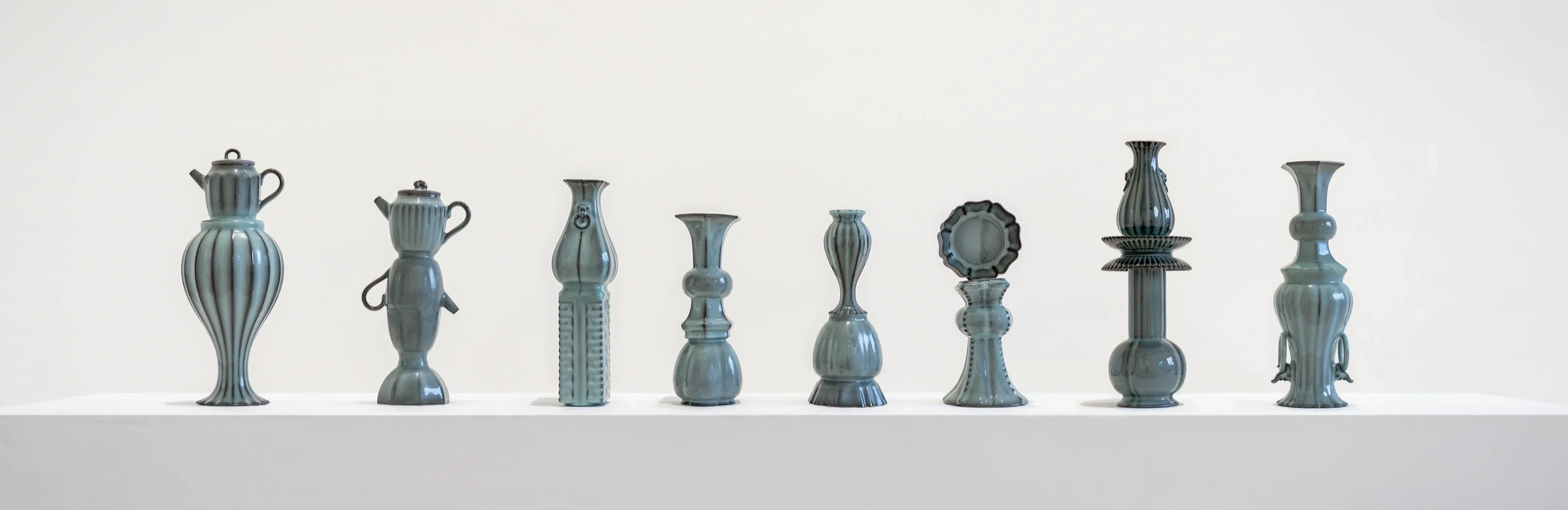
Where Things Stand, (2024). Photo: Daren Jin.
For the last decade, you have been living and working between China and the United States. How has your practice been shaped by this mobility?
Mobility itself continuously brings me new sensory stimulation and sources of inspiration. Through various residency programs, I have the opportunity to meet artists from around the world, and each encounter opens up a new perspective.
For me, living and working in different places is not just a geographical movement, but an exchange of cultural and artistic experiences. Different environments, material systems, and working methods push me to rethink my creative process and keep me sensitive to ideas of difference and coexistence.
This ongoing mobility has shaped my understanding of material, process, and identity, and has become an essential part of my practice.
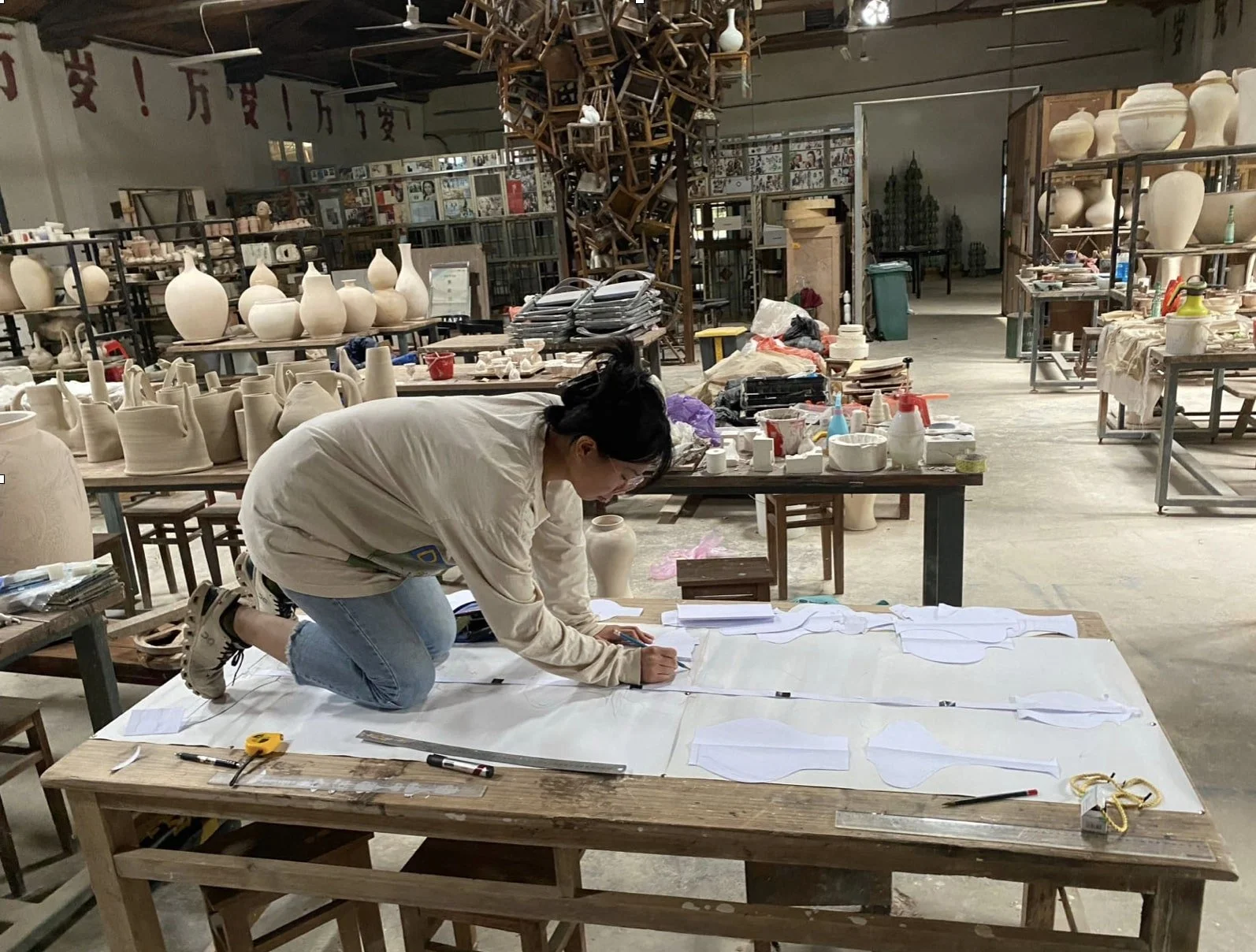
Working in progress, 2024. Photo: Wenwei Jin
The pieces you produce often sit between categories — jewellery and object, functional ware and sculpture, craft and design. Why is it important for the work to resist a single classification? What is gained by sitting in this in-between space?
I’m less interested in categorizing my work in advance than in following what I want to make. As the process unfolds, it naturally moves between jewellery, functional objects, and sculpture. Working in this in-between space frees me from the rules of any single category. It allows my body and mind to reset, stay flexible, and respond to the material.
I see my practice as moving along multiple paths at once, where different disciplines influence and inspire one another, rather than following a single trajectory.
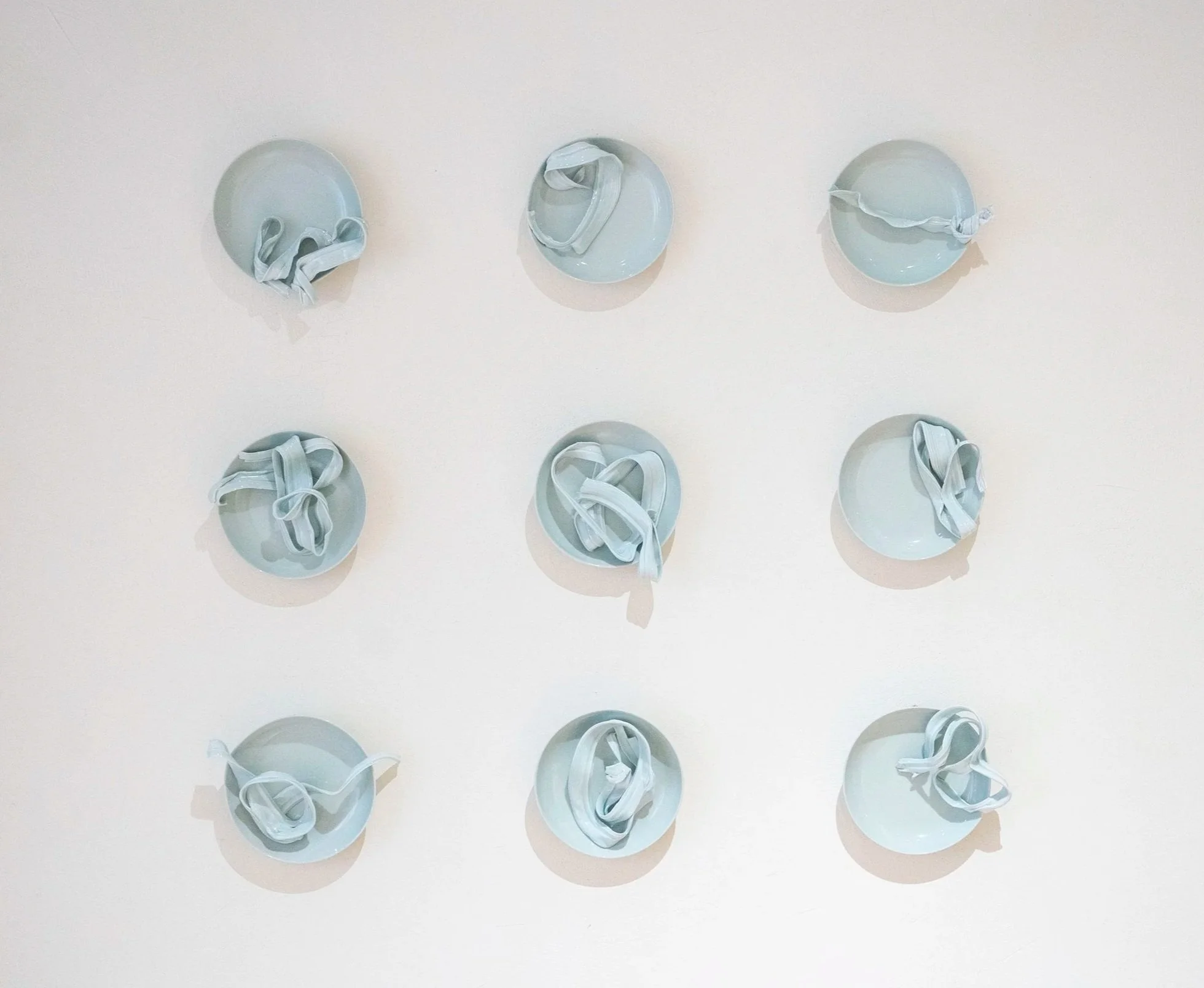
Held Over (2024). Photo: Daren Jin
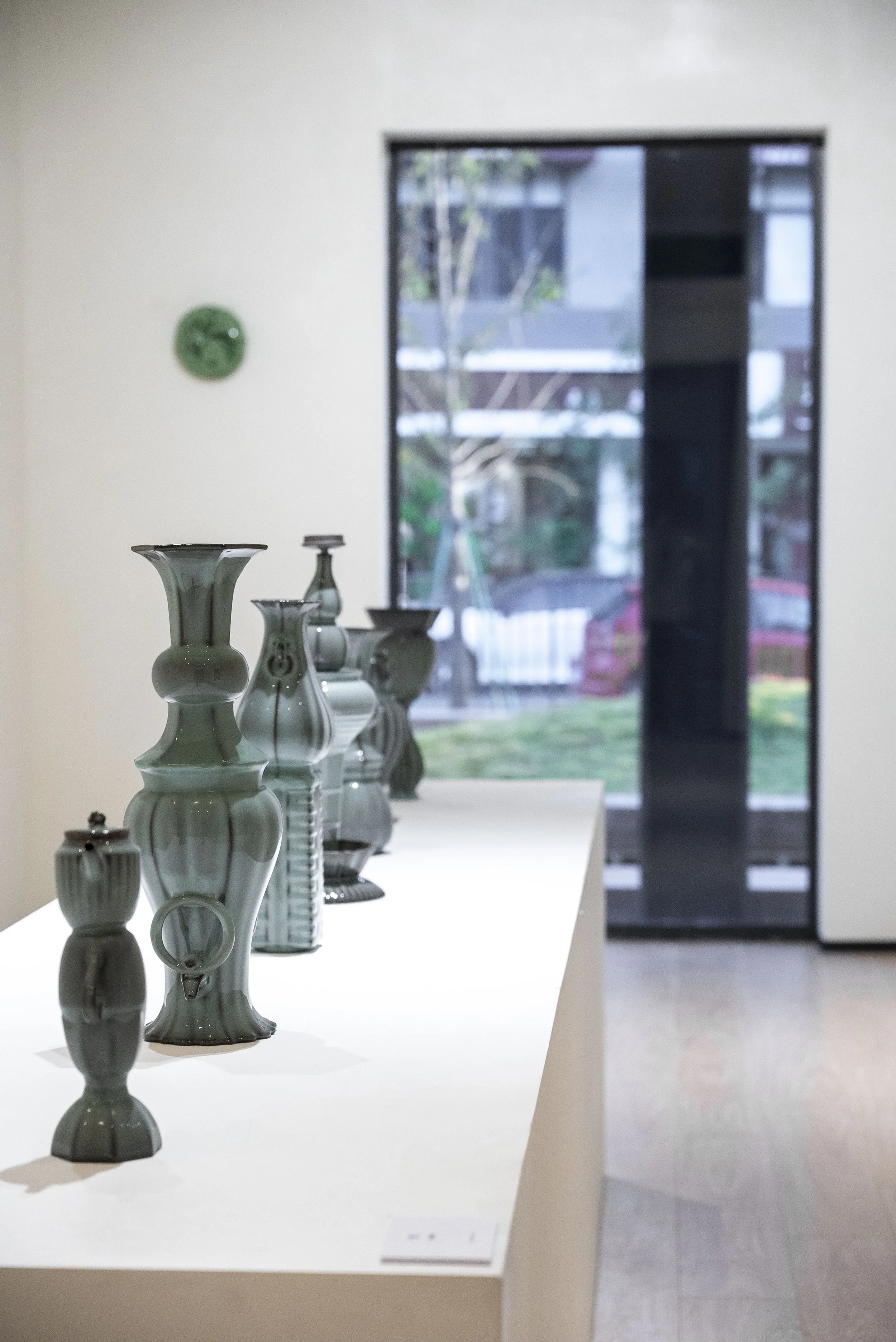
Installation View (2024). Photo: Daren Jin.
What’s coming up for you in 2026? Are there any new projects you're developing?
In 2026, I’m focused on establishing my personal studio and expanding my practice around ideas of movement and rotation. I’m developing a series of spinnable works, including stools, sculptural objects, and functional pieces that invite physical interaction. Overall, 2026 is about building a more cohesive studio practice while pushing my work toward more dynamic and experiential forms.
See more of Nanxi Jin’s work
New Voices highlights emerging artists who showcase their unique perspectives and innovative techniques on ArtConnect. Applications are accepted on a rolling basis. If you would like to be featured in a personal interview on ArtConnect Magazine, read through the open call and apply here.