
Nestor Siré
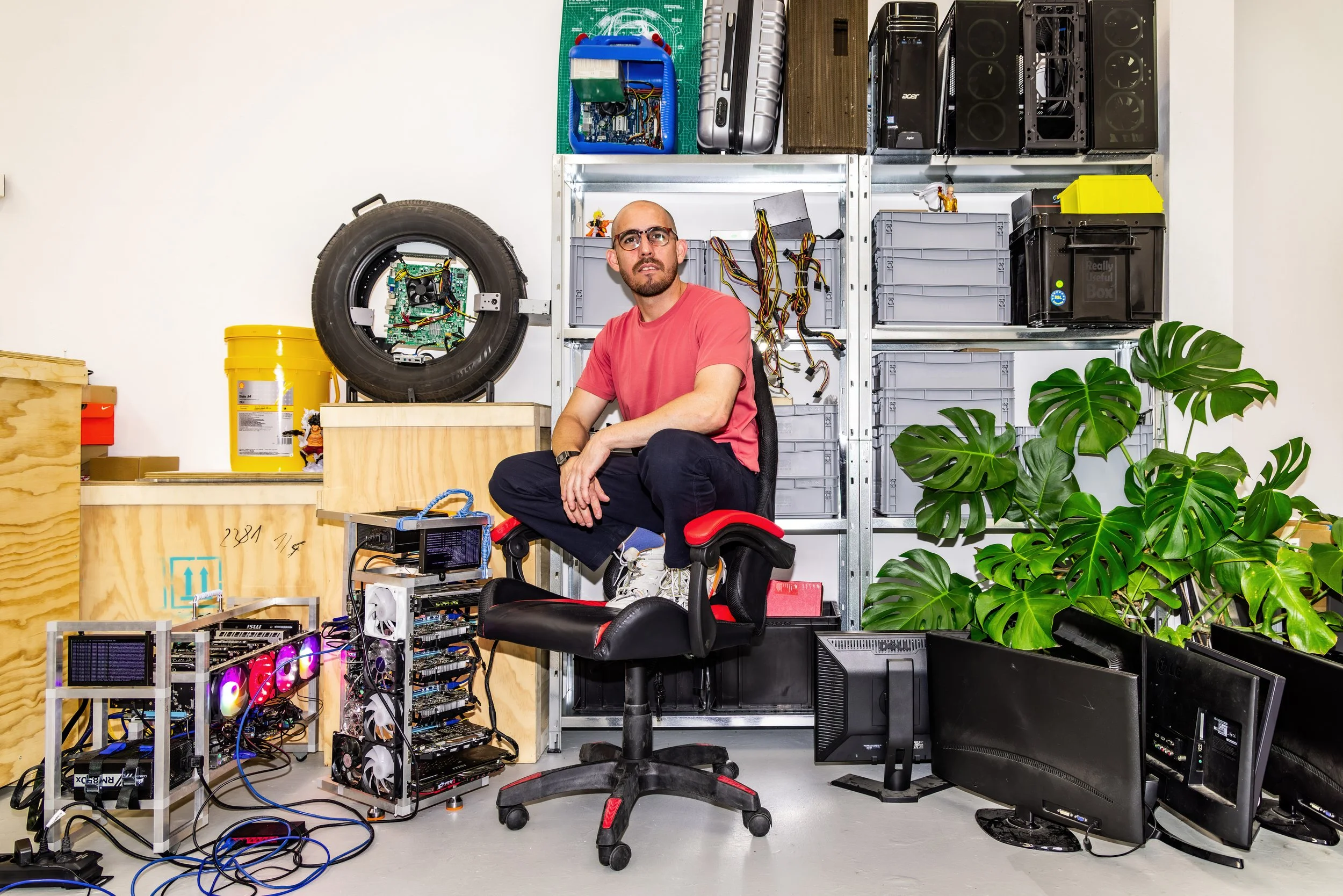
Driven by curiosity and built on purpose, this is where bold thinking meets thoughtful execution. Let’s create something meaningful together.
Nestor Siré is spotlighted in the New Voices series, which highlights emerging artists who showcase their art on ArtConnect.
Nestor Siré is a Cuban multimedia artist whose transdisciplinary research examines how technology both shapes and is shaped by social practices. His work explores the tension between technological devices and the human uses that appropriate, modify, and reinvent them, giving rise to informal infrastructures and vernacular forms of innovation. His work has been presented at institutions including Queens Museum, SeMA Bunker, Hartwig Art Foundation, Ars Electronica, and Transmediale, and at the Biennials of Havana, Gwangju, and Curitiba. He is currently an artist in residence at the Rijksakademie van beeldende kunsten (2024–2026).
Curious to gain more insight into his artistic approach, we asked Nestor a few questions about his practice.
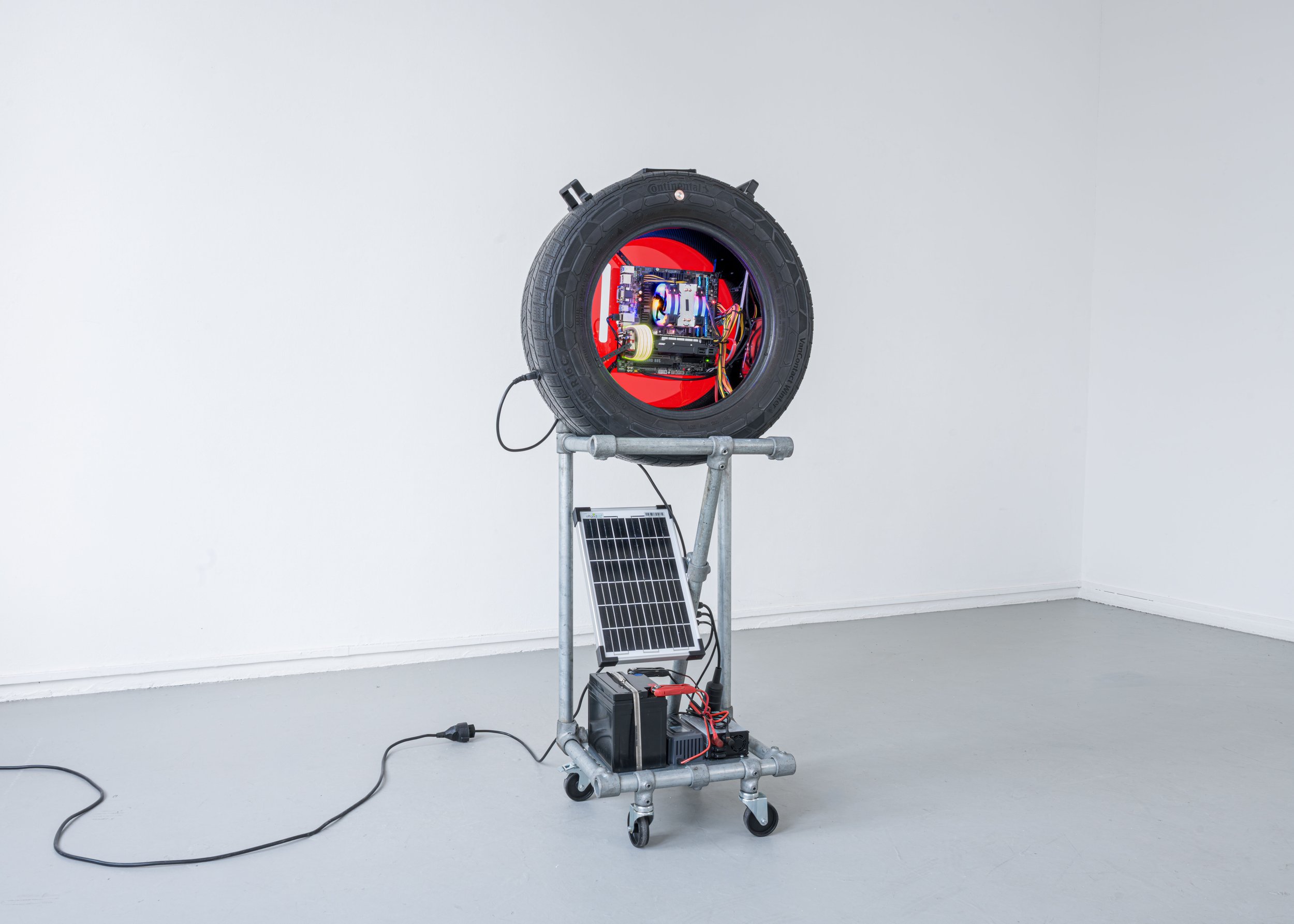
Black Bear, 2021
Central to your research is a probing of how technological infrastructures shape — and are shaped by — everyday social life. Where was this seed first planted? Can you recall an early experience that made you question the role of technological infractures in your own life?
My curiosity has always been closer to social practices and to the capacity to appropriate, modify, and reinvent technology than to a fascination with technology itself. My earliest experiences with technological infrastructures were shaped by a reality in which access depended far more on people and networks of trust than on the technology itself. It was not until I was 21 that I was able to browse the internet for the first time, through one of the so-called Casas de Conexión (Connection Houses), clandestine spaces that could only be accessed if someone who was already part of that community introduced you. From the very beginning, I understood that, in Cuba, access to technology depended less on technical infrastructure than on trust, collaboration, and the human networks that made it possible to function. That experience ultimately defined my interest in studying the social forms that emerge around technologies that are limited, adapted, or reinvented by their own users.
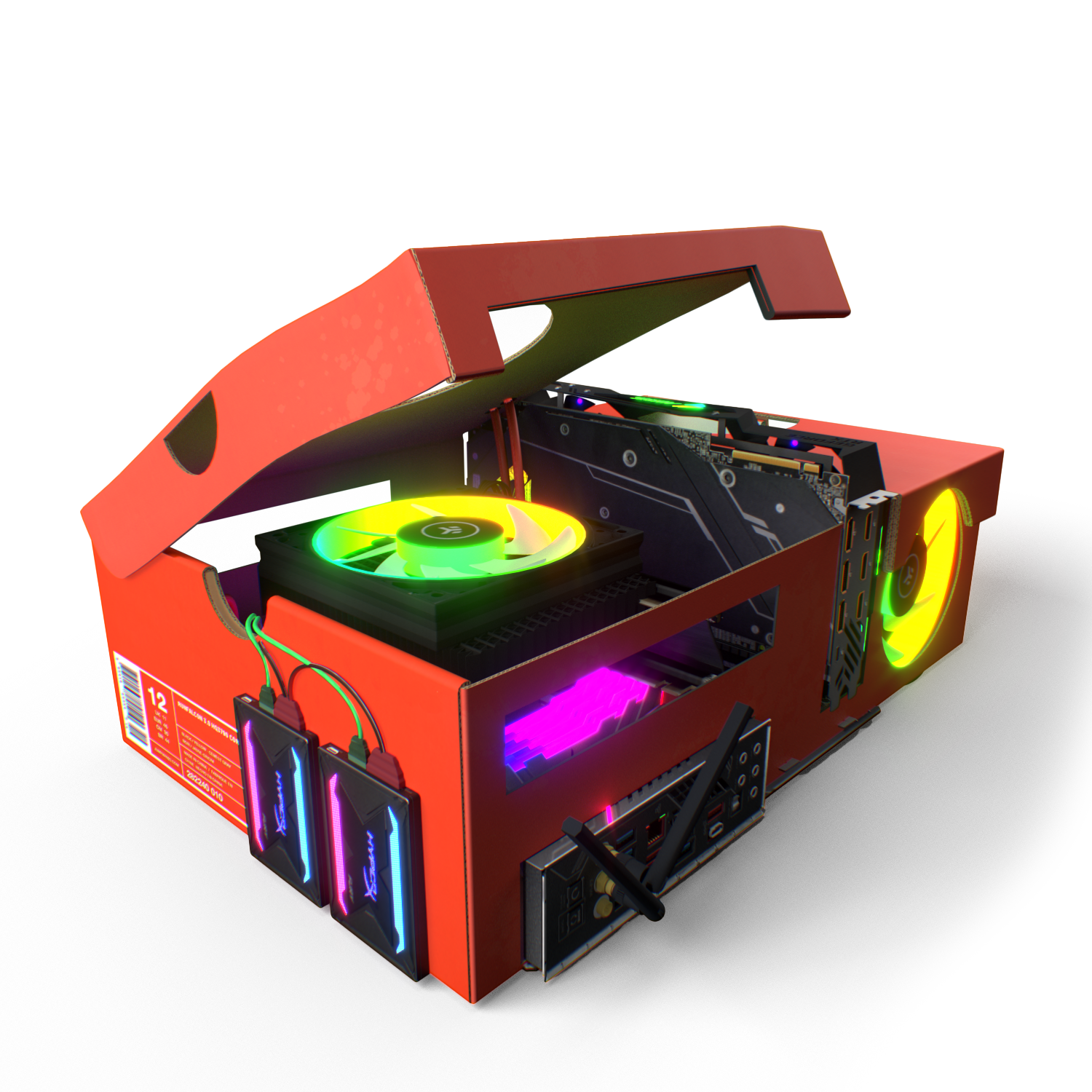
Shipment, 2022
The particularities of Cuban digital culture is a central axis of my practice. Cuba is almost absent from global narratives about technology, and when it does appear, it is usually through oversimplified accounts. Yet Cuba's recent history offers a unique perspective for understanding how independent, local digital ecosystems are built under conditions of scarcity. Although the island established its first official internet connection in 1996, access for the general population remained virtually nonexistent until 2013, when the first public internet access centers began to open. In 2015, the first public Wi-Fi parks were introduced, and it was not until 2018 that Cubans gained access to mobile internet for the first time.
Since then, I have continued to explore this space of friction where technologies transform social dynamics while, at the same time, communities adapt, hack, and reinvent them according to their own needs. I am interested in this territory because it shifts attention away from the major centers of innovation and makes it possible to recognize forms of technological knowledge and imagination that emerge from peripheral contexts and very different conditions.
These gaps created fertile ground for local alternatives. This gave rise to domestic micro-infrastructures that functioned as alternative networks for distributing entertainment media. In the 1970s, my maternal grandfather, in search of extra income, ran a clandestine lending library of romance novels by authors such as Corín Tellado. It was, in essence, a proto-entertainment network built on trust between neighbors. During my childhood and adolescence, that same logic evolved into a VHS movie rental library and, later, a DVD library. After school, I helped him make copies of films and TV series from disc to disc, organize the catalogues, and work as a messenger, delivering and collecting discs from customers. We lived in a small town that was quite disconnected from the provincial capital, so accessing any form of entertainment required inventiveness, negotiation, and a network of personal relationships.
Looking back, those family practices were my first encounter with an unofficial technological infrastructure—handmade and sustained through collaboration and necessity. Without romanticizing precarity, I now understand that these parallel systems were not simply substitutes for what was missing, but responses carefully adapted to local conditions that revealed that technology is not merely a collection of devices, but a social fabric that reorganizes itself, adapts, and finds its own ways of sustaining cultural circulation when formal infrastructure falls short. This background profoundly shaped the way I understand new media art and led me to become interested in how, in contexts where infrastructure fails or proves insufficient, forms of technological imagination emerge that disobey the instruction manual and rewrite the rules of access.
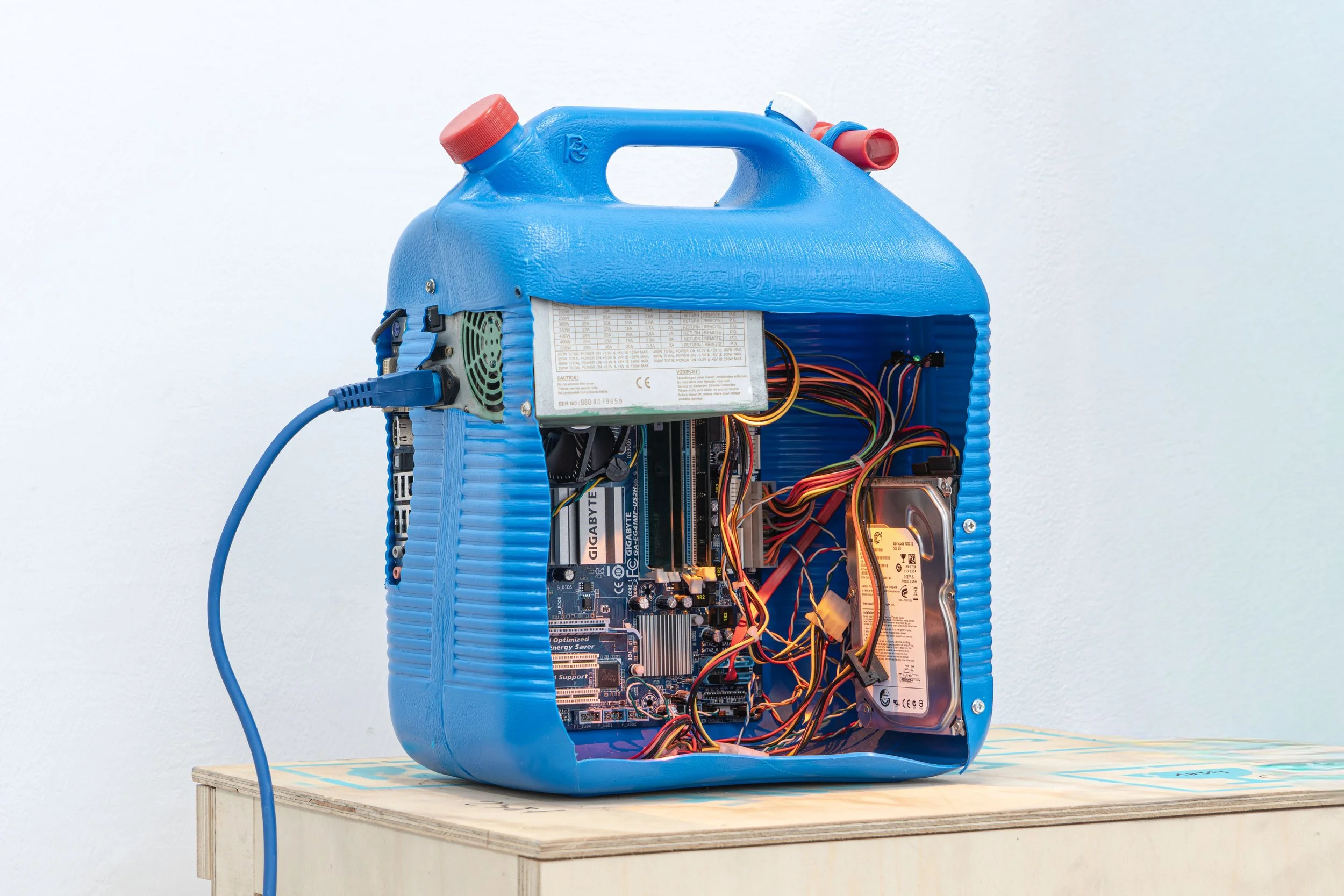
Tell us about your project PC Gamer — and how it has evolved as it has travelled from Cuba to Amsterdam? The work seems to raise a persistent question about legitimacy: who gets to define what counts as "proper" technology, and by what standards? How is that provocation questioned in the work?
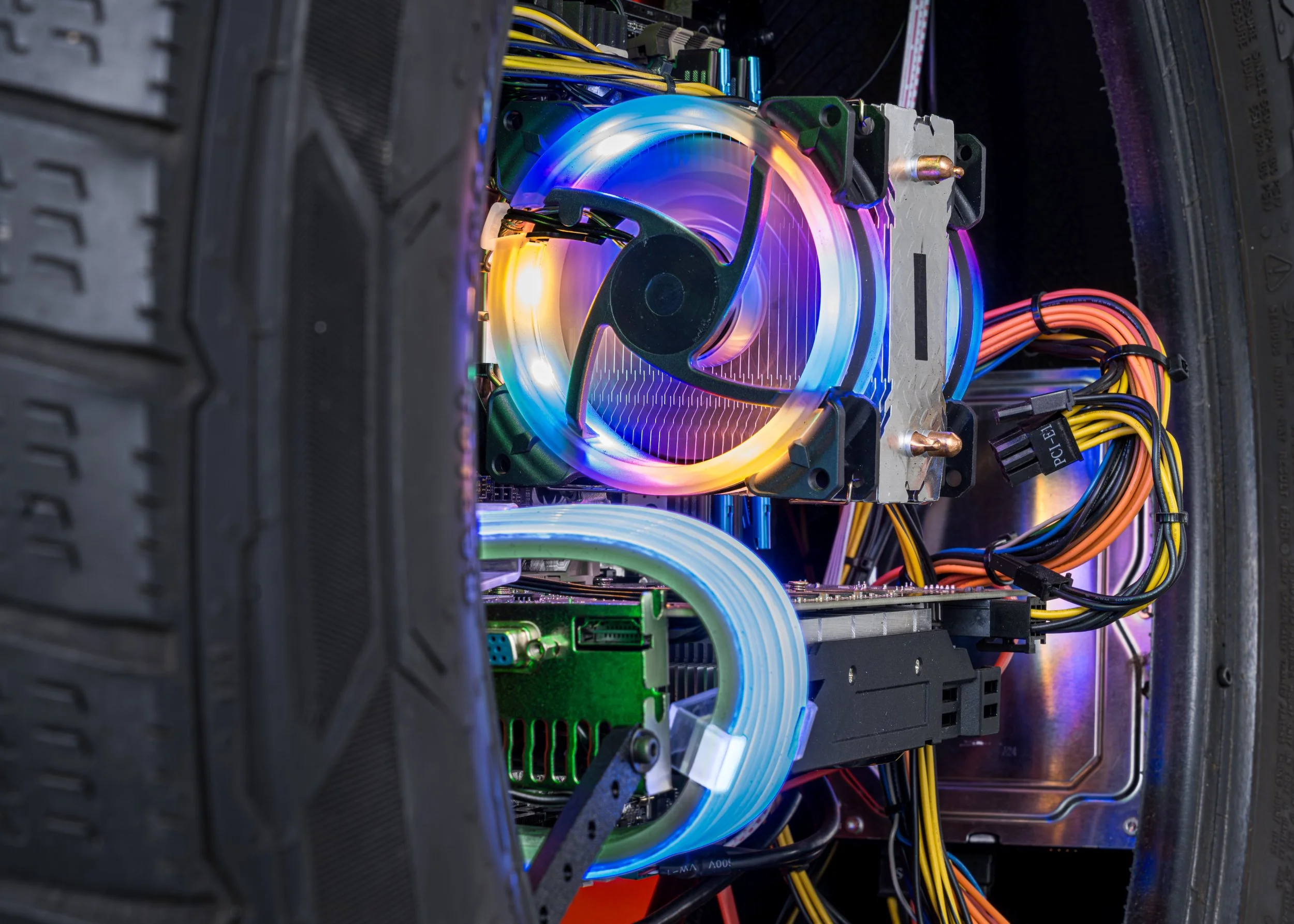
PC Gamer is a subseries within CubaCreativa, a project I have been developing since 2014. This section, centered on gaming communities, emerged during the COVID-19 lockdown. Confined at home and with a bit more time, coinciding with the expansion of internet access in Cuba, I not only became involved in competitive gaming clans across Central America and the Caribbean, but also began documenting and archiving ingenious gamer solutions that turned limitation into a driver of creativity. I developed the first prototype of the series during a residency in Mexico, the second during my residency at TOKAS in Japan, and I am currently continuing to expand the project in Amsterdam. Each city has contributed its own material and symbolic conditions, transforming the work without diverting it from its core. The premise that the Cuban context made evident remains central: under conditions of scarcity, hardware is never a fixed object but rather a permanent field of reinvention. That experience, forged through everyday life in Cuba, travels with the works and challenges dominant ideas about how technology should look, be built, and be used.
This series also emerges from my own experience as a gamer. I am part of these transnational communities and share a culture in which modifying hardware is not only a response to a lack of resources but also a desire to personalize the machine and turn it into an extension of one's identity. Gaming culture is perhaps one of the few cultures that organically modifies technologies produced by industry. Gaming computers are designed to be altered: swapping parts, optimizing components, and personalizing the machine are central to the experience and to what it means to be a gamer. This culture of modification transforms the computer into an extension of the player; a tangible expression of their aesthetic taste, economic circumstances, and access to the means of production. Every gaming chassis ultimately becomes a unique object that materializes both a physical and a digital identity.
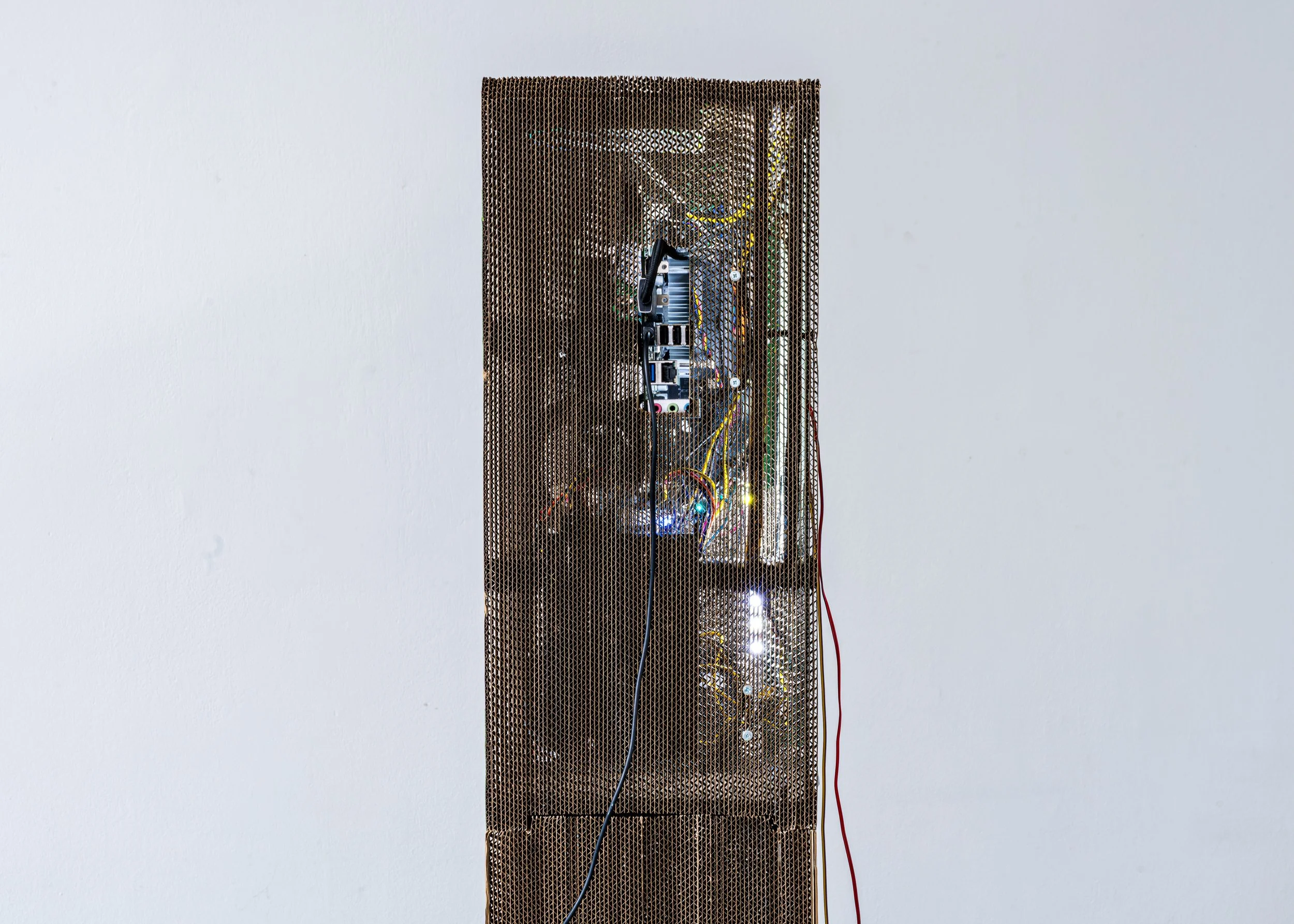
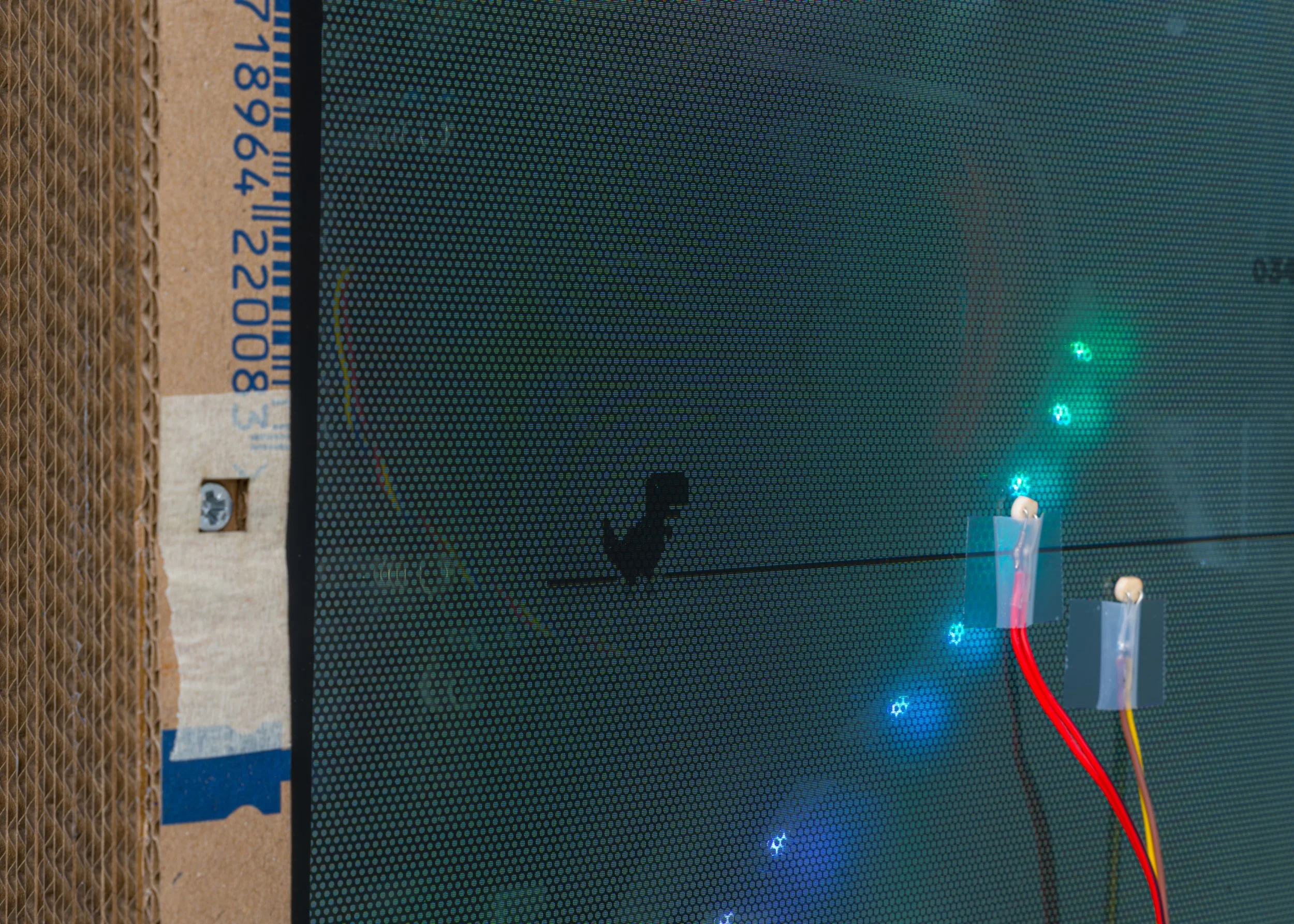
“Every gaming chassis ultimately becomes a unique object that materializes both a physical and a digital identity.”
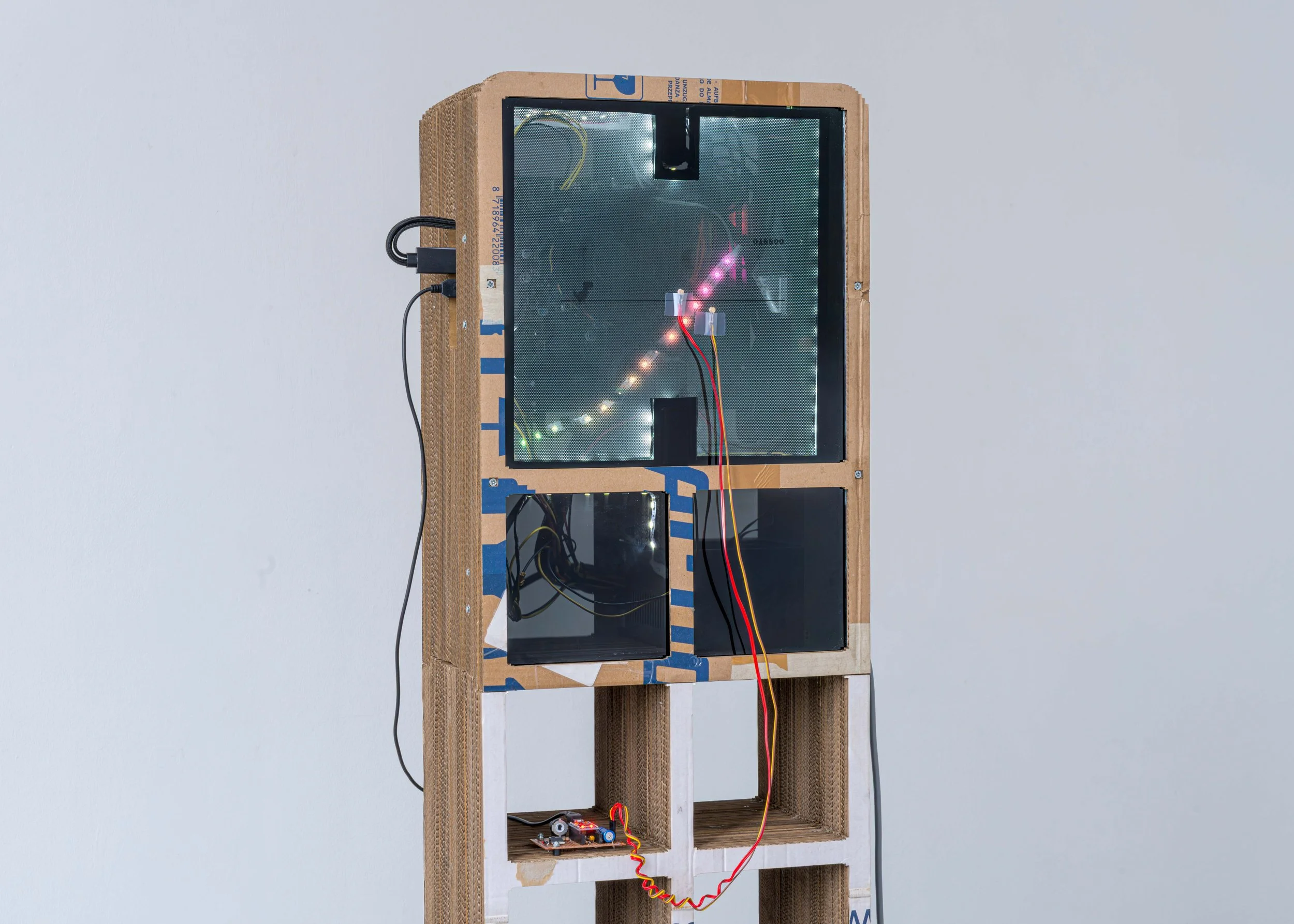
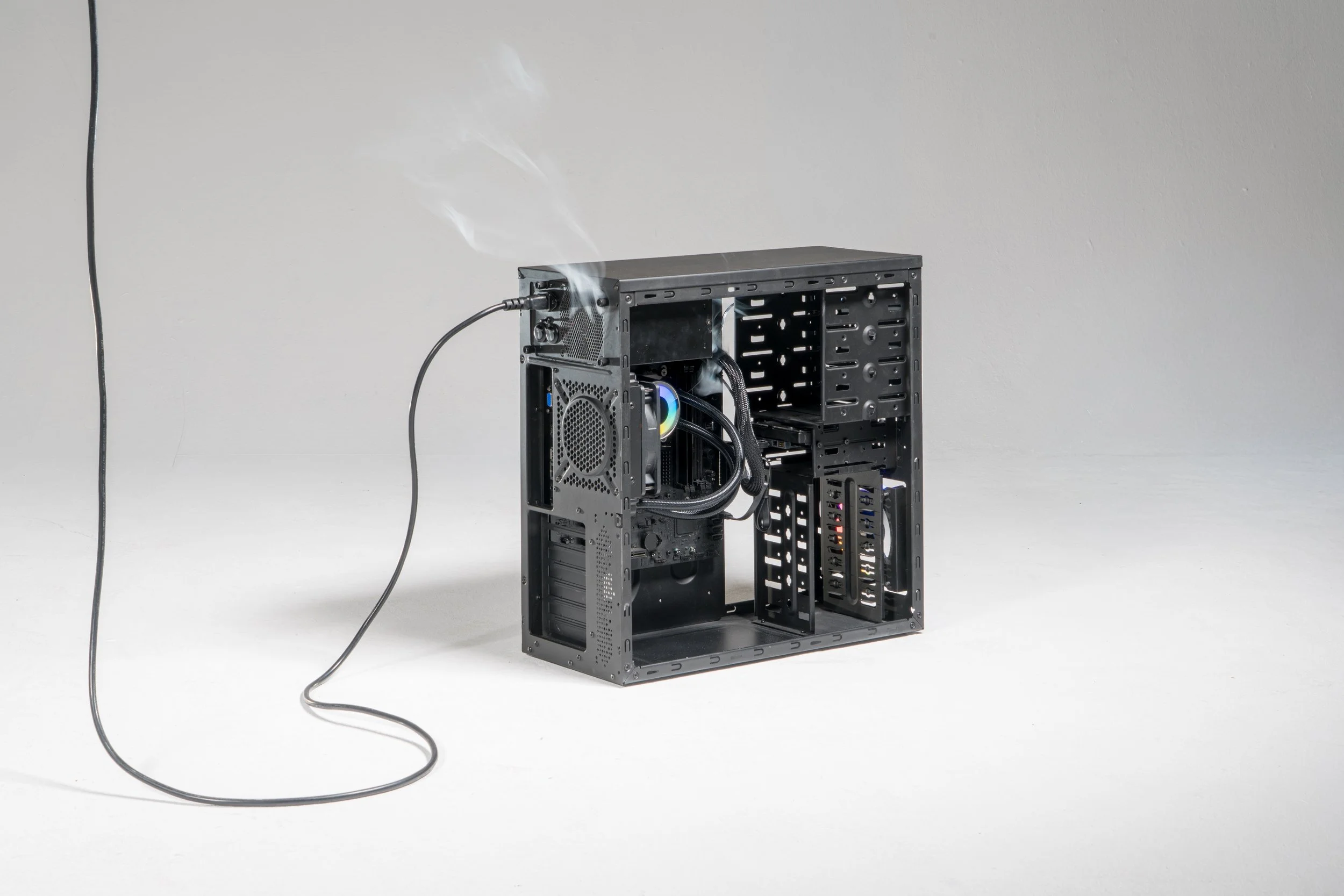
In the PC Gamer series, I have built fully functional computer chassis from unlikely materials: tires, plastic water containers, corrugated cardboard, shoeboxes, suitcases, and gasoline containers. The choice of these materials responds not only to their availability but also to their specific technical properties. Take the tire, for example: it provides thermal insulation, structural strength, and vibration absorption, making it an optimal solution for protecting sensitive electronic components. But reducing this piece to its functionality would overlook its conceptual power. In Cuban culture, the tire carries a long history of reinterpretation—from its use as the sole of handmade shoes to its transformation into rafts used by thousands of people to migrate to the United States—making it a symbol of adaptability. By transforming it into a computer chassis, the work documents an ingenious technical solution while simultaneously constructing a material metaphor for technological resilience. The same principle applies to the rest of the works in the series, each with its own materiality and symbolic charge.
The work does not attempt to answer these questions through discourse, but through the object itself. Each computer is fully functional, yet it is built from materials and forms that the technological imaginary would consider improper or inadequate. This contradiction compels the viewer to ask whether what they are judging is the technical capability of the object or the cultural image they hold of technology. At the same time, the series questions the aesthetic and industrial standardization through which technological devices are designed and consumed today—a model conceived for a global market that often ignores the material, cultural, and economic conditions of each context. I am interested in examining this tension from both a technical and an identity-based perspective: understanding technology not as a universal and finished object, but as an artifact that every community adapts, modifies, and resignifies according to its own needs. In this sense, the works function simultaneously as functional objects, social documents, and sculptures, using hardware as a vehicle for reflecting on the material conditions that make other forms of technological innovation possible.
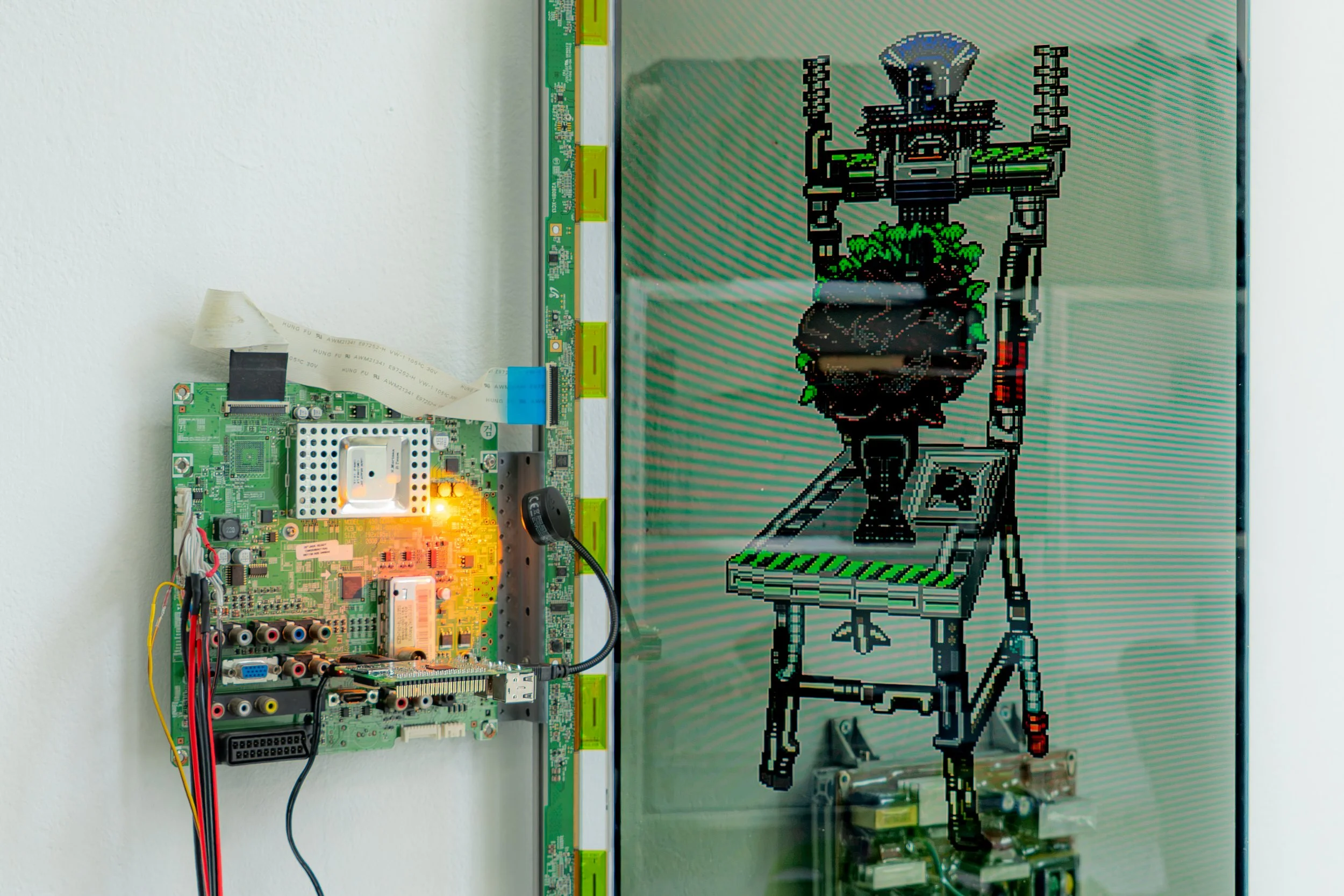
Coyote, 2021
You’ve mentioned that you’re interested in how creativity emerges under constraint, particularly on a systemic or macro level. But on a more personal level, do you impose constraints on yourself as a way of working?
To answer your question, I begin with a fundamental premise: in my personal practice, I avoid the term “constraint” because it suggests a limit imposed from the outside. Although, to be honest, the context and the economic conditions of everyday life already impose more than enough limits on us; we already have plenty to deal with. That is why I prefer to speak of sine qua non conditions—that is, requirements that are inseparable from the very nature of the work itself. These conditions have shaped the way I understand artistic production and my role as an artist. Very often, my work is not about finding the perfect color of cable for a piece, but about having a clear understanding of what I want the work to say or represent. Aesthetics do not appear as a starting point, but as the outcome of a negotiation between what I want to express and the material reality with which I work.
Likewise, over time one develops methodologies that gradually become part of one's creative process. One of these non-negotiable conditions is working with second-hand resources, whether software, hardware, or materials. I am also drawn to objects that have already had a previous life. This is not driven by an ethical position, but by the need to understand technology from within by establishing a direct dialogue with the object itself. That leads me to search for them wherever I can: in Tokyo, I wandered through the shops of Akihabara and BOOKOFF; in Amsterdam, I browse Marktplaats and even search through household waste. Chance and availability are also part of the creative process. I am not interested in engaging with technology passively; I need to modify it, adapt it, and understand how it works in order for the work to exist.
Closely related to this is my fascination with materials that belong to the everyday environment. A very clear example is cardboard on the streets of Amsterdam. It is on every corner, beside every container; once a week it becomes part of the city's rhythm. Using it is not a forced aesthetic choice, but a way of anchoring the work to the place where I live. That said, fulfilling these premises one hundred percent is almost utopian; sometimes a work requires a consistency that found material simply cannot provide. Even so, the golden rule is always to try.
In the end, this methodology does not feel like a constraint, but rather like an open door to experimentation. Working with accessible, non-standardized materials forces me to understand their properties, accept their shortcomings, and discover unexpected possibilities. Every work becomes a laboratory: I test, combine, and push the limits of what a material can do, and very often failure teaches me more than success. This interest in the material condition of the artwork began during my residency in Tokyo and became firmly established at the Rijksakademie thanks to access to its specialized workshops. So, to return to your original question, rather than imposing constraints on myself, I think what I am really doing is giving myself a freedom that I have rarely allowed myself before.
“Every work becomes a laboratory: I test, combine, and push the limits of what a material can do, and very often failure teaches me more than success.”
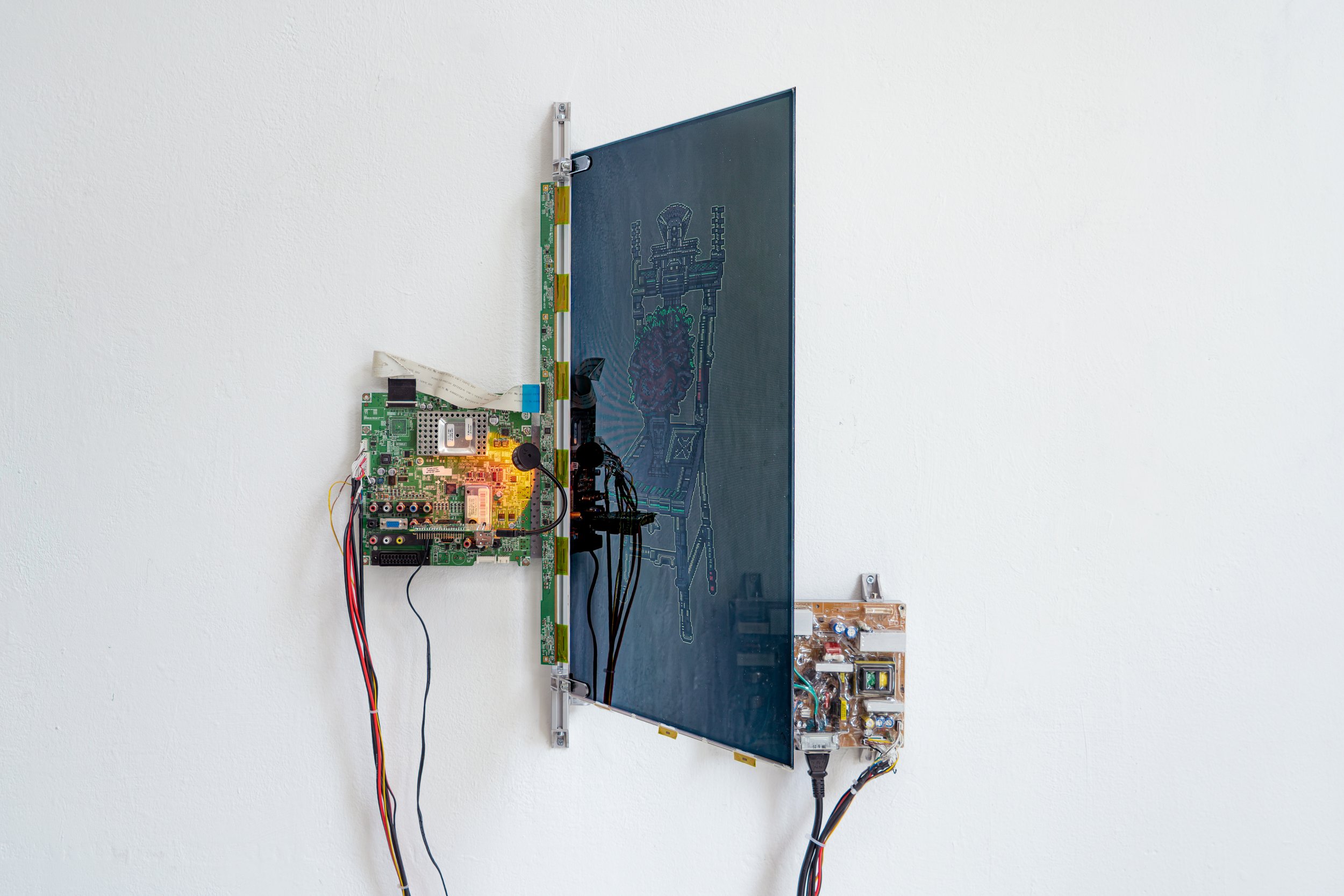
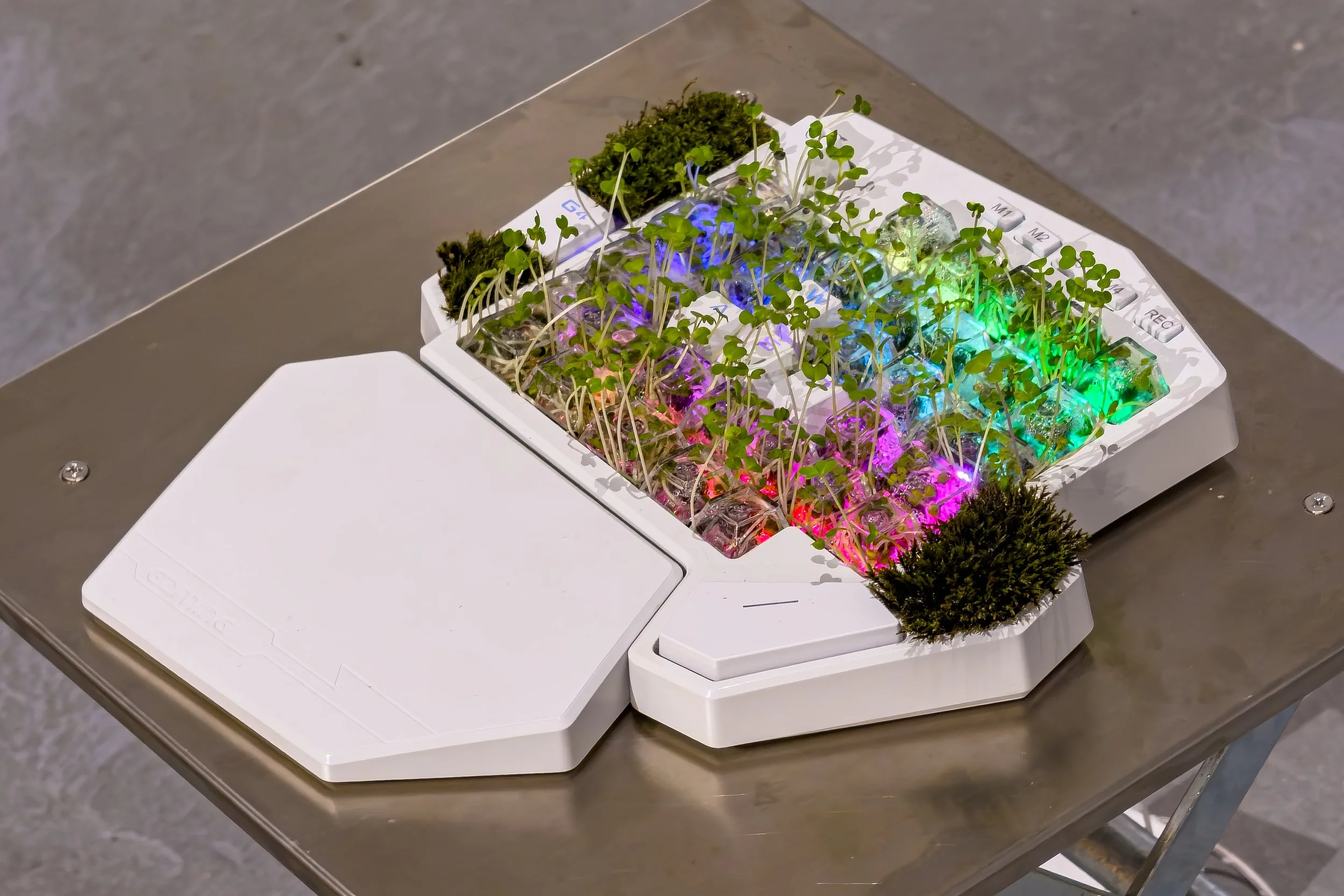
Ocean Rotation, 2024. Transition, 2023. Float, 2025. Untitled, 2023.
Since 2024, you have been a resident at the Rijksakademie van beeldende kunsten (Netherlands), what have you been developing during this time?
During my residency at the Rijksakademie, I have been expanding several lines of research that I had already been developing, while pushing them toward a much more material exploration of technology. Much of this process has consisted of understanding technological objects not only as functional tools, but also as containers of memory, identity, and shared knowledge.
This way of working is reflected in several of the pieces I am currently developing. Among them are three new PC Gamer works assembled from everyday objects: a shoebox, a carry-on suitcase, and a large water dispenser bottle, which function as housings and containers for the electronic components. These works continue to investigate how seemingly improvised technologies can challenge the standardized models through which we imagine hardware and innovation.
At the same time, I am developing a new version of Unframed Window, a more ambitious installation than the one I presented in 2024 during my final exhibition at TOKAS Hongo. The work is based on a hardware modification technique developed by PC gaming communities that repurpose discarded LCD monitors into transparent displays. I am interested in understanding this hack not only as a low-cost technical solution, but also as a form of vernacular innovation grounded in shared knowledge. The installation brings this logic into the exhibition space and uses the transparent screen as a metaphor for the overlap between two imaginaries that have shaped my artistic education: the history of art and the visual culture of video games.
I come from a context where artistic education begins very early, almost always through painting, before moving toward more experimental media. Although I never particularly enjoyed painting during art school, I recognize the profound influence that artists such as Wifredo Lam, Fidelio Ponce, and Servando Cabrera had on me. At the same time, one of my earliest visual languages was video games. Contra (1988) was one of the first console games I played as a child. During the 1990s, in the midst of the severe economic crisis the country was experiencing, owning a game console at home was a luxury that very few people could afford. As a result, consoles were rented by the hour, and every gaming session became an event. Today, I am interested in constructing a visual language in which these two imaginaries can coexist without either one dominating the other.
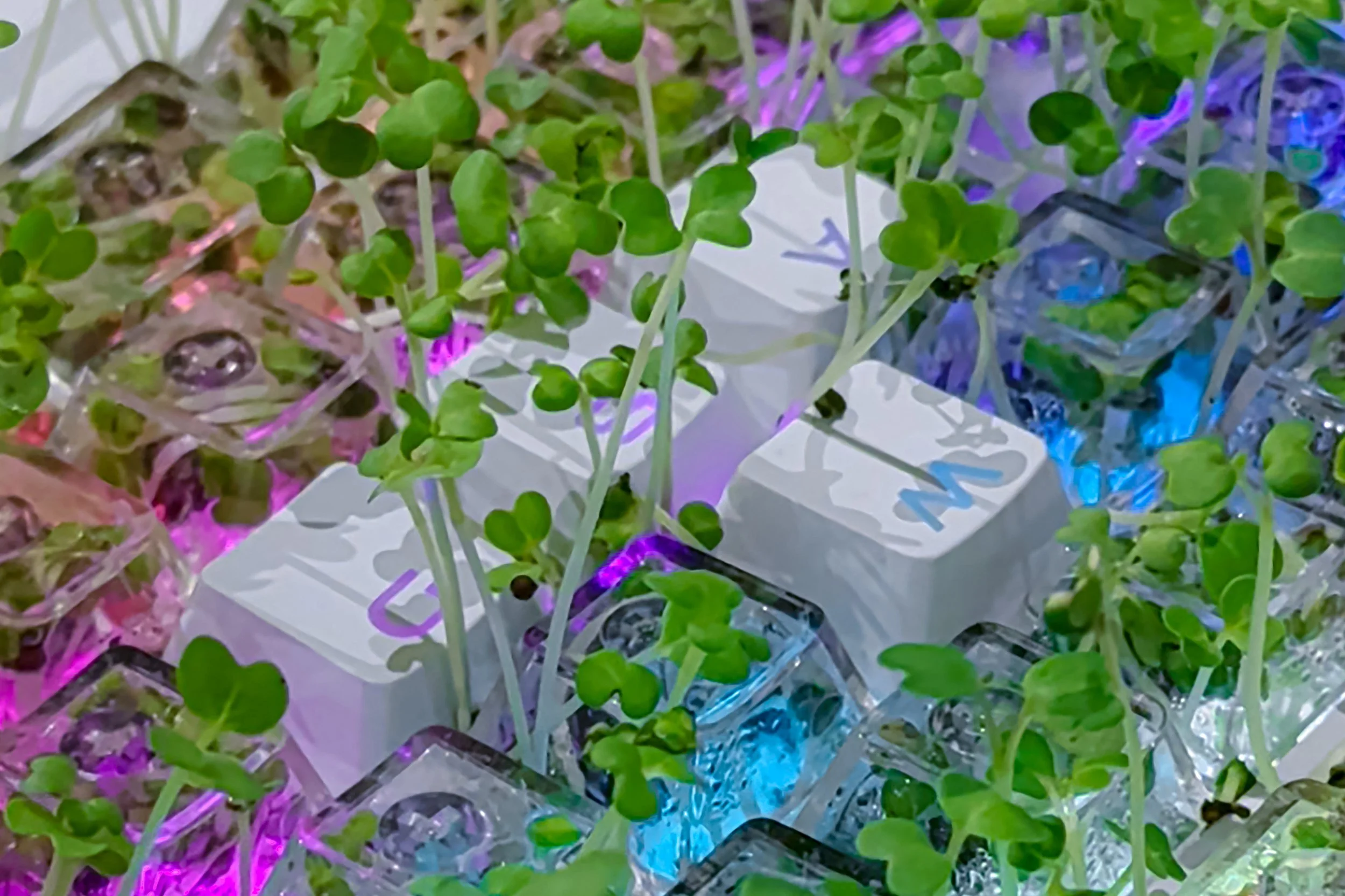
Another line of research that I have begun to develop during this period investigates the role of memes within gaming communities as forms of collective memory and cultural production. Works such as But Can It Run Crysis? and Go Touch Some Grass… take images that constantly circulate through forums, tutorials, benchmark videos, and social media, and translate them into the sculptural space. I am interested in understanding these memes not as simple internet jokes, but as small vernacular archives that condense technological aspirations, frustrations, forms of humor, and bodies of knowledge shared by millions of players.
All of these investigations stem from the same question: how communities produce technological knowledge outside official channels of innovation, and how these processes ultimately generate new aesthetics, objects, and imaginaries. All of these works will be presented during the Rijksakademie Open Studios in November 2026, marking a stage in which I feel my practice has expanded into territories that I had rarely allowed myself to explore before.
New Voices highlights emerging artists who showcase their unique perspectives and innovative techniques on ArtConnect. Applications are accepted on a rolling basis. If you would like to be featured in a personal interview on ArtConnect Magazine, read through the open call and apply here.