Where am I going wrong? How to write grant applications jurors can’t ignore
Writing grants can be an arduous and unrewarding process. Sometimes it feels like screaming into a void — no feedback, no idea where you’re going wrong or how you can turn your luck around.
While we can’t write a knockout flawless grant application for you, we can help identify some key mistakes in grant writing to help increase your chances at success in the future.
Don’t underestimate the first paragraph
It’s often said that most grants fail in the first paragraph. If you haven’t clearly and convincingly expressed to the jury what you make, why your work matters, and why you, in particular, deserve this opportunity, then BOOM — on to the next application.
This first paragraph is your elevator pitch — your five seconds to make your case. If you lose the reader there, you won’t ever get them back.
So what are you doing wrong?
When it comes to writing about their work, most artists undersell themselves. But grant writing is not a time to downplay what you do. Genuinely ask yourself: why do you deserve this opportunity? What is special about what you are doing? How does your work speak directly to this opportunity?
Write this opening paragraph over and over again. Could you be more engaging? More persuasive? More evocative? Expressing yourself perfectly in only a few words is an essential grant writing skill. Every. word. counts.
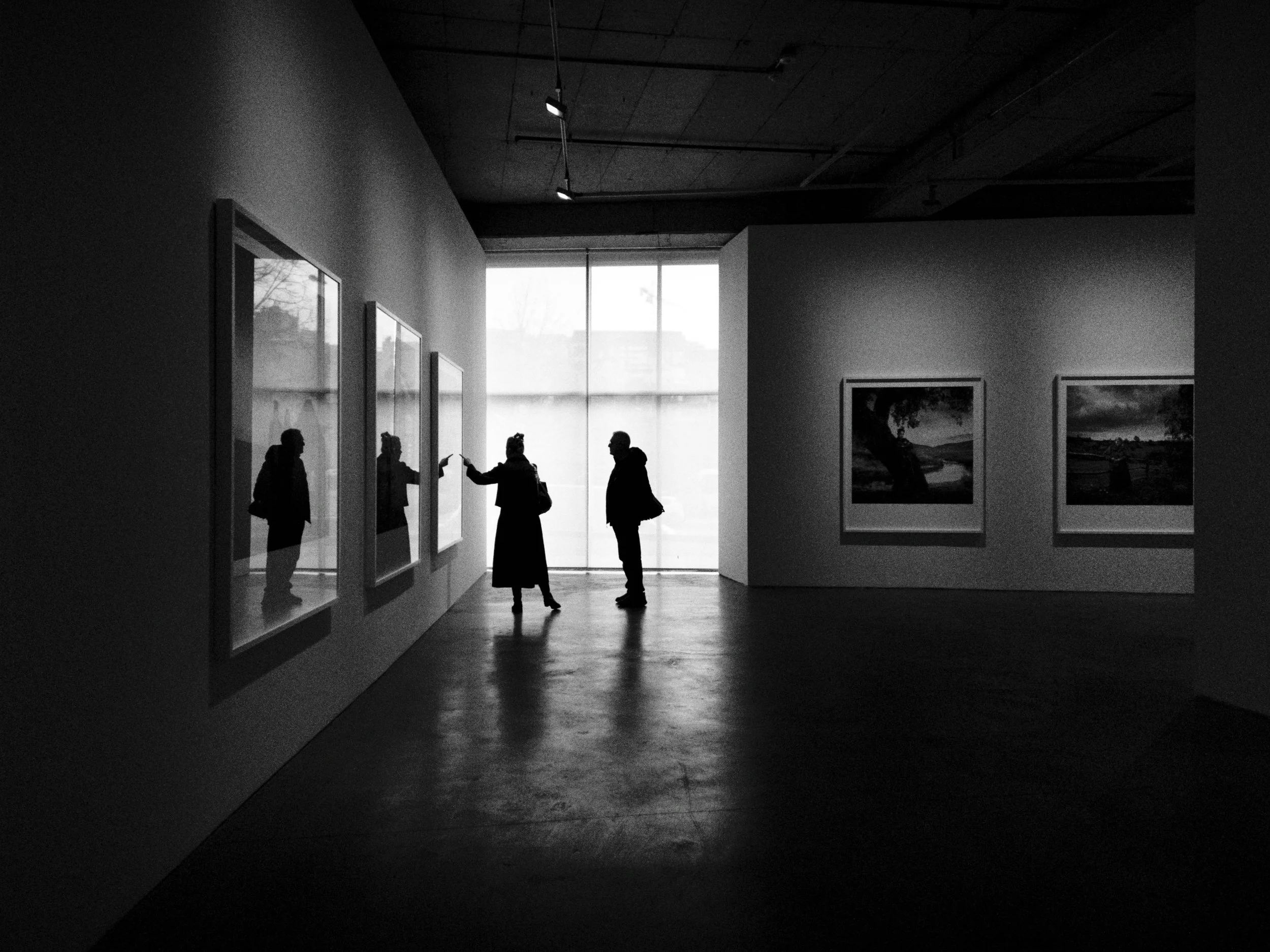
Photo: Emir Bozkurt
Outcome, outcome, outcome
In most cases, your opening paragraph shouldn’t be an in-depth explanation of your process, but should instead focus on the outcome of your work. Who’s it for? What’s the point? What will exist when the grant period ends?
Name the outcome of your project in one sentence. It should be clear and undeniably valuable.
Remember your audience
Grants are persuasive writing, not art criticism. Now is not the time to muddle your message with fancy jargon or an urge to over-intellectualize what it is you’re doing. You are not writing about your art to impress a fancy curator. What panelists care about is impact, specificity, and clarity.
It helps to imagine yourself sitting on the jury and reading hundreds of applications. What can spike a juror’s interest? How can you break the monotony of a seemingly endless loop of project ideas and cut through all the noise? Make your application a moment of respite for the reader.
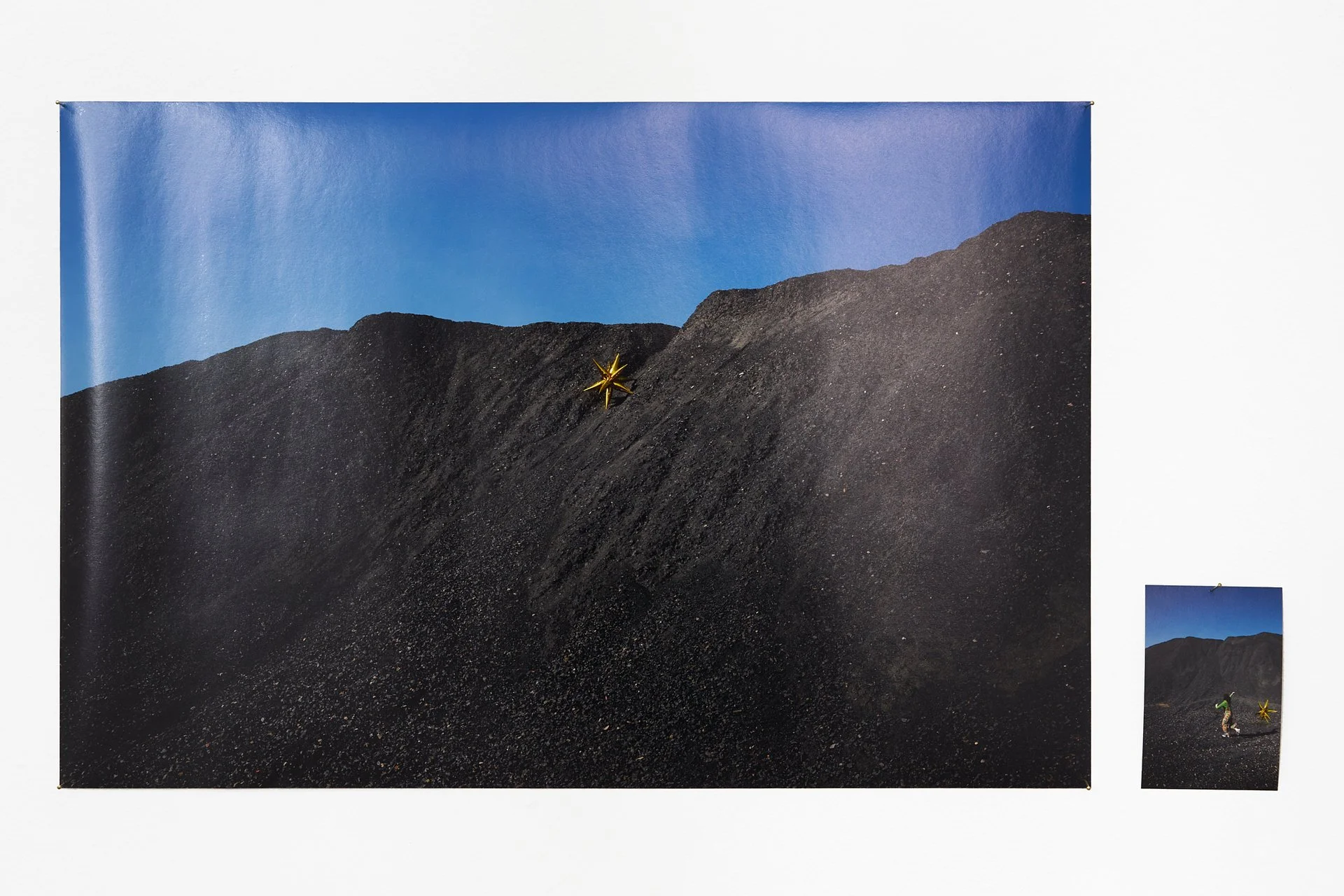
Photo: Karolina Wojtas & Maciek Cholewa
Never skim over the application requirements
Ever missed out on a grant because the project description you uploaded was six pages long instead of five? Well, when you do, rest assured that you will never make that kind of mistake again.
Don’t throw hours of hard work down the drain by brushing over the fine print. In many cases, funding bodies actually rely on enough people to make these minor mistakes in order to disqualify applications over technicalities. Don’t fall into the trap.
Print out the application instructions, pull out your highlighter, and read through everything with eagle eyes. Something doesn’t make sense? Call up and ask. Spend an extra hour here, or you risk all your hours of work being wasted.
Anything else I can do to find success?
Try again, and again, and again. Grant applications are a numbers game, and you have to be in it to win it. If you’re struggling to find suitable grants, there is no shortage of excellent opportunities on ArtConnect.com.
And if you need more support, check out our Resources, which are there to guide you throughout the process.
Other resources you might find helpful: