Organizing Your Own Exhibition as an Emerging Artist
If you are an emerging artist, organizing your own exhibition is a powerful way to showcase your work, build your reputation, and connect with audiences. While it may seem daunting, careful planning can lead to a successful exhibition that opens doors for your career.
Here are some tips to help you organize your own exhibition in 2026:
Set a Goal and Develop a Strong Concept
Before you start planning your exhibition, it's important to have a clear idea of what you want to accomplish and communicate to your audience. What is the goal of your exhibition?
Are you trying to showcase a specific body of work, or are you looking to experiment with a new medium or style?
Are you exploring a particular idea or concept?
Try writing down a concise synopsis of your ideas and what you hope to achieve with your exhibition. When you read it back, ask yourself: Are my ideas being clearly communicated? Would this make sense to someone who doesn’t know my work as well as I do?
Don’t be afraid to reach out to peers for feedback to make sure your concept is crystal clear.
Break down the tasks
Creating a clear timeline of what needs to be done, and by when, will allow for smooth execution. Beyond making the work itself, consider the following steps:
Working with a new space: liaising with the team, conducting site visits, drafting a floor plan.
Marketing plan: poster design, writing exhibition text, reaching out to media, distributing postcards/posters, listing the show on relevant websites, promoting on social media.
Installation & logistics: transporting artworks, gathering required installation materials, installing each work, packing down after the exhibition.
Documentation: photo and video documentation, sharing imagery through social media/your website.
Create a table or spreadsheet to list all relevant tasks along with their deadlines. Space each task out evenly to avoid getting overwhelmed. If you break it all down, its an achievable amount of work for a few weeks!
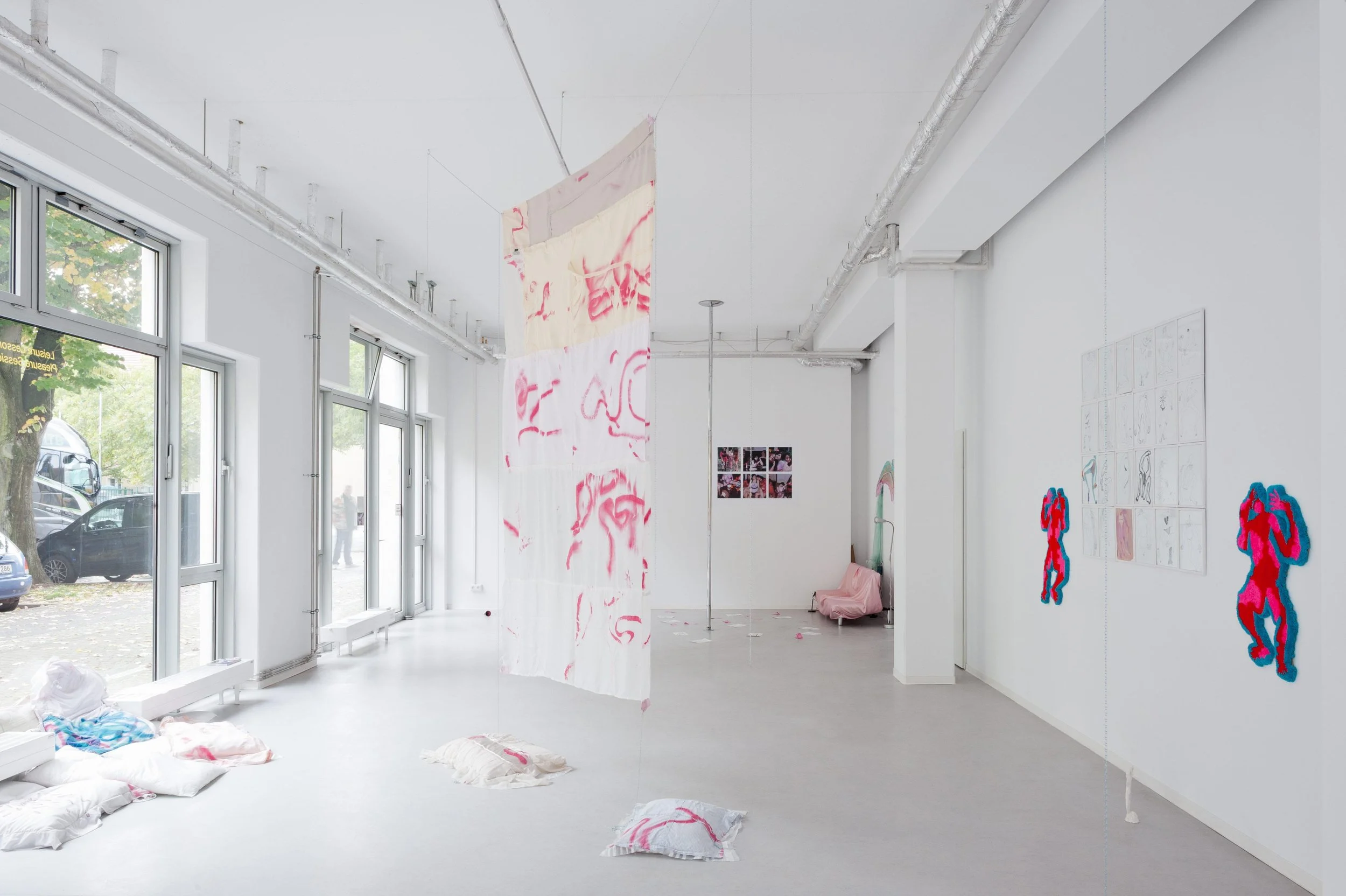
Leisure Lessons, Pleasure Sessions at Neun Kelche. Image: Dorothea Dittrich.
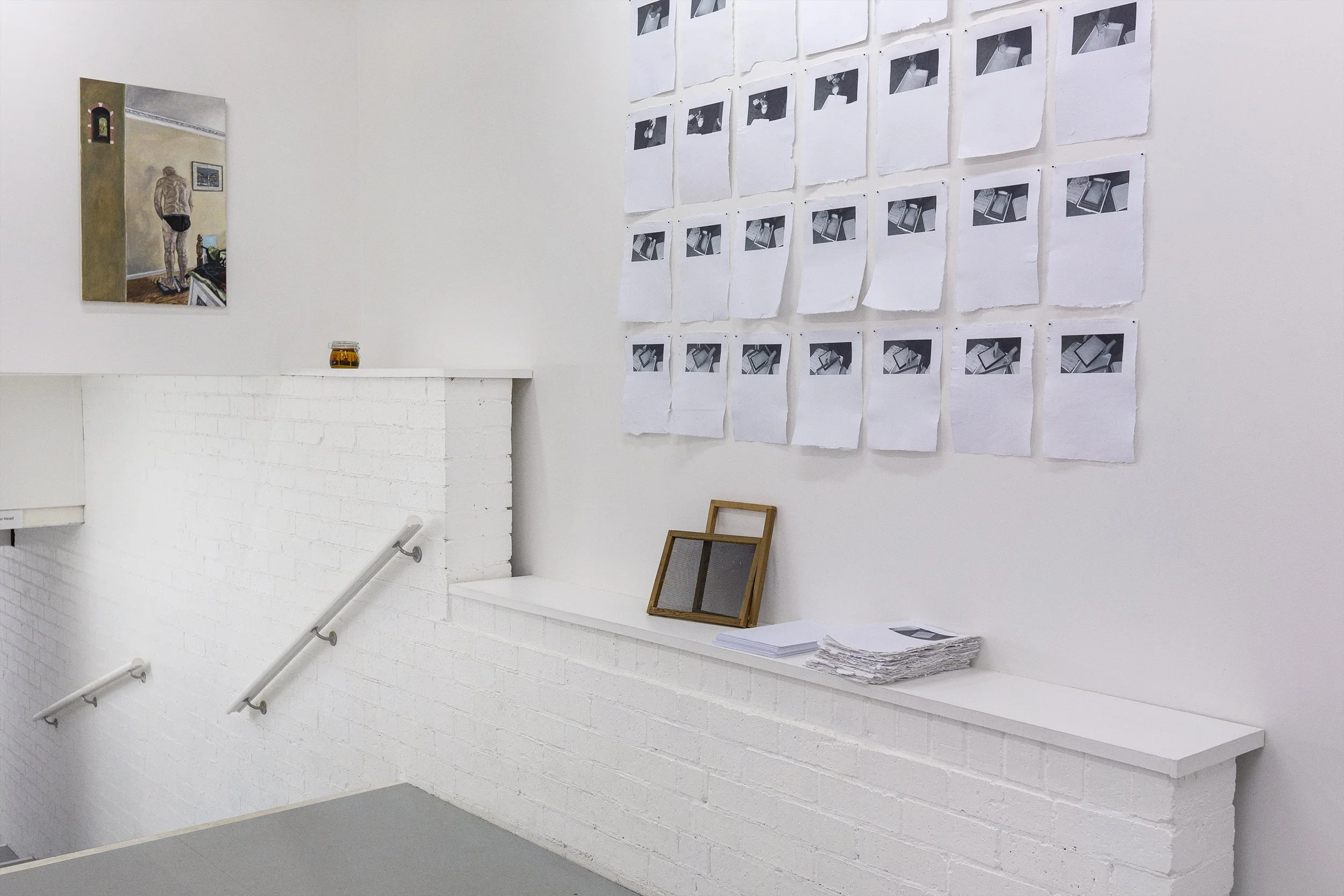
Image: AIRSpace Projects
What’s your budget?
Now you know what needs to be done, the next step is to find out how much it will all cost. Here are some common expenses to consider:
Space rental
Artwork materials and framing
Marketing (digital and physical)
Documentation
Factor in sustainable practices, such as renting materials, using recycled supplies, or partnering with eco-conscious vendors, to minimize your environmental footprint. Include a contingency fund for unexpected expenses to avoid last-minute stress.
Identify a space and secure funding
Explore venue options that align with your exhibition concept:
Traditional galleries
Unconventional spaces (e.g., public parks, pop-ups, coworking spaces, other local businesses)
Virtual platforms for hybrid or fully online exhibitions
Funding opportunities include grants, crowdfunding, sponsorships, or personal investment. Many artists in 2026 are leveraging social media platforms to share behind-the-scenes content and attract funding through community support.
Promote your exhibition
Promoting your show is more dynamic than ever in 2026. Use these tools to leverage your network and maximize your reach:
Social Media: Share behind-the-scenes updates, create event pages, and post engaging content to platforms like Instagram, TikTok, and LinkedIn. Collaborate with influencers to generate buzz and reach wider audiences.
Digital Marketing: Develop an email campaign targeting collectors, curators, and galleries.
Local Media: Reach out to online publications and cultural platforms in your area to explore opportunities to promote your exhibition.
Personal invitations: Send personalised invitations to colleagues, peers, and contacts across your wider community. Going the extra mile with a personal message can make a huge difference to both visibility and relationship-building.
Flyers & Posters: Distribute flyers amoung local cafes, bars, art galleries, and other community spaces. Posters can also be a great tool for sharing your work around your local area.
Celebrate your journey!
Document your progress and reflect on the experience. Seeing your idea transform into a full-fledged exhibition is incredibly rewarding. Engage visitors through artist talks, public programs, workshops or Q&A sessions to deepen connections and share your story.
Organizing your own exhibition as an emerging artist can be both a challenging and rewarding experience. By following these steps, you’ll be able to reach your goal of putting on a successful exhibition and showcasing your work to a wider audience.
Let us tell you from experience: nothing compares to the feeling of seeing how an initial idea can develop into a real life exhibition. Good luck!

Additional resources that you might find interesting: